The gap nobody wants to talk about
Here's the thing nobody says out loud at dinner parties. Some couples go from having regular sex to having no sex at all. Not because they don't love each other. Not because they're not attracted. But because somewhere along the way, the friction (metaphorical and literal) made it easier to just stop.
Maybe it was a rough patch. Maybe kids moved back in. Maybe one person had surgery, or went through depression, or their medication killed their libido, and by the time things theoretically improved, the silence had hardened into routine. Now the idea of initiating feels impossibly vulnerable. One person thinks the other isn't interested. The other person isn't sure they remember how to do this anymore.
For couples in this exact position, lemon vibrators and other clitoral vibrators work differently than they do for solo users or established couples. They're not an accessory to already-hot sex. They're a bridge. A third thing in the room that makes it safer for both people to show up.
Why the gap happens in the first place
There are a few common culprits, and almost all of them are fixable.
Physical rupture without repair. One person experiences pain (endometriosis, pelvic floor tension, post-surgery sensitivity). Sex stops. The pain eventually resolves. But neither person has had the conversation about whether it's safe to try again, so they just don't. The longer you don't do something, the more terrifying the idea becomes.
Shame or failure spirals. This usually starts with someone's body not cooperating. A partner can't get hard, or doesn't orgasm, or takes longer than they used to. Instead of saying "my body changed," they say nothing. The other person interprets nothing as rejection. Both people retreat. Six months in, restarting feels like admitting something went wrong.
Life simply got louder. New jobs, aging parents, financial stress, kids in crisis. Sex isn't the priority anymore. It wasn't supposed to be permanent, but permanent is what happened.
Resentment on simmer. One person has felt neglected or unseen for a while. Sexual intimacy stopped because emotional intimacy did first. This one's harder, but it's also the most honest.
The good news is that none of these require you to fix everything before you can have sex again. You just need a way to restart that doesn't feel like climbing Everest.
Why a lemon sucker changes the equation
Lemon vibrators like the Lem work for couples in recovery because they shift the power dynamic. Instead of one person initiating penetrative sex (which carries all this weight and history), you're both introducing an object. It's not about his penis or her arousal. It's about sensation, newness, and shared exploration.
Here's what happens in the room when you bring a clitoral vibrator in:
Novelty breaks the spell. You're not retracing old steps. You're doing something different, which means both people get to be beginners together. That's actually a gift when you've been stuck.
Lower stakes for the person with the vulva. If you have a vulva and you've been out of the game, the pressure to "perform arousal" is real. A lemon clitoral vibrator does some of that work for you. Your body doesn't have to find desire on command. The vibrator gives you something to respond to instead.
Permission for the other partner to watch and participate differently. The partner without a vulva doesn't have to be "on." They can hold the toy, control the intensity, pay attention. It's intimate without requiring their body to function in a specific way.
A reason to talk about what you actually want. You can't use a lemon vibrator together without saying things out loud. "Does this feel good? Want me to go slower? Should I try pattern two?" These micro-conversations rebuild the habit of asking questions.
How to actually restart with a lemon vibrator
Timing matters more than you'd think. Don't try this after a fight, or when you're both exhausted, or when one person is stressed about work. Pick a time when you're actually present with each other, even if that's just 15 minutes.
Start with the conversation before the clothing comes off. Say: "I miss being close to you. I'm nervous about restarting, and I think you might be too. I found something that might make this less scary. Would you be open to trying it?" No pressure. No shame. Just honesty.
If they say yes, the next conversation is practical. "I'd like to explore this together. You can hold it, or I can, or we can take turns. Tell me what feels right." You're literally dividing the labor of vulnerability.
Start with less than you think you need. You don't need an hour of foreplay. Ten minutes of the lemon vibrator, hands touching somewhere safe (not the genitals, necessarily), and genuine attention to each other. That's enough.
Let it feel awkward for the first 30 seconds. You're relearning how to be naked together. That's permitted to feel strange. Strangeness passes. Pretending it's fine doesn't.
Ask questions throughout, not just at the end. "Is this working? Do you want faster or slower? Should I try touching you here?" You're building back the language of desire. It doesn't come back on its own.
The conversation that needs to happen alongside this
Here's the part most couples skip, and it's why they get stuck again. You need to name why the gap happened. Not in a blame way. In a "what were we each carrying" way.
One person might say: "I felt rejected, so I stopped asking." The other might say: "I felt pressured, so I withdrew." Both true. Both important.
Until you've had this conversation, the sex itself can feel like a band-aid. You're reconnecting your bodies but not your minds. A therapist can really help here if you're stuck. The investment pays back immediately.

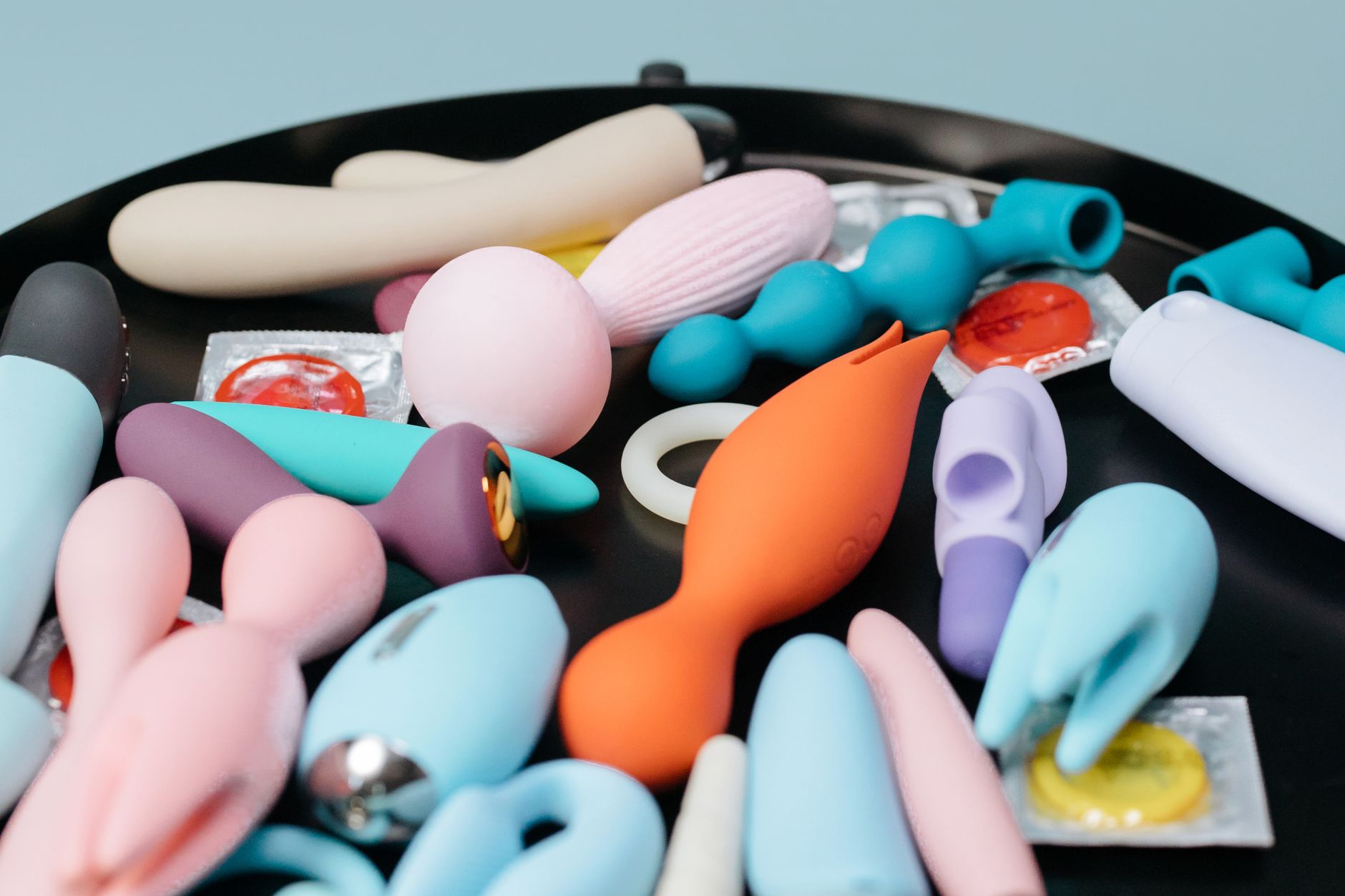
Photo by cottonbro studio on Pexels
If you're navigating how to use a lemon vibrator with your partner without killing the mood, the same principles apply. The difference here is that you're restarting from a place of no contact at all, which requires gentleness and explicit permission at every step.
What patterns and intensity settings actually work
When you've been off the table for a while, sensitivity shifts. People often say their body feels "less responsive" when they haven't had sex in months. That's real. The tissues need time to remember.
Start on pattern one or two of your lemon vibrator. Let the body wake up. You're not chasing the biggest orgasm right now. You're chasing "oh, I remember what this feels like." That's the whole goal.
If one pattern gets repetitive, switch to another. If the intensity ever feels overwhelming, you can step back. The permission to stop is what makes it safe to start.
Many couples find that the first few sessions don't end in orgasm, and that's completely fine. The point is reconnection, not performance.
When to bring in professional support
If the gap happened because of sexual pain, trauma, or a condition like vaginismus or erectile dysfunction, a sex therapist is genuinely worth the cost. They can help you distinguish between "we're nervous" and "something's actually broken." They can give you exercises. They can normalize what you're experiencing.
If the gap happened because of relationship rupture, a couples therapist makes sense. You're not trying to fix your entire marriage by restarting sex. You're trying to rebuild one part of it. A good therapist can help you do that in parallel.
If you're both ready but one person is stuck in shame or anxiety, that person might benefit from individual therapy too. Sometimes we need help before we're ready to show up for the couple.
The thing nobody says but everyone needs to hear
Your body hasn't forgotten. Your desire hasn't disappeared. It's just been quiet for a while. A lemon clitoral vibrator doesn't magically solve the relationship dynamics that created the gap in the first place. But it does give you a way to start touching each other again without the weight of six months or six years of silence attached to it.
You get to rebuild this. And you get to do it on your own timeline, with your own rules.
People also ask
How long does it usually take to restart sexual intimacy after a long gap?
There's no standard timeline. Some couples reconnect over two or three sessions. Others take weeks of gentle exploration before full sexual contact feels right again. The important thing is consistency, not speed. Once a week is better than once a month because it builds a habit of being vulnerable together. If you're working with a therapist, they can give you a more personalized sense of what to expect.
Will using a lemon vibrator make things feel less authentic between us?
Actually, the opposite. When you've been disconnected, the pressure to perform "real" sex can keep you stuck forever. A vibrator gives you permission to explore without that weight. Some couples eventually set the vibrator aside. Others keep it as part of their routine. Both are authentic. What matters is that you're both choosing it.
What if my partner feels emasculated by a lemon vibrator?
This is worth naming directly. A penis and a lemon clitoral vibrator do different things. One isn't a replacement for the other. The conversation might sound like: "I want this because it feels good to me. It has nothing to do with how I feel about you. I want to be close to you in new ways." If insecurity persists, that's often worth exploring in couples therapy because it usually points to something deeper.
Can we use a lemon vibrator if we're concerned about arousing one partner more than the other?
Yes, and in fact, it's a great way to navigate this. You can take turns focusing on each person's pleasure. You can use it as part of foreplay for penetrative sex rather than the whole experience. You can pause and check in. The lemon vibrator is a tool. You control how it's used and what happens next. How to use a lemon vibrator with your partner after years apart covers some of these dynamics in more depth.
How do I clean and care for a lemon vibrator between uses?
Wash it with warm water and mild soap, dry it completely, and store it in a cool place away from direct sunlight. If it's rechargeable, charge it after use but don't leave it plugged in indefinitely. A well-cared-for lemon vibrator will last for years, which matters because building back sexual trust takes time.
What if we restart with a vibrator and things still feel awkward?
Awkwardness isn't failure. It's just what happens when two people who haven't been intimate try again. Keep going. Laugh if you can. Talk about it. The more times you do it, the less awkward it becomes. If it's been a month of consistent awkwardness, that might point to a deeper issue worth exploring with a therapist.
The bottom line
Lemon vibrators and other clitoral vibrators aren't magic. They won't fix communication problems or resentment that hasn't been addressed. But they do make it easier to take the first step when you're scared. They give you permission to be imperfect, nervous, and fumbling together. They remind your bodies that sensation is still possible. For couples who have gone silent, that's everything.
If you're ready to restart, your body is ready too. You just need a way in.
Have questions about navigating this transition with your partner? We're here to help. Get in touch.