Let's talk about what actually happens to your body after kids
Pregnancy and birth change the pelvic floor. Breastfeeding (if you do it) tanks your estrogen. Sleep deprivation rewires your brain's reward system. And somewhere in the middle of all that, you're supposed to feel like having sex again. No pressure.
Here's what I see in my practice again and again: people feel broken after kids because their orgasm doesn't land the same way it used to. It's not broken. It's recalibrated. And if you work with your body instead of against it, postpartum pleasure can be genuinely better than it was before.
The physical reality of postpartum sensation
Your pelvic floor went through something. Whether you had a vaginal birth or cesarean, whether you're six weeks or six years postpartum, the tissues, nerve endings, and muscle structure have all shifted. This matters because the clitoris doesn't exist in isolation. It's part of a whole system.
Three things happen simultaneously:
First, estrogen dips. That affects tissue thickness and lubrication, especially if you're breastfeeding. Second, the pelvic floor gets fatigued or, paradoxically, tighter from guarding and tension. Third, your nervous system is in sympathetic overdrive. You're on alert for a crying baby, a partner, responsibilities. Your body stays somewhat stuck in fight-or-flight.
None of this means you can't orgasm. It means you need different conditions to get there.
Why lemon vibrators work so well for postpartum bodies
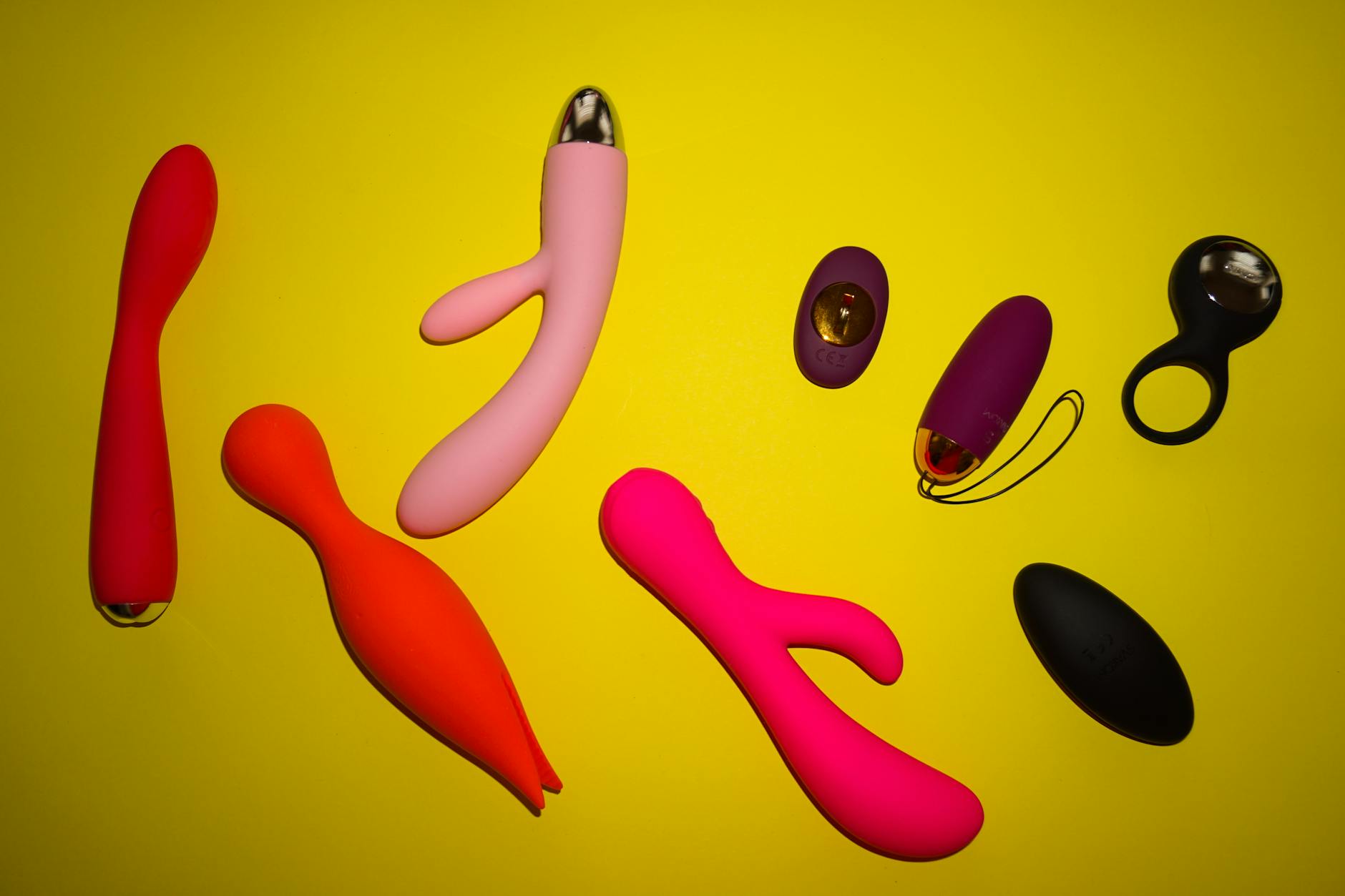
A lemon clitoral vibrator like the Lem uses air-suction technology rather than traditional vibration. For postpartum bodies specifically, this is genuinely useful. Here's why.
Traditional vibrators require direct contact and can feel intense or even uncomfortable on tissues that are healing, sensitive, or carrying tension. Air-suction technology creates a gentle rhythmic pulse that stimulates nerves without sustained pressure. It's more like a massage than a buzz. For someone whose nervous system is in overdrive and whose tissues are recalibrating, that's a huge difference.
The other thing: it works faster. When you have maybe fifteen minutes before a kid wakes up or a partner comes home, speed matters. Lemon vibrators typically get people to orgasm in under five minutes because the suction mechanism hits the right nerve density immediately. You don't have to build arousal for twenty minutes. You can work with the nervous system you actually have right now.
What postpartum arousal actually looks like
You probably remember arousal as something that happened to you. A thought, a look, physical touch. Your body responded. Arousal was automatic.
Postpartum arousal is different. It's available, but it usually requires more active participation from you. Your brain needs to opt in consciously. That's not a flaw. It's just the shape of it.
This is why context matters so much. You likely need:
Time (or the illusion of time). Lock the bedroom door. Put on headphones. Make it clear that this fifteen minutes is yours. Your nervous system won't downshift if you're half-listening for a baby monitor.
Physical preparation. A shower, a favorite lotion, changing out of the outfit you've been in for two days. Your body needs a signal that you're transitioning into something different from the constant tasks of parenting.
Mental space. This is the hardest one. Try saying to your partner, "I'm going to use the Lem for twenty minutes" the same way you'd announce you're going for a run. Normalize it. Don't hide it. When you're secretive about your own pleasure, your nervous system stays in high alert.
How to actually use a lemon vibrator postpartum
If you're new to suction vibrators, the setup matters. Here's what works:
Start with water-based lubricant. You might have less lubrication naturally, and the Lem works best with a thin layer. Not swimming-pool amounts. Just enough to reduce friction.
Begin on the lowest setting. You're not used to air-suction stimulation, and your tissues are hypersensitive. Pattern one or two for the first minute. You can always increase. You can't un-increase if it's suddenly too much.
Position yourself so you can actually relax. Most people use lemon vibrators lying down or in a reclined position, clitoris fully exposed. There's no performance aspect here. You're the only person watching. Comfort is the entire point.
Building arousal takes longer now, so don't fight it. Spend the first few minutes letting your nervous system settle. You might think about your partner, a memory, a fantasy, nothing at all. Whatever actually works. Then start the vibration.
Most postpartum users find they come with higher settings (patterns 5-7), but you might not. Everyone's nervous system is different. The goal isn't to replicate your pre-kid orgasm. It's to discover what this version of your body actually likes.
The emotional piece nobody talks about
Sex therapists focus on mechanics. I focus on meaning. And here's what I see: postpartum people often feel disconnected from their bodies because society treats them like incubators for six months and then expects them to immediately become sexual partners again.
Your body isn't wrong. The timeline is. You're allowed to grieve the ease of sex as it was before. You're allowed to need solo pleasure first before partnered sex feels good. You're allowed to use a tool like a lemon vibrator specifically to rebuild your own relationship with your body before you rebuild it with your partner.
If you have a partner, this is actually genius for the relationship. When you know what your postpartum body likes, when you've reconnected with your own orgasm in a pressure-free way, you come back to partnered sex with information instead of resentment. You know what to ask for. You know what works.
How this shifts partnered sex
Here's where it gets good. Once you've used the Lem solo and figured out what postpartum pleasure actually looks like for you, you can bring that into partnered sex.
You might use it during foreplay. You might have your partner use it on you. You might incorporate it into sex in ways that feel good specifically because you're not expecting yourself to come from penetration alone, which postpartum is often harder anyway.
The honesty helps too. "I come faster with the Lem" isn't a failure of your partner. It's information. It's a shortcut to pleasure. It's actually a gift because partnered sex doesn't have to be a sixty-minute marathon anymore. You can have good, satisfying sex in fifteen minutes because you're using a tool designed for your actual body right now.
When to involve your partner
There's no rule here. Some people want months of solo exploration before partnered sex feels right again. Some want to involve their partner immediately. Both are fine.
If you're partnered and want to bring lemon vibrators into shared sex, a simple conversation beats any amount of mysterious setup. "I want to try this tool. It helps me come. Want to learn how to use it with me?" Done. You're not surprising them. You're inviting them into something that matters to you.
The partner who gets it will recognize this for what it is: a way to make sex feel good again instead of like another obligation on a list of obligations.
If your partner is weird about it, that's separate information worth addressing. Check out the piece on how to use a lemon vibrator when you're anxious about your partner's reaction for more on that conversation.
Practical timeline: when can you actually do this
If you're asking from six weeks postpartum, medically cleared: yes, now. Start slow, use lubricant, stop if anything hurts. Your pelvic floor might be tender. That's normal. Gentle, short sessions. Build from there.
If you're months postpartum and haven't felt interested in sex: also normal. You can use a lemon vibrator specifically to rebuild that interest. The sensation alone can wake up nerve pathways that have been dormant.
If you're years postpartum and just now realizing you want your pleasure back: honestly, this is when a lot of people discover air-suction vibrators work best because they're less judgmental about timing. You come when you come. There's no performance.
The biggest shift I see is when people move from "I should want sex" to "I want to feel good in my body again." That's when lemon vibrators become genuinely useful. They're a tool for reclaiming something that's yours.
Questions people actually ask
Is it normal to need a vibrator to orgasm after kids?
Completely normal. Your nervous system has been through a lot. Your body is literally different. A lemon vibrator isn't cheating or a sign something's wrong. It's adjustment. Most postpartum people who come regularly use some kind of tool or partner involvement. Unaided orgasms return for some people, and for others, they don't, and that's fine too.
How do I bring this up with my partner?
Direct works. "I want to try a lemon vibrator for my pleasure. I think it will help me come back to sex feeling good." That's not mysterious or shameful. That's honest communication about your body. If your partner gets defensive, the issue isn't the vibrator. The issue is that they're uncomfortable with your pleasure, which is worth addressing in couple's work or a conversation with a therapist.
What if nothing feels good anymore?
That's usually not your body. That's usually your nervous system still in high alert. You might need to start even smaller: five minutes of the Lem on the lowest setting, no pressure to come, just to feel something. Reconnection takes time. You're not broken. You're rebuilding.
Can I use a lemon vibrator if I'm breastfeeding?
Yes. The only thing to know is that low estrogen means potentially less natural lubrication, so water-based lube is your friend. Breastfeeding doesn't make pleasure off-limits. Your body is yours too, not just the baby's.
How long does it take to feel like "myself" again sexually?
Depends what you mean by yourself. If you mean exactly like before kids: maybe never, and that's okay. Your body is different now. If you mean like someone who feels pleasure and desire: usually a few months of consistent practice and conversation with your partner. Your nervous system needs time to downshift. Give it that.
What if my partner wants sex before I'm ready?
Then you have a partnership problem, not a vibrator problem. You get to feel ready. You don't owe sex on a timeline. A lemon vibrator can help you reclaim your own pleasure on your own schedule, which is actually valuable because it reminds you that your body belongs to you first.
The real shift
Postpartum isn't the end of your sex life. It's a different chapter. Your body has capacity for pleasure. It just looks different now. Lemon vibrators work beautifully for postpartum bodies because they don't require the same arousal buildup, they're faster, and they work with your actual nervous system instead of demanding your pre-kid one back.
Reconnect with yourself first. Then bring that back to your partner. Your pleasure matters. Not someday. Now.
Want to talk through what's specific to your situation? Reach out. That's what I'm here for.