
Here's the thing about perimenopause
Your body isn't doing anything wrong. But it's also not doing what it used to do. Perimenopause is the decade or so leading up to menopause where your hormones don't follow a calendar anymore. One month your cycle is normal. The next month it's all over the place. And your pleasure? That shifts too.
I see this constantly with clients who use lemon vibrators, lemon sexual toys, and other clitoral vibrators during perimenopause. They come in confused because their favorite toy suddenly feels different. Not broken. Not worse necessarily. Just different. And when something that usually works suddenly requires adjustment, it's easy to assume something is wrong with you.
It's not. It's biology.
What perimenopause actually does to sensation
Perimenopause is hormonal whiplash. Your estrogen doesn't just drop steadily toward menopause. It spikes and crashes randomly across months and even weeks. Progesterone does too. This irregular fluctuation changes how your nervous system responds to stimulation.
When estrogen is high, your clitoral tissue is fuller, more vascularized, more responsive. Your vulvar skin is thicker and more resilient. When estrogen dips, all of that reverses. Your clitoris becomes less engorged. Your tissue thins slightly. Your natural lubrication can disappear mid-cycle. And because this is happening unpredictably, your body might feel reactive one week and sluggish the next.
Here's what makes it weirder: your brain isn't tracking this the same way it did in your twenties and thirties. Cortisol (your stress hormone) tends to rise during perimenopause. Higher cortisol dampens arousal at the neurological level, regardless of what your genitals are doing. So you can have perfectly good tissue responsiveness and still feel disconnected from pleasure.
That's why your lemon clitoral vibrator might feel incredible one day and require a different pattern the next.
The pattern changes you might notice
Most people describe one or more of these shifts during perimenopause:
Intensity takes longer to build. You're used to the Lem vibrator getting you there in 8 minutes. Now it's 12 or 15. You haven't lost sensitivity. Your arousal pathway is just less efficient when hormones are erratic.
Some patterns stop working. Maybe pattern 3 was your go-to for years. During perimenopause, it might feel one-dimensional. You find yourself wanting variety within a session, switching between patterns more than you used to. This isn't you getting bored. It's your nervous system asking for a different kind of stimulation as blood flow and nerve sensitivity fluctuate.
Sensation feels shallower. Your orgasms might feel less intense or concentrated compared to what you remember. This is real. Estrogen affects the pelvic floor's structural support and the density of nerve endings. When estrogen is lower, sensation can feel more diffuse rather than peaked.
Some sessions feel almost numb. You're touching yourself. The lemon sexual toy is working. But something feels disconnected. This is usually a cortisol problem. High stress + hormonal volatility can create temporary anhedonia (difficulty feeling pleasure). It passes. But when it happens, it's jarring.
Here's what matters: none of these mean you're losing your capacity for pleasure. They mean your hormonal context has changed, and pleasure now requires slightly different conditions.
Why lemon vibrators actually handle this better than you'd think
The suction design of the Lem vibrator is genuinely helpful during perimenopause. Here's why.
Traditional vibrators create pleasure through high-frequency mechanical stimulation. That works beautifully when your tissue is plump and responsive. During perimenopause, when your estrogen is low and your tissue is thinner, direct vibration can sometimes feel overwhelming or even uncomfortable.
Suction works differently. It creates a gentle vacuum that stimulates the entire clitoral body (remember, most of your clitoris is internal and not visible). Suction distributes pressure more evenly across the tissue. It doesn't rely on the same kind of tissue fullness that direct vibration does. This means lemon clitoral vibrators continue to work across a wider range of hormonal states.
I often recommend clients with lemon adult toys stick with patterns 1 through 3 during high-stress or low-estrogen weeks, then experiment with higher patterns when hormones stabilize. The versatility is actually an advantage during perimenopause.
The non-negotiable adjustments
Three things I tell every client using a lem vibrator during perimenopause:
Build in warm-up time. You're not lazy or broken if foreplay needs to stretch from 5 minutes to 15 or 20. Your nervous system needs time to recognize arousal signals when cortisol is elevated and estrogen is unpredictable. This is normal. Make it part of the ritual rather than something you're troubleshooting.
Lubrication isn't optional. Even if you're not experiencing full dryness, your lemon vibrator will feel dramatically better with lube. Water-based is safest for silicone toys. Lubrication isn't a sign of dysfunction. It's a practical tool that makes sensation sharper and more direct during perimenopausal fluctuations.
Track your cycle loosely. Not obsessively. But note approximately when your period comes and whether sensation feels different in the two weeks after. Most people find they have a window of 7-10 days (usually the second half of their cycle) where sensation is sharpest and pleasure is easier to access. Knowing this window means you're not fighting perimenopause on a week when your hormones aren't cooperating. You're working with them instead.
The mental part (which is half the battle)
Honestly, the biggest shift I see in perimenopause isn't physical. It's psychological. Clients carry decades of expectation about how their body should respond. When that changes, the shame and frustration can completely override the physical sensation.
You try your lemon vibrator. It doesn't feel like it used to. Your brain goes: "Something's wrong with me." And suddenly you're tense, which makes the whole thing worse.
Here's what actually helps: reframe this as recalibration, not decline. Your body isn't breaking down. It's shifting into a new operating system. Your job isn't to force it back to how it worked before. Your job is to figure out what this version of you needs.
That might mean starting with lower intensity. It might mean extending foreplay. It might mean checking in on your stress levels because that cortisol spike is doing real work. It might mean having a conversation with a partner about what's different and what you both want to explore.
It's not worse. It's different. And different can be really good once you stop fighting it.
When to reach out for help
If pain appears during pleasure, that's worth mentioning to your GP. Perimenopause can bring genitourinary changes that a topical hormone cream can help with. Not everyone needs it. But if dryness is significant or tissue feels fragile, it's a valid option.
If pleasure completely disappears (not just fluctuates, but vanishes for weeks), talk to someone who understands perimenopause. It could be hormonal. It could be stress. It could be both. Either way, it's treatable.
If using your lemon clitoral vibrator triggers persistent discomfort, stop and get checked. Perimenopause shouldn't bring pain. It brings change. That's not the same thing.
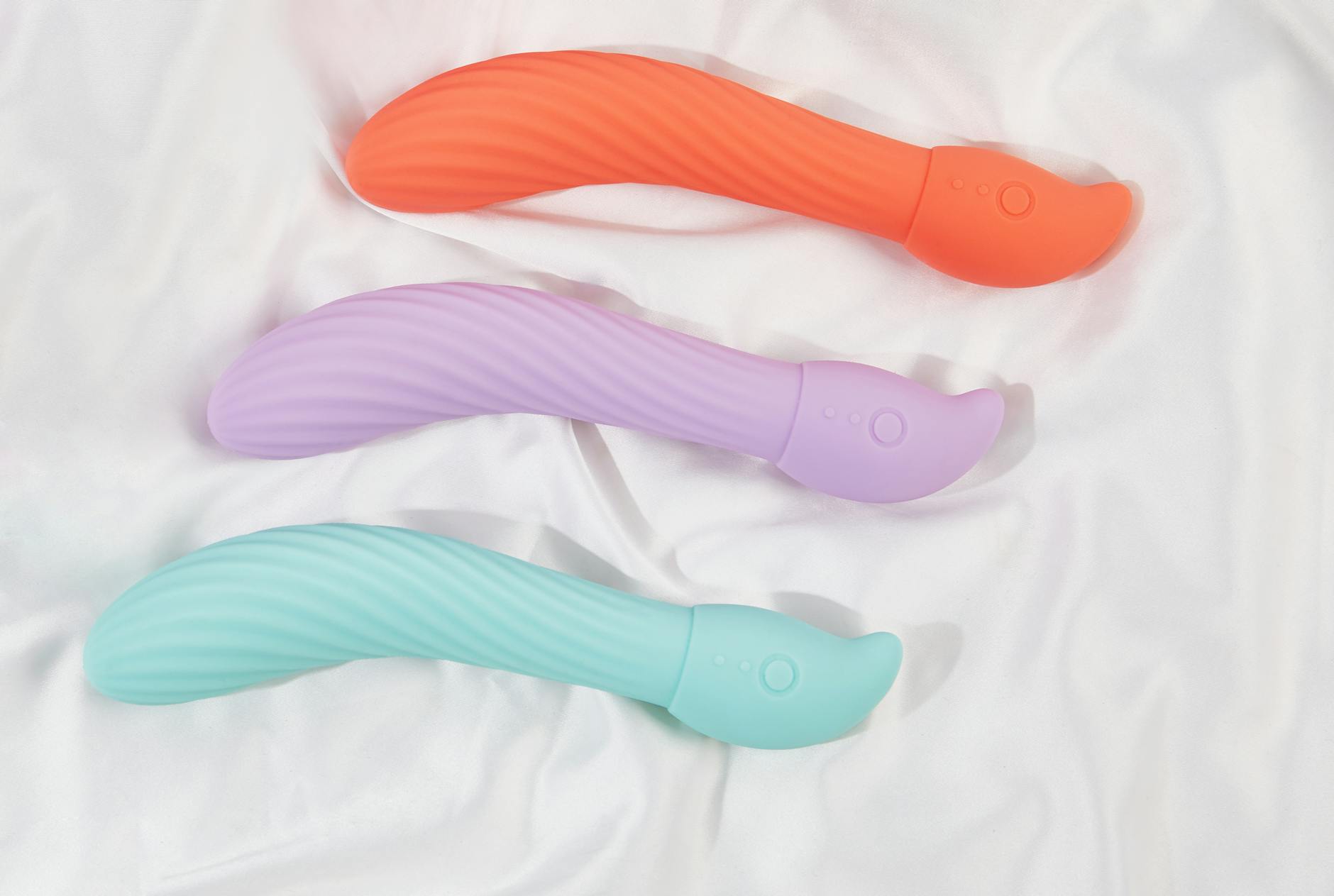
Photo by IFONNX Toys on Pexels
FAQ: Your perimenopause and lemon vibrator questions
Can perimenopause make me completely lose sensation with my lemon vibrator?
Not permanently, no. You might have weeks where sensation feels dampened or disconnected. This is usually a cortisol and stress response, not a permanent loss. Once you lower stress or move into a higher-estrogen phase of your cycle, sensation typically returns. If numbness persists for more than a month across all contexts (not just with toys), mention it to your doctor. It can signal thyroid issues or other metabolic shifts worth investigating.
Should I switch to a different lemon sexual toy during perimenopause?
Not necessarily. Most people find that sticking with one toy and adjusting how they use it works better than constantly switching. Lower intensity settings, longer warm-up, lube, and different positioning often solve the problem. That said, some people find that trying a different pattern or speed during this phase helps them discover new sensations. Experimenting is fine. Abandoning the toy because it "doesn't work anymore" is premature.
Is it normal for my lemon clitoral vibrator to feel better some days than others?
Completely normal. This is perimenopause baseline. One week your body reads as sensitive. The next week you're sluggish. This fluctuation is the definition of perimenopause. As long as the variation isn't painful or distressing, it's just your body expressing hormonal variability. Tracking when you feel most responsive can actually help you plan.
Does using a lemon vibrator during perimenopause make the hormonal symptoms worse?
No. Using a lem vibrator doesn't worsen perimenopause. If anything, regular pleasure can help manage cortisol and improve sleep quality, both of which usually soften perimenopausal symptoms. The only exception: if a toy causes discomfort, stop using it. But pleasure itself? That's protective.
How long does it take to adjust to sensation changes with my lemon adult toy?
Most people find their rhythm within two to four weeks of consciously adjusting warm-up time, lube use, and expectations. Some adjust faster. Some take longer depending on how much else is shifting (work stress, relationship changes, sleep). The key is giving yourself grace during the adjustment rather than assuming the toy is the problem.
Should I tell my partner my lemon vibrator feels different during perimenopause?
If you're using it with a partner, yes. Keep it simple: "My body's responding differently this phase. I want to explore this together." That's a conversation about adaptation, not dysfunction. If you're using it solo, the only person who needs to know is you. Either way, normalize the shift rather than treating it like a secret or a failure.
You're not starting over. You're recalibrating.
Perimenopause is the bridge between the reproductive years you've known and the next phase of your life. Your lemon vibrator isn't the issue. Your hormonal context is just more complex now. That actually opens possibilities, not closes them. Explore how lemon vibrators work across different cycle phases to deepen your understanding, or learn about sensitivity shifts in this stage of life if you're noticing broader changes. Your pleasure still matters. The path just looks different now. And that's okay.