Let's talk about the elephant in the room
Time away from sex isn't shameful. Life happens. Kids, caregiving, illness, grief, relationship breaks, burnout. Sometimes you just step back for a season and then realize it's been six months. Or three years. Your body doesn't forget how to feel pleasure, but it does shift. And that shift means your usual approach won't work the same way anymore.
Here's the thing: many people reach for whatever they used before, discover it feels uncomfortable or overwhelming, and then assume they've lost their capacity for pleasure. They haven't. Their nervous system just needs a different entry point. That's where lemon clitoral vibrators change the game.
What actually happens to your body during a sexual break
When you're not regularly engaging in sexual activity, several physiological things shift. Blood flow to the genitals decreases when there's no regular stimulation, so tissue becomes less engorged and slightly less sensitive to typical vibration. Your pelvic floor muscles, which have been relaxed for months, can become tighter and more prone to tension. The vaginal canal (if that applies to you) may produce less natural lubrication because arousal cycles aren't being triggered regularly.
But here's what doesn't change: the neural pathways are still there. Your clitoris still has thousands of nerve endings. Your brain hasn't forgotten arousal. You're not broken.
The issue is that going from zero to your old routine is like sprinting when your legs need to walk first. Your tissues feel overstimulated. Sensation might feel sharp instead of pleasurable. You might hit a wall of self-consciousness or anxiety halfway through. All of this is normal and fixable.
Why lemon vibrators are the soft re-entry point
A lemon sucker works differently than a traditional vibrator. Instead of rapid oscillation, it uses gentle rhythmic suction that mimics the sensation of oral stimulation. This matters enormously after a break because suction doesn't require the same level of tissue arousal that vibration does.
When you haven't been sexually active, your clitoris is less engorged. Direct vibration on partially engorged tissue can feel uncomfortable because the vibration has nowhere to absorb into. Suction, by contrast, works at a different frequency. It draws the tissue into the cup rather than hammering against it. The sensation feels more natural, more like what your body remembers, even though the mechanism is entirely different.
A lemon clitoral vibrator also lets you control the intensity in a way that's crucial during re-entry. You can start on pattern 1 (barely a whisper of sensation) and spend weeks there if you need to. There's no shame in that. There's no pressure to "work up to" the higher settings. Your body will tell you when it's ready, and a lemon vibrator meets you where you actually are instead of where you think you should be.
The nervous system piece nobody talks about
After a long break from sex, your nervous system might be in a cautious state. You could be carrying tension about whether you can still feel pleasure, whether your body has changed too much, or whether there's something wrong with you. That tension lives in your muscles.
Your pelvic floor holds emotional and sexual tension the same way your shoulders hold stress. After months of no sexual activity, it's likely tighter than you realize. If you dive back in with high-intensity stimulation, your pelvic floor will grip harder in response, which makes the sensation feel frustrating or painful.
Lemon vibrators, with their gentler suction approach, don't trigger the same protective response in your body. You can use one for 10 minutes on the lowest setting and actually feel your pelvic floor relax instead of clench. That relaxation is the foundation for everything that comes next. It's not frivolous. It's literally resetting your nervous system's relationship with pleasure.
How to actually use a lemon vibrator after a break
Honestly, the standard tips apply, but I'll say them anyway because they matter. Set aside 20 to 30 minutes when you're not rushed. This isn't about finishing fast. It's about remembering what pleasure feels like. Use water-based lubricant even if you think you don't need it. Tissue that hasn't been sexually stimulated in months will appreciate the help, and lubrication makes suction feel better anyway.
Start on the lowest setting. Not because you're fragile, but because you're gathering information about what your body responds to right now. You might spend three sessions on pattern 1. That's perfect. There's no timeline. When pattern 1 feels consistently pleasant, try pattern 2. You might find that pattern 3 or 4 is actually your sweet spot, and you can skip the middle ones. Your body will tell you.
Use your lemon vibrator without a partner present the first few times. No audience. No pressure to be performing. Just you and your nervous system learning to trust that pleasure is still available.
Partnered sex after a break looks different too
If you're planning to return to partnered sex after a break, using a lemon clitoral vibrator solo first is genuinely valuable. It rebuilds your confidence that your body still works. It teaches you what kind of stimulation feels good right now, not what it used to feel like. You can then bring that knowledge into partnered sex.
Many couples make the mistake of trying to pick up where they left off, only to have the person with the vulva feel disconnected or frustrated. Using a lemon vibrator together, or having your partner understand that you might need solo sessions first, completely changes the dynamic. You're not "trying to get back to normal." You're building something new that fits where you actually are.
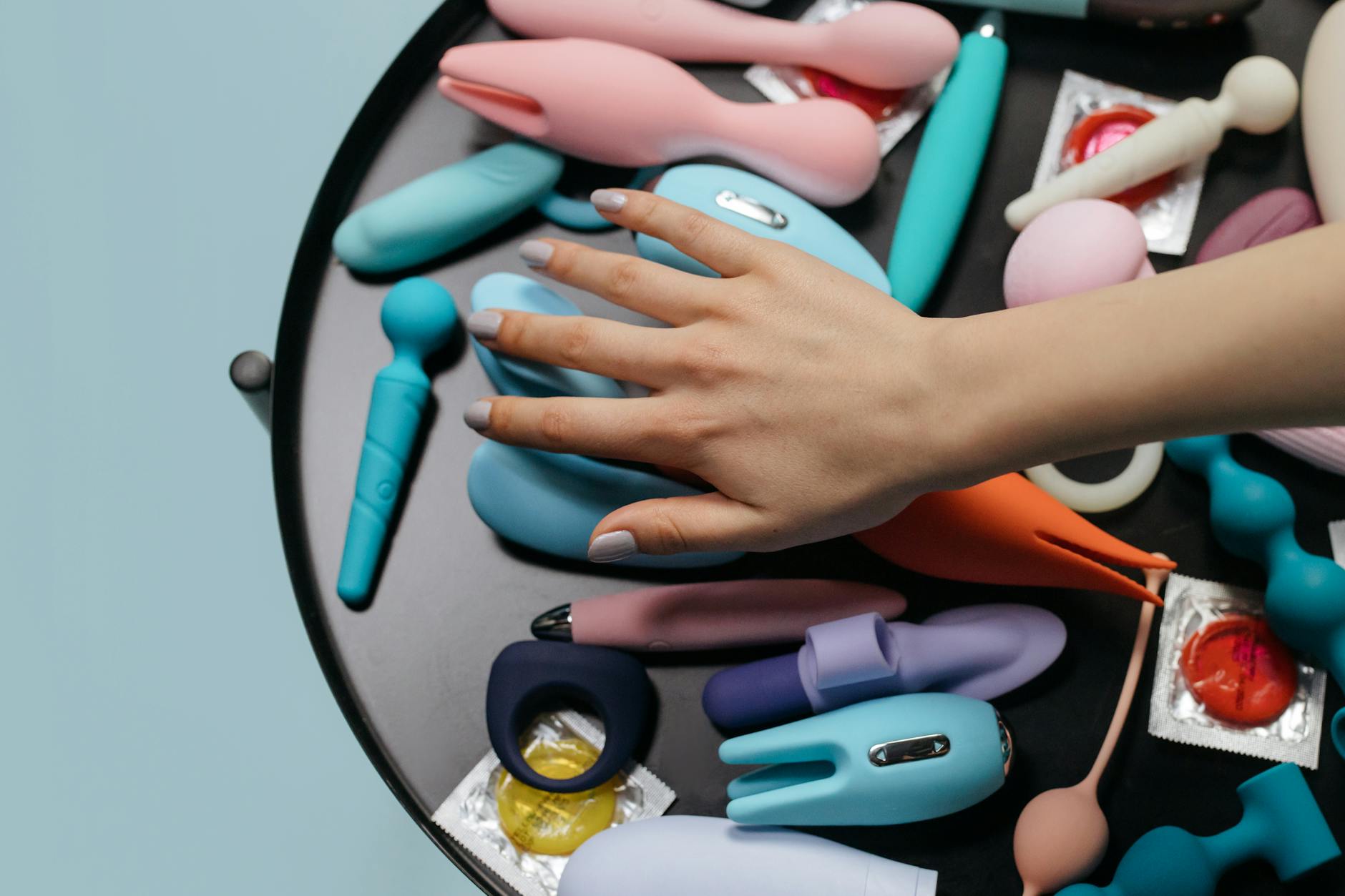
Photo by cottonbro studio on Pexels
What to expect in the first month
Week one might feel weird. Your body is remembering something it hasn't done in a long time. You might feel self-conscious. You might not feel much of anything the first session. That's completely normal. Keep going.
Week two is often when sensation starts to return. Not necessarily intense sensation, just real. Your tissues are getting more blood flow. Your nervous system is starting to relax.
By week three or four, most people notice a shift. The sensation feels less clinical and more genuinely pleasurable. You might start to look forward to your sessions instead of approaching them like homework. That shift is your nervous system and your body deciding that pleasure is safe again.
Now, if you're experiencing pain during this process, stop and reach out to a pelvic floor specialist or your doctor. Pain isn't part of the re-entry process, and you deserve support to figure out what's actually happening.
The mind piece matters as much as the body piece
Let's be honest. If you've been away from sex for a long time, there might be stories running in the background. Your body has changed. You've aged. You're not who you were. Maybe you had trauma. Maybe you just lost interest and now you're worried something's permanently broken.
A lemon vibrator isn't therapy for those thoughts. But it can be evidence against them. Every time you feel genuine pleasure, your brain gets new data. Over time, that data can shift the story.
If the background thoughts are really loud, talking to someone trained in sex-positive therapy can help. The Gottman Method, which I specialize in, includes approaches specifically for rebuilding intimacy after breaks or ruptures in a relationship. If you and a partner are navigating this together, that kind of support is worth the investment.
The timeline is completely your own
Some people spend a month using a lemon vibrator solo before they're ready for anything with a partner. Some people are ready after three weeks. Some people realize they prefer solo pleasure indefinitely, and that's a completely valid outcome. There's no "should" here.
Your body is not a machine with a warranty period. It doesn't expire. It just needs the right conditions to feel good again. A lemon clitoral vibrator, combined with patience and a little self-compassion, creates those conditions remarkably well.
If you're in a relationship, your partner doesn't need to understand why you're taking this slow. But they do need to respect it. That boundary itself is part of rebuilding. You get to decide how you reconnect with your own pleasure, and from there, you can decide what you want to share.
FAQ
Will I feel sensation immediately with a lemon vibrator after a break?
Probably not intensely. After months without sexual stimulation, your tissue needs time to become engorged again. Most people feel noticeable sensation by the second or third session, but real pleasure takes a few weeks. That's not a failing. It's just tissue waking up.
Should I use a lemon vibrator alone or with a partner when I'm restarting?
Alone first. Without an audience, your nervous system relaxes faster. Your brain isn't managing performance anxiety or attention. Once you've rebuilt confidence in your own pleasure, partnered use becomes easier and actually more connected.
Is pain during re-entry normal?
No. Discomfort, awkwardness, feeling nothing, or overstimulation is normal. Actual pain is not. If you experience pain, check with a pelvic floor physical therapist or gynecologist. You might have tension that needs release work, or there could be something else happening.
How often should I use a lemon vibrator when I'm getting back into it?
Two to four times per week is a good starting frequency. This is enough to build neural pathways and tissue responsiveness without overwhelming your system. Listen to your body. If you're sore, take a break day.
Can I use a lemon vibrator with lubricant?
Yes, absolutely. Water-based lubricant actually makes suction-based toys feel better. It creates a better seal and glides smoother. Always use it. Your tissue will thank you.
What if I still feel nothing after a month of using a lemon vibrator?
It might be worth talking to someone. This could be physiological (hormonal, medication-related, or nervous system stuff) or psychological (trauma, grief, or something else living in your body). A good therapist or your doctor can help sort out what's going on. You're not broken, but you might need support beyond just a vibrator.
Is it different if I'm on hormone therapy or medications?
Yes, sometimes. Antidepressants, hormonal birth control, and other medications can affect sensation and arousal. If you're on something new, give your body extra time and grace. If sensation isn't returning after six weeks, mention it to whoever prescribed the medication. There are often alternatives or adjustments that can help.
Can a lemon vibrator help if the break was because of relationship problems?
Partially. A lemon vibrator can help rebuild your personal relationship with pleasure. But if the break was because of disconnection with a partner, the vibrator is a tool, not a solution. You might want to explore couples work or individual therapy alongside using a toy. Pleasure is part of reconnection, but not the whole thing.