Let's be real about medication and pleasure
Antidepressants work. They genuinely do. But here's what nobody tells you in the pharmacy: roughly 40 to 60 percent of people taking SSRIs or SNRIs report changes in sexual pleasure, arousal, or sensation. Some notice it immediately. Others realize six months in that they haven't felt much of anything below the neck since starting their medication. Both experiences are completely valid, and both are treatable.
The flattening isn't a character flaw. It's not in your head. It's pharmacology. And there are concrete strategies to rebuild sensation without stopping medication that's keeping you stable.
How psychiatric medications affect sensation
SSRIs (selective serotonin reuptake inhibitors like sertraline, paroxetine, fluoxetine) and SNRIs (serotonin-norepinephrine reuptake inhibitors like venlafaxine) work by changing how your brain processes neurotransmitters. Serotonin affects mood, but it also affects blood flow, nerve sensitivity, and the cascade of physical responses that lead to arousal and orgasm.
When serotonin rises in some areas of your brain, it can dampen dopamine signaling in the reward centers. Dopamine is what makes pleasure feel like pleasure. Without it, sensation exists but feels muted, like you're experiencing touch through thick glass.
Other medications compound this. Buspirone, some blood pressure meds, antihistamines, and hormonal birth control can layer on additional numbness. If you're taking multiple medications, the cumulative effect on sensation can be significant.
The good news: this is not permanent, and it's not something you have to accept as the cost of mental health stability.
Why lemon clitoral vibrators change the equation
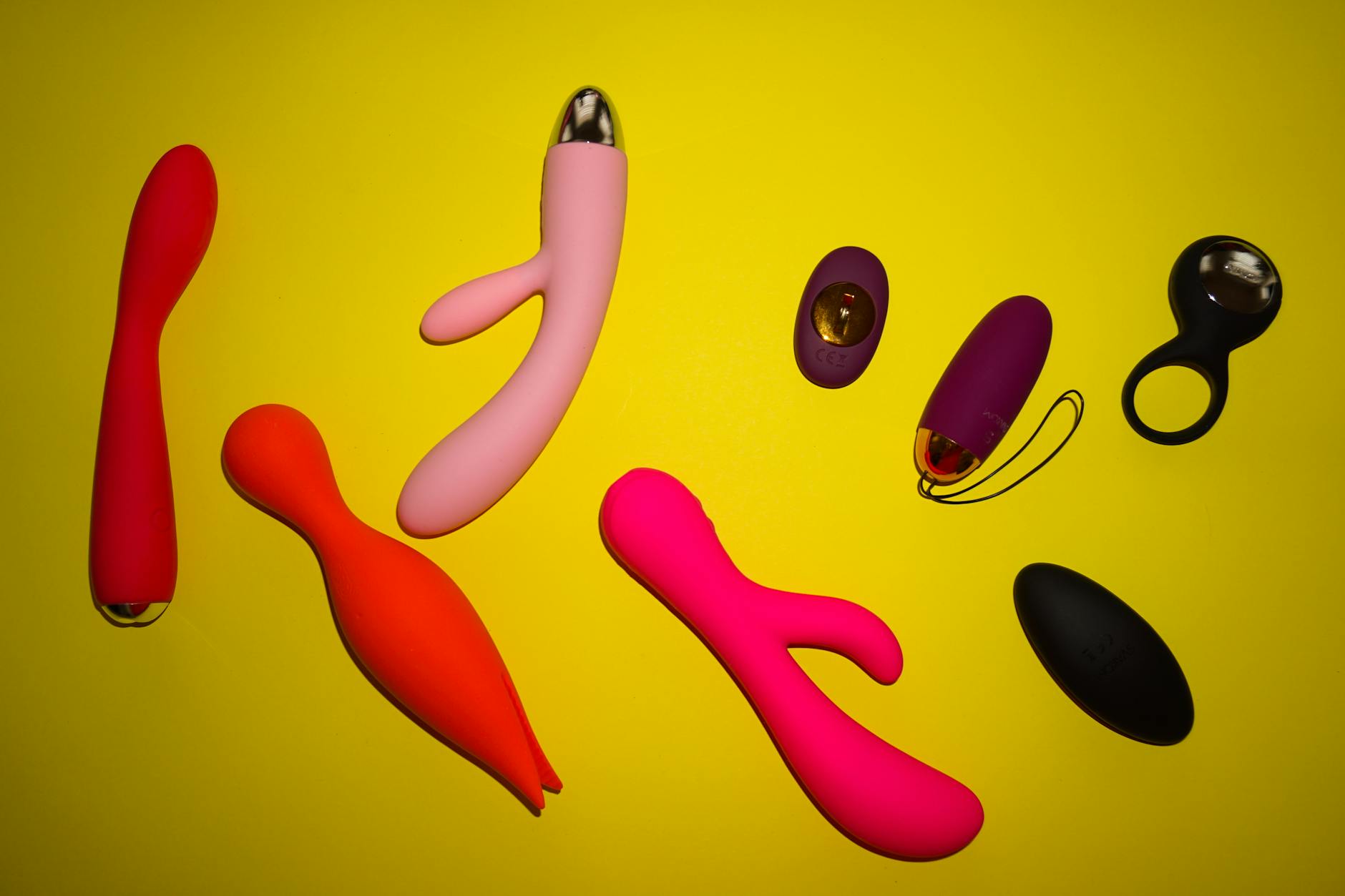
Lemon sexual toys, particularly air-suction clitoral vibrators like the Lem, work through a different sensory pathway than the dulled responses medication has suppressed. Instead of relying on general touch sensitivity, they stimulate the dense nerve network of the clitoris through rapid, rhythmic pressure changes. This activates sensory receptors that often remain responsive even when medication has dampened broader sexual sensation.
Think of it this way: if medication has turned your touch sensitivity down to a 3, targeted clitoral stimulation can create a focused 8 or 9 in that one highly sensitive area. The contrast alone can help your nervous system remember what pleasure feels like.
Lemon adult toys are particularly effective because they don't require the sustained friction or direct pressure that might feel ineffective when sensation is flattened. Instead, they create a sealed suction effect that pulls and releases, activating deeper nerve clusters. Many people on antidepressants report that traditional vibrators feel buzzy and distant, while lemon suction toys feel present and tangible.
The medication conversation nobody coaches you through
Before you try anything new, talk to your prescriber. That sounds clinical, but here's why it matters: some medications work better at certain dosages, and some people benefit from switching to a different medication class that has fewer sexual side effects. Bupropion, for example, is often energizing and sexually enhancing, and some people switch from an SSRI to bupropion specifically for this reason.
You don't have to accept sexual flatness as the permanent cost of mental health treatment. Your psychiatrist has multiple options. The conversation looks like: "I'm stable on this medication, which I'm grateful for. I've also noticed numbness in my sexual response. Are there adjustments we could explore?"
You deserve both stability and pleasure. That's not negotiable, and it's worth advocating for.
Practical steps to rebuild sensation while on antidepressants
Start with realistic expectations. Medication-related numbness doesn't reverse overnight, even with the right tools. Most people notice changes within two to four weeks of introducing consistent lemon vibrator use.
First, carve out uninterrupted time. Antidepressants often flatten sensation, which means your body needs longer to build arousal. Budget 20-30 minutes, not five. Your nervous system isn't broken; it's just working slower.
Second, start low and explore patterns. If you're using a lemon clitoral vibrator for the first time on medication, begin at setting one. Pressure and rhythm matter more than intensity when sensation is muted. Many people find that mid-range patterns feel more present than max intensity.
Third, layer sensation. Combine vibration with temperature (warm hands, a heat pad), texture (soft fabric), or a partner's touch. When one sensory channel is dampened, redundancy helps. Your brain registers input from multiple pathways.
Fourth, notice without judgment. As sensation returns, you might feel things you haven't felt in months. Some people cry. Some laugh. Some feel nothing yet, which is also normal. Rebuilding sensation is not linear.
When to consider a dosage or medication adjustment
If flatness is severe and doesn't budge after four to six weeks of consistent exploration, talk to your prescriber about dosage. Sometimes lowering the dose slightly (while maintaining mood stability) restores some sensation without sacrificing mental health gains.
If your medication class consistently dampens sexual response, switching might be worth discussing. Bupropion, mirtazapine, and some atypical antipsychotics have sexual enhancement as a documented side effect. Aripiprazole or buspirone are sometimes added to SSRIs specifically to counteract sexual dulling. Your psychiatrist can model these conversations with you.
This is not failure. Psychiatric medications are tools, and you deserve a tool that works for your whole life, not just your mood.
The emotional piece matters as much as the physical
Antidepressants often arrive alongside depression or anxiety that has already damaged your relationship to pleasure. The medication flattens sensation, sure. But sometimes what feels like medication side effect is actually depression whispering that you don't deserve pleasure, that your body is broken, that this is permanent.
It's not. But unpacking that belief often requires support. A therapist trained in sex-positive frameworks can help you separate medication effects from depression effects from genuine relationship ruptures that need different repair.
If you're partnered, your partner's patience and curiosity matter immensely. Rebuilding sensation with a partner who's present and engaged changes the timeline and the experience entirely. The conversation with your partner looks similar to the one with your prescriber: "My medication is helping my mental health. It's also changed my sexual response. Let's explore this together."
Common questions about lemon vibrators and antidepressants
Should I stop my medication to feel sensation again? No. The risks of stopping psychiatric medication without medical supervision far outweigh the benefit of restored sensation. Talk to your prescriber about options that keep you stable while addressing sexual side effects.
Will lemon vibrators feel different on antidepressants? Possibly. Many people report that sensation-focused toys feel more effective than general vibrators when on SSRIs or SNRIs, because targeted stimulation bypasses some of the dulled general touch response. But everyone's nervous system responds differently.
How long does it take to feel pleasure again? Two to six weeks of consistent use is typical, but some people notice changes within days. Others take months. This isn't a race. Pleasure returning is the destination, not the timeline.
Can I use a lemon vibrator if I'm also on other medications? Generally yes, but check with your prescriber or pharmacist if you're on medications affecting blood pressure, heart rate, or neurological function. Most people on antidepressants use vibrators without complication.
What if I don't feel anything even with a lemon vibrator? That's information, not failure. It might mean your medication dosage needs adjustment, your depression is still too heavy, you need additional support (therapy, lifestyle changes, partner communication), or you simply haven't found the right sensory approach yet. All of those are solvable.
Should I tell my partner about medication-related numbness? If you're partnered, yes. The alternative is isolation and frustration on both sides. Your partner deserves to know you're experiencing a side effect, not that they're suddenly unattractive or that your feelings have changed. That distinction is huge.
The last thing you need to know
Antidepressants save lives. They also sometimes flatten pleasure. Both things are true simultaneously. And flatness is not permanent or inevitable. You have tools: conversation with your prescriber, exploration with lemon clitoral vibrators, patience with your body's timeline, and partnership with your provider and your partner if you have one.
Your pleasure matters. Your mental health matters. You don't have to choose. If your current medication is killing sensation, you have options. Start with honesty, move to conversation, and give yourself permission to rebuild this part of your life slowly.
If you're not sure where to start or want to talk through medication changes with professional support, we're here to help. Reach out at /contact and let's figure this out together.
People also ask
Do SSRIs always reduce sexual sensation?
No, but they do for roughly 40 to 60 percent of people who take them. Some people experience no change in pleasure or sensation at all. Others notice subtle shifts that don't bother them. Individual neurochemistry varies wildly, which is why one person's experience on sertraline might be completely different from another's.
Can I take medication for the sexual side effects of my antidepressant?
Yes. Bupropion is sometimes added to SSRIs specifically to counteract sexual side effects. Sildenafil (Viagra) can help with physical response in some people. Some prescribers recommend brief medication breaks (not recommended for all drug classes, and dangerous without medical supervision). Your psychiatrist has options worth exploring if sexual side effects are affecting your quality of life.
Why do lemon vibrators work better than regular vibrators when I'm on antidepressants?
Lemon clitoral vibrators use air-suction technology that targets dense nerve clusters in a focused way, rather than relying on general touch sensitivity that medication has already dampened. When sensation is flattened, this targeted approach often feels more present and effective. But individual preference varies. Some people prefer traditional vibration, others prefer suction. Experimentation matters.
Is it normal to feel emotionally numb along with physical numbness on antidepressants?
Yes, and it's worth monitoring. Some people experience anhedonia (loss of pleasure in activities and relationships) as a side effect of medication, particularly SSRIs. This is different from depression anhedonia, but both are treatable. If you notice both emotional and physical flatness, talk to your prescriber. A dosage adjustment or medication switch might help.
How do I talk to my partner about medication-related numbness?
Honestly and early. Try something like: "I've noticed my sexual response has changed since I started this medication. It's a known side effect. I'm talking to my doctor about options, and I wanted you to know so we're on the same page. This isn't about us or how I feel about you. Let's figure this out together." Clarity removes the shame that often hides these conversations.
What if my pleasure doesn't come back even with treatment?
Then you have more information and more options. Talk to your psychiatrist about dosage adjustments, medication switches, or additional therapies. Talk to a sex-positive therapist about trauma, depression, or relational patterns that might be layering on top of medication effects. Use tools like lemon vibrators as part of a broader approach, not as a standalone fix. Rebuilding sensation sometimes takes multiple interventions.
References and sources
Wesley Baldwin, Richard Balon, et al. "Sexual Side Effects of SSRIs and SNRIs: Incidence, Mechanisms, and Management." Journal of Sexual Medicine, 2021.
Pandya, Meera. "Sexual Dysfunction in Depression: Impact, Effects, and Treatment." Psychiatry, 2012.
Voorhees, Chelsea M., et al. "Medication-Related Sexual Dysfunction: A Systematic Review of Patient Preferences and Clinical Evidence." Sexual Medicine Reviews, 2020.
America's Psychiatric Association. "Diagnostic and Statistical Manual of Mental Disorders (DSM-5)." Arlington, VA, 2013.
Basson, Rosemary. "The Complex Interplay Between Desire and Arousal." Journal of Sex & Marital Therapy, 2001.