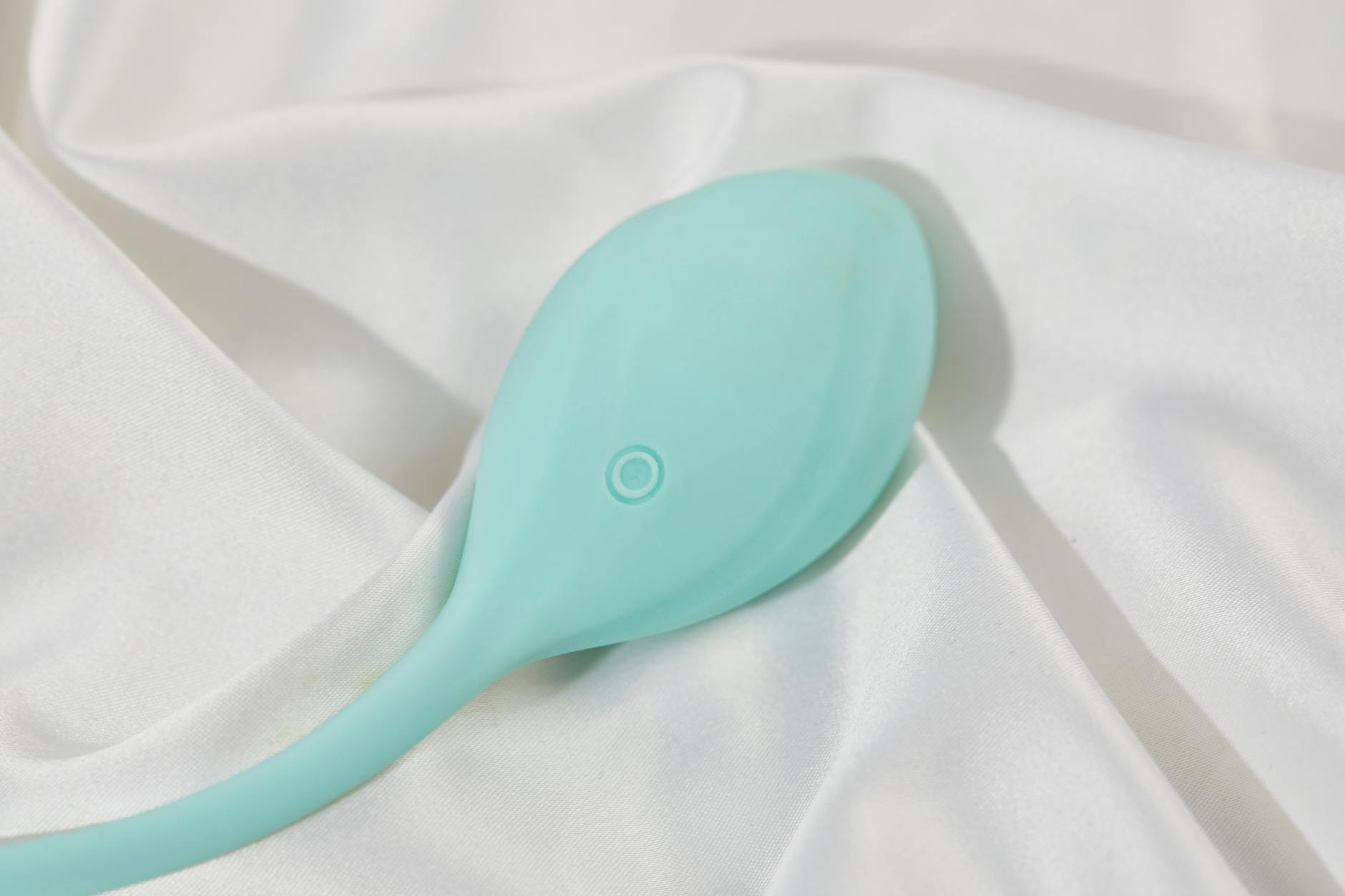
Pleasure isn't a luxury when you're living with pain
Let's be real: when endometriosis or chronic pelvic pain shows up in your life, sex often becomes something you endure instead of enjoy. The pain is real, the fatigue is real, and the emotional whiplash of wanting intimacy but dreading the physical cost is deeply real. Most conversations about managing endometriosis focus on surgery, hormones, and pain management. No one talks about reclaiming pleasure, but they should.
Here's the thing. Pleasure and pain exist in different neurological channels. You can have a diagnosis that comes with genuine physical discomfort and still access genuine physical pleasure. They're not in competition. The right tool, used the right way, can actually help both.
Why lemon vibrators feel different for people with endometriosis
Traditional vibrators create high-frequency mechanical stimulation, which can aggravate pelvic tension in people with endometriosis. The constant buzzing can overstimulate already-sensitive tissue and trigger cramping or inflammatory flare-ups. Lemon vibrators—also called lemon suckers or suction-based clitoral vibrators—work via a completely different mechanism.
Instead of vibrating, they create a gentle rhythmic suction pattern against the clitoris. This stimulates the nerve endings without the same mechanical friction that irritates inflamed tissue. For many people with endometriosis, that difference is life-changing.
The clitoris has about 8,000 nerve endings concentrated in a small space. Suction activates these nerves by creating micro-movements through gentle pressure changes, not through rapid buzzing. The result is often more intense pleasure with less tissue irritation. And because the suction patterns are gentler than vibration, you're less likely to trigger the pelvic floor tension that often accompanies endometriosis pain.
How endometriosis changes sexual response
Endometriosis rewires pleasure in specific ways. The inflammatory response in the pelvic cavity can make the tissues around the clitoris, vulva, and pelvic floor more sensitive and reactive. For some people, this means that standard vibration feels overwhelming or even painful. The intensity that used to feel good now feels aggressive.
At the same time, deep pelvic pain can create a psychological block. Your brain learns to brace against potential pain, which suppresses arousal and makes orgasm harder to reach. It's not that the nerve endings stop working. It's that the nervous system goes into protective mode.
A lemon clitoral vibrator works with this reality in three ways:
1. Lower baseline intensity. Even on its highest setting, suction stimulation is gentler than a traditional vibrator's lowest setting. This lets you access pleasure without triggering a pain response.
2. Customizable pressure. You control how much suction intensity you want by adjusting where the toy contacts your skin. Lighter touch, lighter suction. Full contact, full pressure. This flexibility is huge for people whose pain levels fluctuate day to day.
3. Reduced pelvic floor tension. Because suction doesn't trigger the same defensive bracing response in your pelvic muscles, orgasms often come more easily and feel less likely to cause cramping afterward.
What the research actually shows
Endometriosis research on pleasure and sexual function is thin—which is its own kind of telling. Most studies focus on pain during sex, not pleasure. But the data we do have is encouraging.
A 2019 study in Reproductive Sciences found that people with endometriosis who used external clitoral stimulation reported fewer pain flares when using lower-intensity, targeted stimulation compared to broader pelvic vibration. The key variable wasn't the toy itself but the type of stimulation.
Other research on pelvic pain and suction-based devices shows that because they create less overall pelvic floor activation, they tend to reduce post-orgasmic cramping. One small clinical review in the Journal of Sexual Medicine noted that patients with vaginismus and pelvic pain conditions reported better outcomes with suction-based stimulation than with traditional vibrators.
None of this means a lemon vibrator is a treatment for endometriosis. It's not. It's a tool for reclaiming a part of your life that the diagnosis tried to take from you.
How to use a lemon vibrator safely with chronic pain
Timing matters. Most people with endometriosis find that their pain and pleasure tolerance shift across their cycle. Ovulation and the luteal phase (the second half of your cycle) often come with higher inflammation and lower pleasure capacity. Menstruation itself might feel too tender. That's normal. Work with your body's rhythm, not against it.
Start during a lower-pain window. If you're not sure when that is, pay attention over a few cycles. Many people find the few days after their period ends, or the early follicular phase, feel most approachable.
When you do use the toy, warm up longer than you normally would. Endometriosis makes arousal take longer to build. Budget 20 to 30 minutes of foreplay or self-touch before introducing the vibrator. This gives your nervous system time to downregulate and your blood flow to shift toward pleasure instead of pain.
Start on the lowest setting. With a lemon clitoral vibrator, even the gentlest patterns are surprisingly effective. There's no prize for turning it up. If you find yourself needing intensity to feel pleasure, that might be worth checking in with a pelvic floor physical therapist about—sometimes tension-holding patterns can mask the actual pleasure signal.
Pay attention to what happens after. Do you feel good? Energized? Tender in a way that feels like soreness rather than pain? If you're consistently cramping hard after pleasure, talk to your doctor or a pelvic floor PT. It might mean you need to adjust technique, timing, or medication.
The emotional piece you can't skip
Reclaiming pleasure after chronic pain diagnosis is not just physical. Your brain has learned that your body equals pain. Asking it to suddenly feel pleasure takes patience and permission.
Many people with endometriosis report guilt around pleasure. The logic goes: "My body is broken, so I don't deserve this." That's not how bodies work, and it's not how pleasure works. Your body isn't broken. It's managing a real diagnosis. And pleasure is part of managing it well.
If you have a partner, this matters even more. Conversations about endometriosis and sex often become about what you can't do. What you should try flipping the script: what would feel good? What would feel safe? A lemon sucker or other clitoral vibrator can be part of expanding what feels possible instead of shrinking it.
When to talk to your doctor
If pleasure causes sharp pain, talk to your gynecologist or pelvic floor physical therapist before using any toy. Some endometriosis flares involve inflammation that needs medical attention first.
If you're on hormonal medication for endometriosis, that shouldn't change how you use a lemon vibrator. But if you're considering changing your pain medication or starting a new treatment, let your doctor know you're exploring pleasure again. Context matters.
A pelvic floor PT is genuinely worth it if you have chronic pelvic pain. They can teach you how to release tension patterns that make everything harder—both pain and pleasure. Many people find that addressing the pelvic floor component transforms what's possible with a toy.
The bottom line
You don't have to choose between managing endometriosis and having a sexual life. They're not mutually exclusive. A lemon clitoral vibrator—with its gentle, suction-based approach—gives a lot of people with chronic pelvic pain a way back to pleasure that actually works with their body instead of against it. The key is patience, attention to timing, and willingness to try something that works differently than traditional vibrators do.
Your pleasure matters. Not despite the diagnosis. Not as some frivolous bonus if you can manage the pain. But as a real, important part of living well.