The thing nobody tells you about sex during fertility tracking
Let's be real. The moment you decide you want to get pregnant, sex stops being about pleasure and starts being about timing. Ovulation charts replace foreplay. Temperature tracking beats anticipation. And somewhere between the apps and the pressure, your body forgets what it felt like to just want someone without the backdrop of baby-making anxiety.
Here's what I want you to know: pleasure and conception aren't at odds. In fact, the opposite is true. But the messaging you're getting from fertility culture makes it sound like they are, and that's the real problem.
Why orgasms actually matter in the conception window
There's solid science here that nobody's talking about. During ovulation, when uterine contractions peak, an orgasm triggers a sequence of muscular movements in the uterus and fallopian tubes. These contractions help move sperm toward the egg. Some research suggests this effect is measurable. Other studies find the benefit subtle but real.
But here's what matters more than the data: the relaxation that comes after an orgasm reduces cortisol. Lower stress hormones create better conditions for implantation. And psychologically, the pleasure itself counters the hyper-vigilance that kills sex drive during fertility planning.
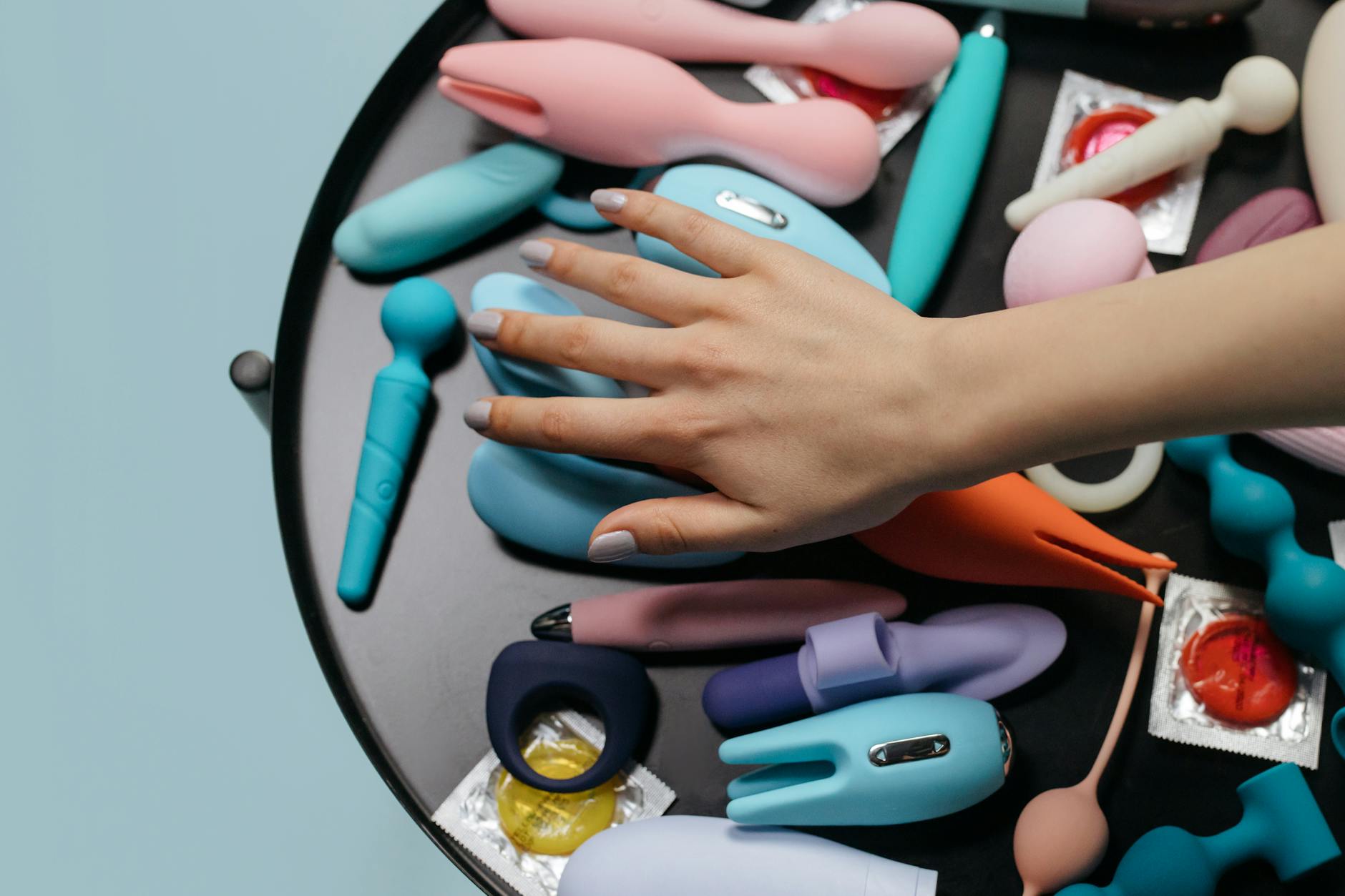
When you're tracking ovulation, the nervous system goes into surveillance mode. Your body's natural arousal response gets dampened by anxiety. So anything that brings you back to sensation without the pressure helps. A lemon clitoral vibrator does exactly that.
The timing question (and why you're probably overthinking it)
The fertile window isn't a narrow slot. It spans about five days before ovulation through the day of ovulation itself. Yet so many couples treat it like a twenty-minute window on a specific date, which creates impossible pressure.
This is where lemon sexual toys come in handy. They're faster than partnered sex. You don't need extended foreplay to reach arousal. If you're someone who takes time to build pleasure on your own timeline, a lemon vibrator lets you access that in fifteen minutes instead of needing an hour with a partner. No performance pressure. No watching the clock.
You can use it alone on days when your partner isn't available but you're in the window. You can use it with a partner to supplement sex that felt rushed or stressful. You can use it after partnered sex to give your body that orgasm benefit without the emotional weight of "trying harder."
The magic is that it decouples pleasure from the conception timeline. You're not having sex to make a baby. You're having an orgasm because your body deserves one.
How to talk about this with a partner (without making it weird)
A lot of couples I work with hit a wall here. One person wants to bring a toy into conception sex, and the other hears it as "you're not enough." That's not what it means, but the silence around pleasure during fertility planning makes it easy to misinterpret.
Start with this: "Sex during ovulation week feels pressured for me. I want to enjoy it, but the timing stress is getting in the way. Would you be open to exploring something that might help?"
That frames the toy as a tool for connection, not a replacement. Because it is. A lemon vibrator isn't a substitute for partnered sex during the fertile window. It's a way to make partnered sex feel less like a clinical appointment.
Some partners find that watching their partner use a clitoral vibrator is actually arousing. Some couples use it as foreplay. Some people use it solo while their partner is present, which removes the performance aspect entirely. There's no one right way.
Managing the emotional toll (because that's the real barrier)
Physically speaking, pleasure during ovulation helps. Emotionally speaking, the pressure of baby-making kills pleasure faster than almost anything else. After months of timing sex and charting cycles, many people report feeling numb or disconnected during the exact window when they're supposed to feel most sexually engaged.
This is where solo pleasure with a lemon sexual toy becomes genuinely important. It's not just about the orgasm. It's about reclaiming your body as a source of pleasure instead of a baby-making machine. When you use a toy alone, without your partner present, without the weight of conception on top of it, you're reconnecting with the part of you that wants pleasure for its own sake.
Try this: use a lemon vibrator on non-fertile days too. During your period. During the luteal phase. Not for conception, but for you. This habit keeps your nervous system from going into total survival mode during the fertile window. Your baseline pleasure stays higher. When you do have sex during ovulation, your body knows what arousal feels like.
Practical tips that actually work
If you're thinking about bringing a lemon clitoral vibrator into your conception journey, here's what experience teaches.
First, invest in lube. The fertile window is short, and sex can happen more frequently than your body naturally produces lubrication. A water-based lube means you can use a vibrator without friction or discomfort, especially if sex has been happening more regularly.
Second, give yourself permission to use it during partnered sex without announcing it like it's a negotiation. Some partners respond better to a casual "I want to try this" during the moment than a formal conversation beforehand. Other couples need the conversation first. Read your relationship.
Third, remember that pleasure isn't on a schedule, even in the fertile window. If an orgasm doesn't happen today, it doesn't matter for conception. The benefit of a lemon vibrator isn't that it guarantees orgasm. It's that it removes barriers to orgasm when your nervous system is in overdrive.
Finally, let your partner know that using a toy isn't about them. If they're worried about adequacy, tell them directly: "I want to come during sex with you, and this helps me get there without pressure." That's the truth for most people using toys during conception planning.
When to back off from the pressure entirely
There's a point in many conception journeys where the stress overtakes the benefit. If you've been tracking ovulation for months without success, sex becomes a reminder of what isn't happening. At that point, stepping back from the rigid timing might be the most honest thing you can do.
Some couples switch to having sex without tracking. Some pause trying altogether for a month or two. Some move toward professional support. These aren't failures. They're course corrections.
If you do step back from conception planning, a lemon vibrator can help you reconnect with pleasure that's been lost. Because once sex becomes clinical, it takes time to remember what desire feels like without the achievement framework on top of it.
The bottom line
Your pleasure matters in the conception window. Not because it guarantees pregnancy. But because it keeps you connected to your body as something that feels good, not something that's failing you. That matters for your wellbeing during this season. And honestly, it matters for your relationship too. Sex without pleasure is just a chore with higher stakes.
A lemon vibrator is one tool among many that can help you stay present to your own sensation while everything else is screaming at you to optimize and perform. Use it because your body deserves pleasure. The conception part will follow or it won't, but at least you'll have kept yourself intact in the process.
Common questions about lemon vibrators and trying to conceive
Does using a vibrator during ovulation help with conception?
The orgasmic contractions from a vibrator during ovulation may help move sperm, but the evidence is mixed. What matters more is that staying connected to pleasure reduces stress hormones, which supports the body's natural fertility conditions. A lemon clitoral vibrator helps because it removes barriers to orgasm when conception planning creates psychological pressure. The secondary benefit of stress reduction is often more significant than the direct mechanical effect.
Is it safe to use a lemon vibrator while trying to get pregnant?
Completely safe. Lemon sexual toys are designed with body-safe silicone and don't introduce anything into the reproductive tract that would interfere with conception. You're not harming sperm or the egg. What you're doing is managing your nervous system, which actually creates better conditions for fertility. Use it as part of your pleasure practice without worry.
Should I use a lemon vibrator instead of having sex with my partner during the fertile window?
No. Partnered sex is still the primary method for conception, obviously. A lemon vibrator works best as a supplement. Use it solo on days when your partner isn't available but you're in the fertile window. Use it during partnered sex if penetration alone doesn't get you to orgasm. Think of it as expanding your options, not replacing them.
How often should I use a lemon clitoral vibrator while trying to conceive?
There's no magic frequency. Use it as often as you want pleasure, which might be daily, a few times a week, or only during the fertile window. The point is to keep your baseline pleasure high so that when you do have sex during ovulation, your body isn't coming at it from a place of complete shutdown. Regular pleasure during non-fertile days helps more than trying to force it only during ovulation week.
Can my partner and I use a lemon vibrator together during the fertile window?
Absolutely. Many couples find it helpful because it removes the pressure of achieving orgasm through penetration alone. Your partner can be inside you while you use a lemon clitoral vibrator, or they can use it on you, or you can use it solo while they're present. The variation keeps sex from feeling like a clinical procedure and helps both of you stay engaged.
What should I do if conception planning is killing my sex drive completely?
Step back. Talk to your partner about taking a month off from tracking ovulation or timing sex. Reconnect with pleasure without the achievement framework. A lemon vibrator can help you rediscover what desire feels like when it's not attached to baby-making. Sometimes the kindest thing you can do for your fertility journey is to pause the constant monitoring and let your body remember what pleasure is. Then return to trying with a healthier nervous system in place.