How to Use Lemon Vibrators When You Feel Pressure to Perform
Here's the thing about performance anxiety: it's not really about whether you're "good enough." It's about your nervous system staying locked in what therapists call the sympathetic state. Fight or flight. Your body is watching itself. Your brain is narrating. Nothing is being felt because everything is being monitored.
This is where lemon vibrators, specifically the rhythmic suction-based stimulation they provide, become genuinely useful. Not because they're magic, but because they interrupt the anxiety loop by offering sensation so direct and pleasurable that your brain stops narrating and starts receiving.
The difference between arousal and performance
Performance anxiety creates what I call "spectator arousal." You're in your body but also somehow outside it, watching how you're responding, wondering if it's enough, if it's taking too long, if your partner is bored. That split attention collapses genuine arousal before it starts.
Real arousal is different. It's embodied. Your brain is in your body, not hovering above it critiquing the view. When you're truly aroused, you're not thinking about being aroused. You're feeling sensation.
Lemon clitoral vibrators help bridge this gap because they provide stimulation that's potent enough to pull your attention from the performance narrative back into the sensation itself. The suction mechanism on a lem vibrator doesn't require the same mental effort or adjustment that manual stimulation does. You're not working to adjust angle or pressure. You can just receive.

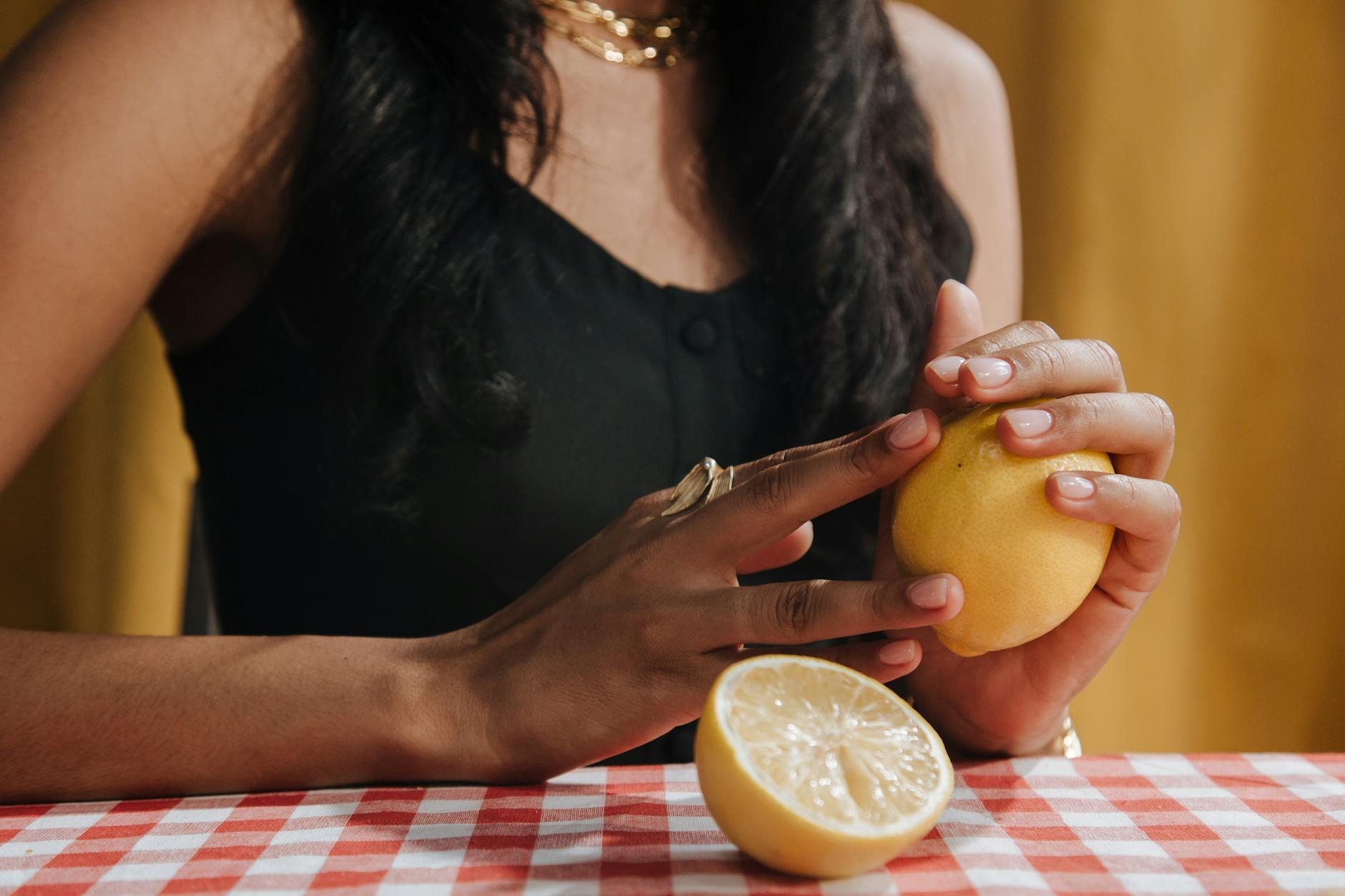
Photo by cottonbro studio on Pexels
Why solo practice matters more than you think
If performance anxiety is your issue, the single most useful thing you can do is get comfortable with pleasure alone first. Without an audience. Without anyone's expectations to manage.
This is where a lem vibrator becomes your practice tool. Solo use trains your nervous system to stay in the pleasure response, to build arousal without spectating on yourself, to trust that sensation is happening without needing external validation.
When you spend time learning your own patterns with lemon vibrators in a low-stakes environment, something shifts. Your nervous system learns: "Okay, pleasure is safe. I can let go here." That learning carries forward into partnered contexts.
Start with 15-20 minutes in a comfortable space where you're not rushed. No goal of orgasm. Just noticing what patterns feel good, what pressure levels work, how your body responds when you're not watching yourself.
The progressive pattern approach
Most lem vibrators have 5-10 intensity patterns. Performance anxiety often comes with what I call "catastrophic thinking about sensation." People skip the lower intensities because they assume they won't work, or they jump to maximum settings to try to force an outcome faster.
Neither works. Here's what does:
Start with pattern 1 or 2. Stay there for 5 minutes minimum. Let your body adjust to the sensation. This is the key: your nervous system needs permission to gradually transition from anxiety into arousal. Jumping straight to high intensity keeps you in fight-or-flight.
After a few minutes at lower intensity, move to pattern 3 or 4. Again, stay. Let sensation build. The point is not to reach orgasm as fast as possible. The point is to teach your body that it's safe to feel good incrementally.
When arousal starts building (you'll feel warmth, increased sensitivity, deepening sensation), then you can move to higher patterns. But only when your body is already responding, not as a way to force response.
The mental reset that actually works
Anxiety loves a script. "I'm taking too long." "What if nothing happens." "Am I doing this right." The brain keeps narrating because narrating feels safer than feeling.
With lemon clitoral vibrators, you can interrupt that script by grounding in three concrete sensations:
1. Pressure. Feel the suction cup. Feel where it meets your skin. That's real and present.
2. Vibration pattern. Can you distinguish between pattern 3 and pattern 5? Not logically, but by pure sensation. The rhythm changes. Your body feels that shift.
3. Warmth and responsiveness. Over a few minutes, your body responds. Tissue gets more sensitive. Blood flow increases. You're warmer. That's your system working.
When your brain tries to narrate ("Am I taking too long"), redirect it to one of these three sensations. "What's the actual pressure I'm feeling right now?" You're using embodiment as an anti-anxiety tool.
Partnered pleasure without the performance trap
If performance anxiety happens with a partner, lemon adult toys actually reduce pressure in a specific way. You're not relying solely on your body's automatic responses or your partner's touch to generate pleasure. You have a tool that's predictable and potent.
This can feel counterintuitive. Shouldn't it be more "natural" without a toy? No. Natural is not the same as good. Lemon vibrators are a legitimate part of your pleasure toolkit, and using them with a partner shifts the dynamic from "Can I get aroused on demand" to "Let's both experience pleasure together in whatever way works."
One practical approach: use the lem vibrator in a partnered context, but have your partner outside the direct experience initially. They're present but not watching intently. They might touch you elsewhere, or simply be close. This removes the sense of audience without removing connection.
As your nervous system gets more comfortable, the dynamic can change. But the first step is rebuilding trust that pleasure is possible without surveillance.
When to recognize deeper anxiety
Performance anxiety and sexual function anxiety sometimes coexist with broader anxiety disorders, depression, or trauma responses. If you're using lemon vibrators and still feeling completely numb, or if anxiety is pervasive outside sexual contexts, talking to a therapist trained in somatic work or EMDR can be genuinely helpful. Vibrators are useful tools, but they're not a substitute for processing deeper nervous system dysregulation.
Same applies if performance anxiety is recent and linked to a specific event or relationship change. That might benefit from couples work rather than solo practice.
But if you're noticing that your anxiety quiets down when you're using lemon clitoral vibrators in solo contexts, and that's building your confidence, you're on the right track. Trust that pattern.
The unexpected benefit: you stop needing to perform
Here's what happens when people spend consistent time with lemon vibrators and their own pleasure: they realize that orgasm isn't a performance metric. It's not something to achieve on schedule or prove to anyone.
Sometimes orgasm happens. Sometimes it doesn't. Both are fine. That shift is the real win. When you stop needing the outcome, arousal actually shows up more reliably.
Lemon sexual toys help with that because they provide sensation without requiring you to perform anything. No technique. No rhythm you're maintaining. No monitoring of whether it's working. Just sensation, which is more than enough.
FAQ: Performance Anxiety and Lemon Vibrators
How long does it take for lemon vibrators to help with performance anxiety?
Most people notice a shift within 2-3 weeks of consistent solo practice 2-3 times weekly. That said, performance anxiety often has layers. If it's linked to relationship stress or past trauma, rebuilding trust in pleasure takes longer. Patient practice matters more than speed.
Can I use lemon clitoral vibrators if I'm already on anxiety medication?
Absolutely. In fact, some anxiety medications dull sensation temporarily. Lemon vibrators with their direct suction stimulation often work well for people on SSRIs or other meds that affect arousal. If sensation feels muted, starting at higher intensity patterns can help compensate. That said, talk to your doctor if sexual function changes significantly after starting a new medication.
Is it bad if I prefer vibrators to partner stimulation?
Not remotely. Your nervous system may simply need the intensity, consistency, and predictability that a lem vibrator offers. That's data about what your body needs to relax into pleasure. It doesn't mean you can't enjoy partnered sex. It means you might benefit from incorporating vibrators into partnered contexts rather than seeing them as competing.
What if I still feel performance pressure even during solo practice with lemon vibrators?
That's common. The pressure can be internalized. Try a different approach: set a timer for 15 minutes with zero expectation of outcome. The goal is literally just time in your body. No orgasm target. No proof needed. Just sensation. This retrains your nervous system around pleasure without the achievement framework.
Can my partner and I use the same lemon vibrator, or do we need separate ones?
Separate lemon sexual toys is the hygiene standard, especially if either of you has penetrative contact. That said, you can absolutely take turns using the same toy in different contexts, or use one during partnered play if you're comfortable. Just make sure it's cleaned with warm water and mild soap between uses.
Why do lemon vibrators work better for performance anxiety than other toys?
The suction-based stimulation on a lem vibrator is very direct and specific. It doesn't require adjustment or technique from you. That simplicity reduces the mental load, which means less room for anxiety to narrate. You're not thinking about what to do. You're just feeling what's happening.
You deserve pleasure without the pressure
Performance anxiety is common, but it doesn't have to be permanent. Lemon clitoral vibrators, used thoughtfully and without expectation, help your nervous system recognize that pleasure is safe and available. When that shift happens solo, it travels with you into partnered contexts. Not because you're "fixed," but because your body has learned: arousal is possible when I'm not spectating on myself.
Start small. Stay present. Let sensation lead. The pressure you're feeling isn't your fault. And it's not permanent either.