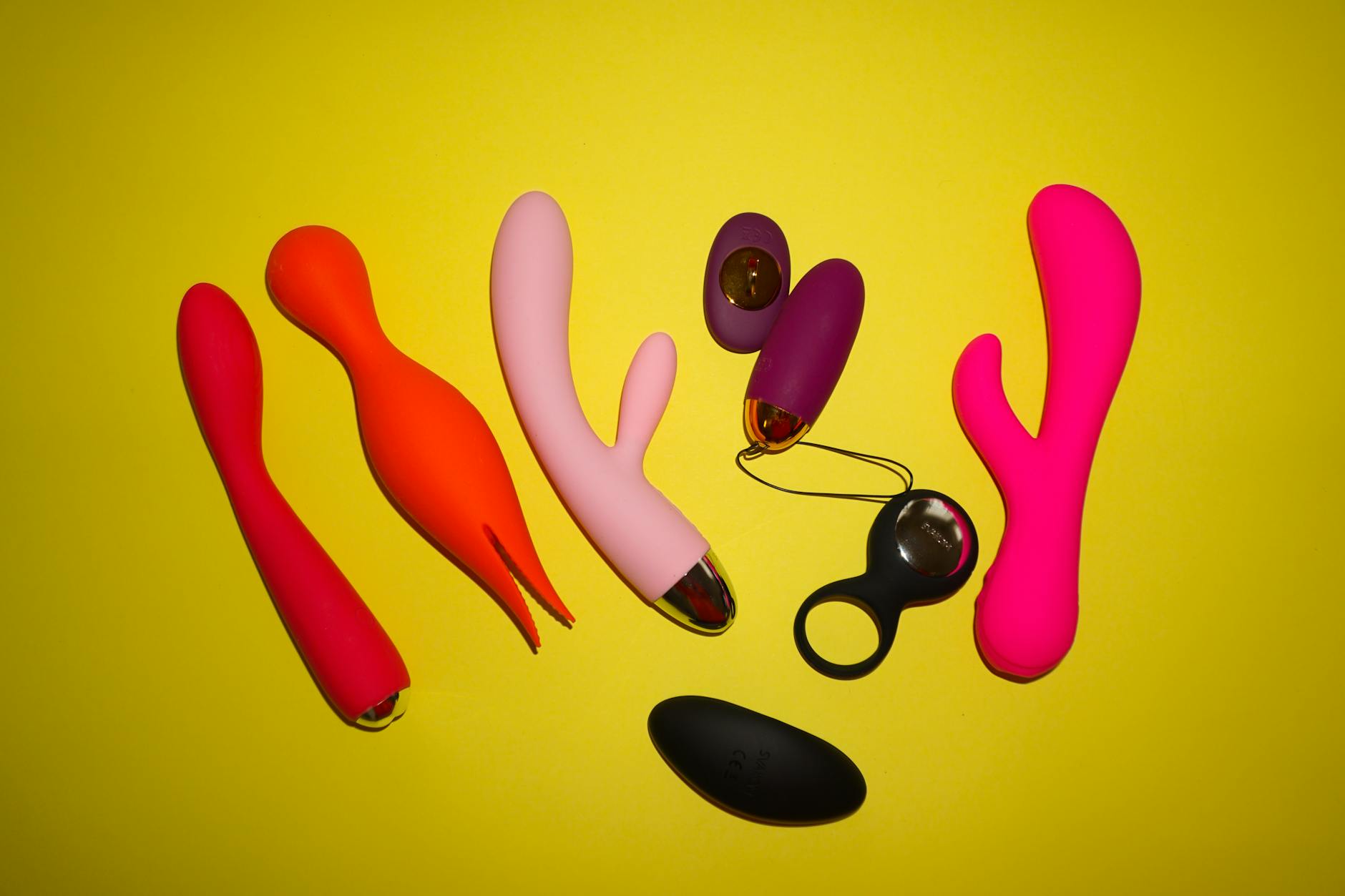
The roommate conversation nobody wants to have
You and your partner share a bed. You don't touch. You share a calendar. You don't connect. The bills get paid, the dishes get done, someone remembers to buy milk. But somewhere between the spreadsheet of responsibilities and the daily logistics, the two of you stopped being intimate.
It's not an affair. It's not a fight. It's worse, sometimes. It's just... nothing. And the longer nothing goes on, the harder it feels to interrupt that momentum.
Here's what happens in relationships like this: one or both of you assumes that restarting intimacy means a full conversation about your feelings, your bodies, what went wrong, and how to rebuild. That sounds good in theory. In reality, it feels overwhelming. So you both do nothing.
What I've found in my clinical work is that sometimes the best entry point back into physical connection isn't a conversation. It's an object. A tool. Something that removes the performance anxiety and makes pleasure feel separate from the pressure of "fixing the relationship."
Lemon vibrators, specifically lemon clitoral vibrators, work remarkably well for this. Not because they're magic. Because they sidestep the exact thing that keeps roommate couples stuck: the assumption that intimacy has to be complicated.
Why lemon vibrators interrupt the "no touch" cycle
When a couple hasn't been intimate for months, the barrier isn't always desire. It's usually anxiety. "Will it be weird?" "What if it doesn't work?" "Do they even want this?" "What if I'm not attracted anymore?"
Lemon sexual toys take the pressure off those questions. Here's why.
First, they're not about your partner. A lemon clitoral vibrator is about your body's capacity for pleasure, independent of performance or reciprocation. This matters because couples who've been in the roommate dynamic often can't separate "Will my partner enjoy this?" from "Do I want this for myself?"
Second, they're not escalation. A vibrator doesn't automatically mean you're heading toward penetrative sex or any particular endpoint. It's just sensation. That boundary is huge. It means you can explore pleasure together without the implicit pressure that exploration has to lead somewhere.
Third, they introduce novelty without requiring vulnerability. You don't have to explain why you want this, what you've been fantasizing about, or what's been missing. The toy speaks for itself. You can both just... be curious together.
How to actually introduce this to your partner
The introduction matters more than the toy itself.
Don't do it during a relationship conversation. Don't do it while you're both trying to "fix things." Introduce it in a low-stakes moment.
Something like: "I got something I want to try with you. Nothing heavy. Just something fun."
What you're not doing here is making it mean something. You're not saying this is about saving the relationship. You're not implying your partner has been failing you. You're just... introducing an object.
The partner hearing this might feel nervous. That's normal. Make it easy. Show them the lemon vibrator. Let them know what it does. Make a joke if that fits your dynamic. Keep it light until you're both in the moment.
Many couples I work with find that the first time using a lemon clitoral vibrator together is oddly low-pressure exactly because they're both focused on the toy instead of on each other. That removes eye contact anxiety, performance pressure, and the weight of "is this working?"
The actual patterns that help
When you're using a lemon vibrator with a partner after a long break from touch, the specifics matter.
Start with lower intensity. This sounds obvious, but it's worth stating. If you haven't used a vibrator together before, don't jump to the strongest setting. Your nervous system needs to get reacquainted with sensation. Start at pattern one or two. You can always increase intensity.
Take time. Give yourself at least 20-30 minutes. The roommate dynamic trains both of you to rush or cut things short. Permission to slow down is part of the reset.
One of you experiences it first. This helps. If the partner with the vulva uses the lemon vibrator first while the other watches, it removes performance anxiety and builds comfort with the device. Then you can shift to shared pleasure.
Talk, but keep it simple. Not "How does this feel compared to my touch?" but rather "What setting feels best?" or "Want to try a different pattern?" Functional, sensory conversation. Not emotional processing.
Use lube. Water-based lube. It removes friction, makes everything feel less intense if you're nervous, and signals that you're taking this seriously. The physical lubrication is real and practical. It's also metaphorical. You're making this easy.
Why lemon sucker technology works better for couples who are reconnecting
There's a specific reason lemon vibrators with air-suction technology feel less intimidating to couples coming out of a long intimate drought.
Traditional vibrators feel like a direct replacement for a partner's touch. That can be threatening when you're already worried that the toy means your partner will be replaced or that your body isn't "enough."
Air-suction technology, which is what you get with the Lemon Clitoral Vibrator, feels different. It's not a vibration you've necessarily experienced before, so it doesn't invite comparison to a partner's touch. It's novel sensation. That novelty works in your favor because it's harder to worry about performance or comparison when you're both exploring something new.
The suction pattern also tends to build sensation more gradually. For couples coming back to pleasure, this is better. Gradual arousal feels less jarring than intense vibration. It gives your nervous systems time to adjust and your brains time to reconnect to pleasure as a thing you do together.
The conversation that happens after
Something interesting happens when a couple uses a lemon adult toy together for the first time after months without touch.
They often want to talk afterward. Not about the relationship. About the sensation, the experience, what they want to try next.
That's the door opening. That's connection. It's not deep or therapeutic yet. It's just connection.
Lean into that. Don't leap from "we used a vibrator" to "let's address the core issues in our marriage." Let the smaller intimacy build first. Let your bodies remember that pleasure together is possible.
The second or third time you use lemon vibrators together, you might naturally start talking about what's been missing. Or you might just keep exploring sensation. Both are fine. You're rebuilding the habit of physical connection. Everything else follows.
When you should talk to someone
If you're in the roommate dynamic and it's been longer than six months without any physical intimacy, couples therapy or sex therapy is worth exploring.
A lemon vibrator is a useful tool for restart, but it's not a substitute for addressing real issues like communication breakdown, resentment, mismatched desire, or unresolved conflict. If there's active anger or contempt between you, introduce a vibrator after you've started addressing those things, not before.
If one partner is completely resistant to any physical contact, that's a signal something deeper is happening. A therapist can help you figure out what.
But if the barrier is just inertia. If you've both kind of given up without actively fighting. If you're stuck in the habits of being roommates and can't quite remember how to be lovers. A lemon clitoral vibrator can be the thing that breaks that pattern.
Connection doesn't always have to come from deep conversation first. Sometimes it comes from touch. From novelty. From permission to explore pleasure together without the weight of fixing everything at once.
FAQ
How do I know if my partner will be offended by me suggesting we use a vibrator?
Most partners aren't offended by the suggestion itself. They're nervous about what it means. Addressing that directly helps. "I want to get us back to pleasure together. This might help. What do you think?" frames it as a shared project, not a critique.
What if we try the lemon vibrator and it doesn't work?
It might take a few tries. Your nervous systems have been offline for months. Give yourself permission for the first time to feel awkward or slow to warm up. That's normal after a long break. If after three or four attempts you're both feeling nothing, talk to a therapist. Something else might be at play.
Can we use a lemon vibrator if we're not sure our relationship is worth saving?
If you're genuinely questioning whether you want to stay together, don't introduce a vibrator as a fix. Explore that question first with a therapist or through honest conversation. A vibrator is a tool for couples who want to reconnect, not for couples trying to decide if they should.
Is it weird to use a lemon sexual toy if one partner has a much higher libido than the other?
It can actually help bridge that gap. The lower-libido partner gets to experience pleasure at their own pace, without the pressure of matching their partner's desire. The higher-libido partner gets to share an experience. It's not a permanent fix for mismatched libidos, but it's often a good starting point.
How often should we use lemon vibrators to rebuild connection?
Start with once a week or every other week. Consistency matters more than frequency. Your brain and body need to build a new habit of pleasure together. Sporadic use doesn't create that momentum.
What if one of us feels insecure that the other "prefers" the vibrator?
This comes up. Address it directly. "The vibrator isn't replacing you. It's adding something." Let your partner know that their touch still matters and that using a lemon vibrator together is different from using one alone. Keep checking in.
The roommate thing doesn't have to be permanent
I work with couples like this regularly. The ones who rebuild are almost never the ones who wait for a perfect conversation or a therapy breakthrough to restart touch. They're the ones who give themselves permission to be awkward, to use tools, to let novelty interrupt the pattern.
A lemon vibrator isn't complicated. Your relationship issues might be. But they don't have to be solved before pleasure can restart. Sometimes pleasure is what makes the rest of the conversation possible.