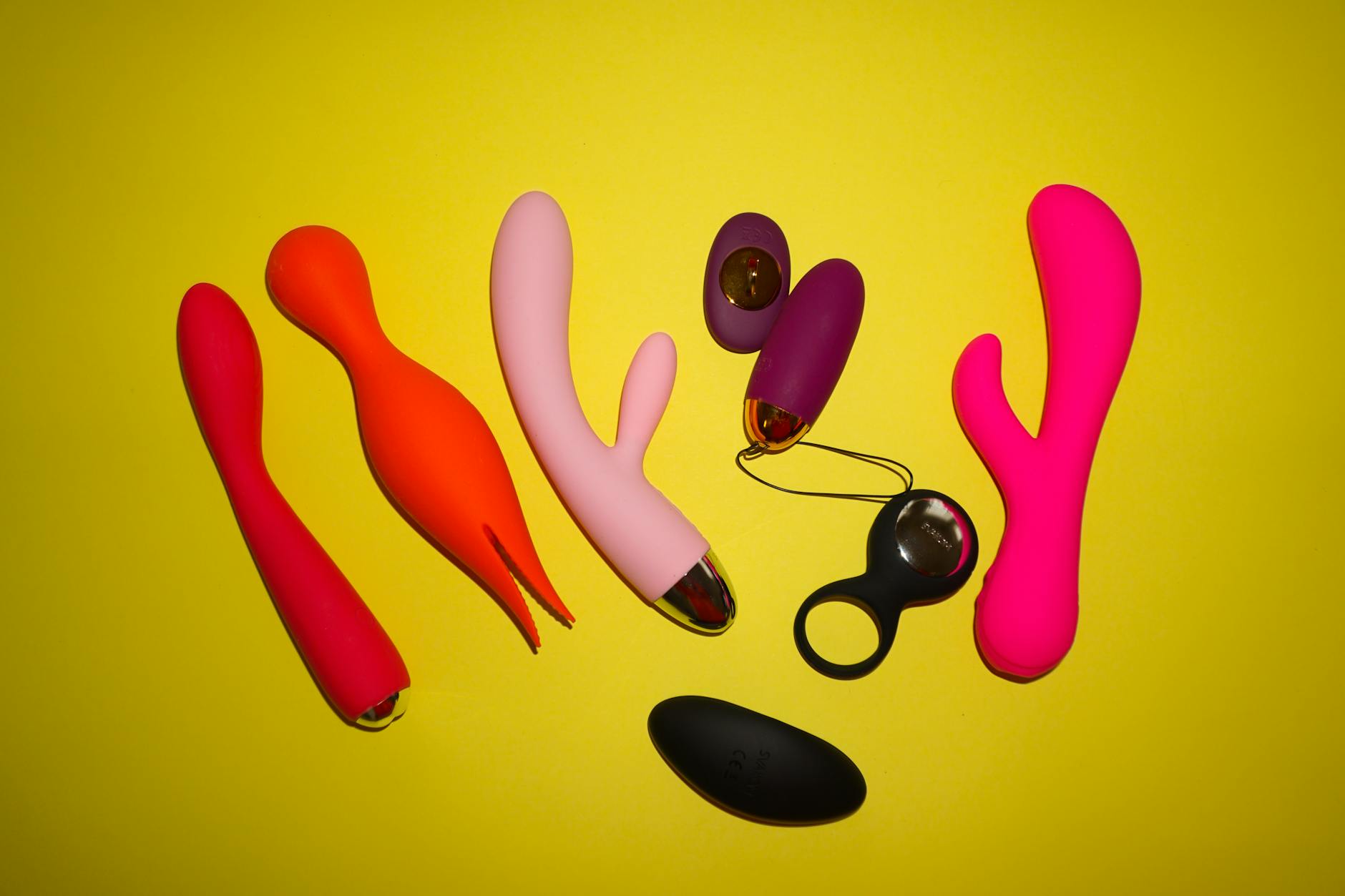
Let's talk about what's actually happening
Reduced clitoral sensitivity is one of the most frustrating shifts people encounter, and almost nobody prepares you for it. You know what used to feel electric now feels muted. Maybe it took a different medication. Maybe hormones shifted. Maybe stress has been living in your nervous system for months. Whatever the cause, the result is the same: your body isn't responding the way it used to, and that's genuinely disorienting.
Here's what matters right now. Reduced sensitivity doesn't mean you're broken. It means your clitoris needs a different approach, and lemon vibrators are one of the most effective tools for working with that shift.
Why sensation fades and what actually matters
Sensation changes because of three main culprits.
First: medication. Antidepressants, blood pressure meds, antihistamines, and even some birth controls can dull nerve response. Your clitoris still has the same number of nerve endings. The signal just travels more slowly, or the brain processes it less intensely. That's not weakness. That's chemistry.
Second: hormones. Estrogen, progesterone, and testosterone all influence how sharply your nervous system fires. When any of those shift, sensation shifts with them. This is temporary or permanent depending on what caused the change.
Third: nervous system state. If you're in chronic stress or anxiety, your nervous system stays partially braced. Your body isn't accessible to pleasure because it's busy defending. That's a very real block, and it's also very fixable with the right approach.
What matters is this: none of these situations require you to accept permanent numbness. They require a different tool and a different strategy. Lemon vibrators excel at that pivot.
How lemon vibrator suction works with low sensitivity
Lemon vibrators use suction and gentle pulsing, not vibration alone. This is wildly different from traditional vibrators, and it's why they often work when other toys don't.
Here's the mechanism. Suction creates a broadband stimulation that activates multiple nerve pathways at once. Instead of buzzing a single spot intensely, suction gently draws tissue and releases it, creating a wave of sensation. That wave is gentler than vibration, but it covers more neural territory. For someone with reduced sensitivity, that broader activation often bypasses the signal-loss problem entirely.
Traditional vibrators work best when your clitoris is already responsive. Lemon vibrators work best when you're rebuilding that responsiveness.
What to do differently when sensation feels muted
Four adjustments change the entire experience.
First: start at lower suction settings. A lemon vibrator has intensity levels. Don't assume you need maximum power. Most people with reduced sensitivity get better results starting at level 2 or 3, not level 1. This feels counterintuitive when you're numb, but it actually works. Lower suction creates easier-to-detect sensations because it's not overwhelming what little signal is getting through.
Second: lengthen your warm-up window. Reduced sensitivity almost always means arousal takes longer. Budget 20 to 30 minutes of foreplay, not 5 to 10. Use hands, a partner, or a different toy first. The goal is to get blood flowing and your nervous system into a responsive state before the lemon vibrator comes out. You're not being slow. You're being smart.
Third: focus on the outer clitoris, not the glans. When sensitivity is low, the most responsive tissue is often the visible external part and the sides of the clitoris. The glans (the tip) can feel numb while the surrounding area still has good sensation. Position the lemon vibrator's mouth more toward the upper hood and sides. You're hunting for where sensation actually lives right now.
Fourth: layer sensations. A lemon vibrator works better when you're already stimulated. Use your fingers on your inner thighs, have your partner kiss your neck, or combine the vibrator with a wand on a different spot. Multiple signals converging in your nervous system create more noticeable overall pleasure than single-point stimulation alone.
The role of arousal and nervous system state
Honestly, this is where the real unlock happens.
Reduced clitoral sensitivity is often not just a genital problem. It's a nervous system problem. If you're in fight-or-flight or freeze, blood doesn't flow to your genitals the way it needs to. Your brain literally deprioritizes sensation when it thinks you might need to run or hide.
This matters because using a lemon vibrator when you're not aroused or mentally present won't work the same way. You need to actually warm up. That means time. That means mental space. That means your body believing it's safe to feel.
If stress or anxiety is part of your situation, the vibrator isn't the solution by itself. Addressing what's keeping your nervous system activated is. That might mean talk therapy, movement, meditation, or changes to your actual life circumstances. The vibrator is a tool to use once you've created some baseline arousal. It's not a tool to fix fundamental nervous system dysregulation.
When medication is the cause
If your reduced sensitivity started after starting an antidepressant, antihistamine, or blood pressure medication, talk to your prescriber before making any changes. Do not stop the medication. But let your doctor know what's happening. There are sometimes dosage adjustments, medication switches, or timing adjustments that help without sacrificing your mental or physical health.
Meanwhile, lemon vibrators often work better than traditional vibrators specifically for people on SSRIs or similar medications. The broader, gentler stimulation sometimes bypasses the dulling effect in ways that traditional vibration doesn't. It's not a cure, but it's genuinely helpful.
What happens over time
Here's the encouraging part. If medication isn't the cause, and your nervous system isn't in permanent crisis mode, sensitivity often returns. Not always to what it was, but in a direction of improvement.
Using a lemon vibrator regularly actually helps. When you're consistent, you're training your nervous system to recognize and process sensation. You're creating a reliable context where pleasure is possible. That rewires the pathway. It's not instant, but it works.
Some people notice small changes within a week. Others take six weeks. Some plateau for a while and then shift suddenly. Track what you notice so you're not constantly wondering if anything's changing. Reduced sensitivity makes it easy to feel hopeless about pleasure returning. Data helps fight that.
The conversation you might need to have
If you have a partner, this is worth talking about. Not as a confession that something's wrong with you, but as a statement of what's currently true. "My sensation feels different right now, and I'm experimenting with what helps" is honest and clear. It opens the door to longer foreplay, more creativity, and less pressure.
Many partners feel relief when this conversation happens. They might have been worried they were doing something wrong. Knowing it's a sensitivity shift, not a relationship shift, usually helps both of you relax.
When to see someone
If reduced sensation appeared suddenly with no clear cause, especially if it came with pain or other symptoms, see a gynecologist or urologist. Some conditions like diabetes, spinal issues, or pelvic nerve damage need medical attention. A good doctor can rule out the stuff that needs intervention and reassure you about everything else.
If reduced sensation came with low mood, anxiety, or major stress, talking to a therapist (especially one trained in somatic or sex-positive work) helps. Because honestly, sometimes you can't fix sensation until you fix what's happening in your nervous system.
FAQ: Reduced Clitoral Sensitivity and Lemon Vibrators
Why does my clitoris feel numb after starting an antidepressant?
Antidepressants, particularly SSRIs, can dull sensation by changing how your nervous system processes signals. It's a known side effect, not a permanent condition, and it's worth discussing with your prescriber. Many people find that lemon vibrators work better than traditional vibrators specifically because the broader suction-based stimulation sometimes bypasses the dulling effect in ways pin-point vibration doesn't.
Can reduced clitoral sensitivity come back on its own?
Yes, often. If the cause is temporary (stress, medication adjustment, hormone fluctuation), sensitivity frequently returns as the underlying cause resolves. If it's from a medication you're staying on long-term, you'll likely need to work with tools like lemon vibrators and other adjustments rather than waiting for it to reverse. Consistent use of the right tool can help rebuild your nervous system's responsiveness over time.
Is it normal for sensation to feel different at different times of the month?
Completely normal. Hormonal fluctuations affect clitoral sensitivity throughout your cycle. Sensation is typically sharper around ovulation when estrogen is high, and more muted during the luteal phase when progesterone rises. If you track this, you might notice the best times to use your lemon vibrator for maximum sensation, or you might adjust your expectations based on where you are in your cycle.
Should I use a lemon vibrator if I'm completely numb, or will it not work?
Start with one, but manage expectations. Complete numbness suggests something more serious than reduced sensation—either a nerve issue, a significant medication effect, or a major nervous system block. A lemon vibrator might help you detect subtle sensations you've been missing, but if there's truly zero sensation, you need medical or therapeutic evaluation first. That said, the suction-based approach of a lemon clitoral vibrator is gentler and often more effective for low sensitivity than traditional vibrators, so it's worth trying if your doctor says sensation can return.
How long does it take to feel improvement with a lemon vibrator?
That varies wildly. Some people notice something within a week. Most see gradual improvement over two to four weeks if they're consistent. Some plateau for a while before sensation suddenly shifts. The key is consistency and patience, not expecting instant results. Track small changes so you notice progress that feels invisible day-to-day.
Does reduced sensitivity mean I can't orgasm anymore?
Not at all. Reduced sensitivity and difficulty with orgasm are different things. You can still orgasm even if sensation feels quieter, though it might take longer or feel less intense. Sometimes adjusting how you stimulate yourself—like using a lemon vibrator plus hands, or lengthening your warm-up—makes orgasm accessible again even with lower baseline sensitivity. The path changes, but the destination is still reachable.
The bottom line
Reduced clitoral sensitivity is real, frustrating, and temporary more often than you think. Lemon vibrators are specifically designed to work when sensation feels muted because they use suction rather than vibration alone. That broader activation often works when traditional toys don't.
You deserve sensation. You deserve pleasure. It might look different right now, but it's absolutely possible to rebuild. If you're interested in exploring what works for your body specifically, reaching out is a good first step.