Here's what actually changes during ovulation
Your body is not being dramatic. During ovulation, estrogen peaks, blood flow to the vulva increases, and nerve sensitivity genuinely heightens. Your clitoris becomes more engorged, the tissue more reactive, and your threshold for stimulation literally shifts. This isn't a mood thing. It's biology.
The result: sensations that felt balanced last week feel intense now. The vibration intensity you love on day 10 of your cycle might feel overwhelming on day 14. And because arousal comes faster mid-cycle (thanks to testosterone spike), you might find yourself building to orgasm with less warm-up time. That's not always comfortable if your device is still set to the same pattern and speed you used when you were less sensitive.
Why lemon vibrators respond differently at this time
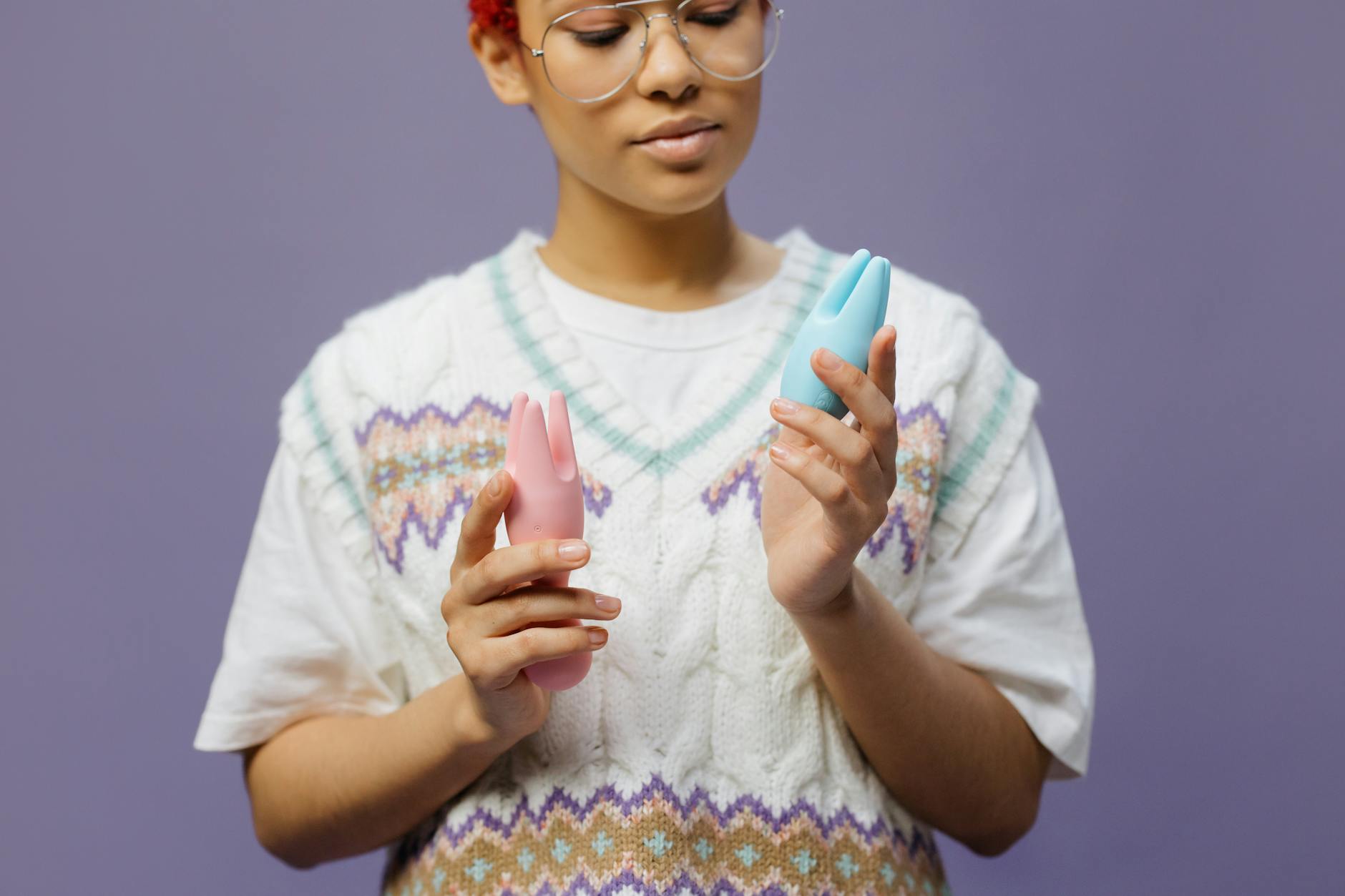
Lemon clitoral vibrators like the ones from My Lemon Sexual Toy use air-suction technology combined with vibration patterns. During ovulation, when tissue is more sensitive and engorged, this design has a specific advantage: you're not relying purely on intense direct vibration, which can feel too sharp or overwhelming. The suction component gives you stimulation without the same mechanical intensity.
But here's the thing. Even air-suction vibrators need adjustment during your high-sensitivity window. The patterns that worked beautifully when you were less sensitive need recalibration. Think of it like turning up the volume on headphones mid-song. The song hasn't changed, but suddenly it's too loud.
The adjustment framework: speed, patterns, and timing
I work with clients who track their cycle and their pleasure, and three adjustments tend to make a real difference.
First: start lower on the intensity dial. If you normally begin on pattern 3 or 4, try pattern 1 or 2 during ovulation. Your sensitized tissue will respond faster. You're not missing anything. You're respecting your body's current state.
Second: pay attention to pattern shape, not just speed. Pulsing patterns often feel more manageable during high-sensitivity days than continuous vibration. The rhythm gives your nervous system micro-breaks, which reduces that "too much" feeling even when you're aroused.
Third: extend your warm-up slightly. Counterintuitive, right? But because arousal happens faster mid-cycle, your body can reach peak sensitivity before your mind catches up. Spending an extra 5-10 minutes on low intensity gives your nervous system time to integrate the sensation without overload. You're training your body to enjoy intensity gradually, not starting there.
The arousal-to-sensation mismatch you might notice
Here's what I hear most often: "I get wet faster, I feel aroused immediately, but the actual sensation feels sharper and less pleasurable." That's the mismatch. Your arousal system and your sensation system are on slightly different timelines during ovulation.
This is where patience with your device matters. A lemon clitoral vibrator gives you control (low patterns, high patterns, pulsing options). But control only helps if you use it intentionally. Let your arousal build first. Stay at lower patterns for longer. When you do increase intensity, do it gradually. Your sensitivity during ovulation is a feature, not a bug. Using it wisely means starting slow enough that you can actually enjoy the ride.
When ovulation amplifies pleasure instead of making it uncomfortable
Some people find ovulation week is their best pleasure week. Arousal comes faster, orgasms feel deeper, and even gentle stimulation creates strong sensation. If that's your experience, you can absolutely use that. Keep your regular intensity and pattern. You'll probably notice faster arousal, stronger sensation, and potentially quicker or more intense orgasms.
But track it. Just because you can use high intensity doesn't mean you'll always want to. Ovulation week varies. Sometimes the heightened sensitivity is genuinely pleasurable. Sometimes it tips into discomfort. The only way to know your own pattern is to pay attention across a few cycles.
The partner factor during your fertile window
If you're using lemon vibrators with a partner during ovulation, the conversation gets simpler if you're tracking cycle sensitivity. You can literally say: "I'm in my sensitive week. Let's use lower patterns tonight." No negotiation needed. No "it's not you." Your body is responding to biology, and adjusting the tool meets that biology.
Many couples find that ovulation week is their most connected time sexually, partly because desire peaks and partly because heightened sensation can create deeper physical intimacy if the stimulation matches your body's current state. A device you can control and adjust (like lemon vibrators with variable patterns) helps that happen.
How to track what works for your cycle
Three data points matter: day of cycle, intensity level you used, and how it felt (too much, just right, not enough). You don't need an app. A note in your phone works. After three months, patterns emerge. You'll know whether day 13 always feels more sensitive, whether pulsing feels better than continuous vibration during ovulation, and whether you need lower starting intensity.
This isn't about optimization or performance. It's about knowing your own body well enough to use tools that actually serve you, not fight you. That knowledge compounds. Your second ovulation cycle of tracking will feel less experimental than your first.
What to avoid during your high-sensitivity window
Don't push through discomfort thinking it'll "build up." If a pattern feels too intense, it's too intense. Lowering intensity isn't failure. It's listening.
Don't assume your whole cycle works the same. The arousal and sensitivity you feel on day 10 isn't the same as day 14. Treating them the same means either wasting pleasure or creating unnecessary discomfort.
Don't skip warm-up because arousal comes faster. Faster arousal doesn't mean you're "ready" for maximum intensity. Your nervous system needs time to adjust. Give it that time.
Making ovulation week work for you
Your cycle isn't static. Your pleasure follows biology. A lemon clitoral vibrator is designed to give you control over intensity and pattern, which means you can meet your body where it actually is mid-cycle, not where it was last week. Starting lower, choosing pulsing patterns, and extending warm-up time isn't compromise. It's alignment. And when you align the tool to your body's actual state, that's usually when pleasure peaks.
If you want more clarity on how heightened sensation affects you specifically, how lemon vibrators help when clitoral sensitivity increases with age covers broader sensitivity shifts across time. For cycle-specific questions, how lemon vibrators help when you're starting over sexually after a long hiatus walks through adjusting to your body's signals in real time.
People also ask
Why does my clitoris feel sore during ovulation?
Increased blood flow and engorgement during ovulation can create sensitivity that feels like soreness, especially if you're using the same vibration intensity you used earlier in your cycle. Your tissue is literally more swollen and reactive. This usually resolves with lower starting intensity and slower warm-up. If soreness persists or worsens, check whether you're starting too high on the intensity dial or whether you need longer warm-up time. If it continues across cycles, mention it to a healthcare provider.
Can I use lemon vibrators on my fertile days if I'm trying to conceive?
Yes. Pleasure during ovulation doesn't interfere with conception. However, if you're tracking ovulation carefully, keep in mind that orgasm can create uterine contractions, which some research suggests might move sperm. If you're timing intercourse precisely, solo pleasure with a lemon vibrator works fine outside that window. If you're using vibrators with a partner during your fertile window, there's no harm, just individual preference on timing.
Does ovulation change how long it takes to orgasm?
Often, yes. Mid-cycle, arousal accelerates and sensation intensifies, which typically means orgasm comes faster. But "faster" doesn't always feel better if your intensity is too high. If you're used to 15-minute sessions and suddenly hit orgasm in 8 minutes at ovulation, that's your body responding to hormones, not a problem. Adjust expectations and intensity downward if the speed feels jarring.
Should I use a different device during ovulation?
Not necessarily. If your current lemon clitoral vibrator has adjustable patterns and intensity, that's usually enough. What changes isn't the device. It's how you use it. Lower patterns, pulsing options, and longer warm-up deliver what your body needs during your sensitive window. You don't need new equipment. You need intentional adjustment.
Is heightened sensation during ovulation always pleasurable?
Not for everyone. Some people find ovulation week genuinely more pleasurable. Others find heightened sensitivity uncomfortable. Both are valid. If you're in the second group, lowering intensity and extending warm-up might help. If it doesn't, that's information too. Some bodies simply work better with pleasure outside the ovulation window, and that's fine.
What pattern works best during ovulation?
Most people I work with find pulsing or rhythmic patterns more comfortable than continuous vibration during their high-sensitivity window. But this varies wildly. Track a few cycles. Try one pulsing pattern at low intensity, one continuous pattern at low intensity, and note which felt better. Your preference will emerge fast. Honor it.
What comes next
Cycle tracking for pleasure sounds clinical, but it's actually deeply practical. You stop fighting your body and start using tools that match what's happening inside. A lemon vibrator, used with awareness of your cycle, becomes more effective because you're adjusting intensity to your actual sensitivity, not guessing. That shift from guessing to knowing changes everything.
If you're ready to explore how your body responds across your cycle, start here: lower intensity during ovulation, pulsing patterns over continuous vibration, and extended warm-up. Track what works. Your second cycle will teach you more than your first.
Questions about cycle-aware pleasure or how to adjust your approach? Reach out at /contact. We're here.