
Let's start with what the hesitation actually is
Here's the thing: when your partner says "I'm not sure about that," what they're usually saying is "I'm worried this changes something between us." It's not really about the lemon vibrator. It's about vulnerability, comparison, fear of inadequacy, or concern that you're unhappy. Once you understand that, the whole conversation shifts.
I've worked with hundreds of couples navigating this exact moment. The ones who move forward successfully aren't the ones who convince. They're the ones who make space for the real worry underneath.
Why partners hesitate (and why it's not what you think)
Most hesitation falls into three buckets. None of them are rational, but all of them are real.
1. The adequacy fear. Your partner wonders if you need this because they're not enough. A lemon clitoral vibrator, in their mind, might look like evidence they're failing. This is rarely about the toy. It's about whether they feel desirable and capable of making you feel good. Reassurance alone doesn't fix this, but understanding it does.
2. The unknown discomfort. New things feel risky. Adding a sexual device into something intimate can feel like introducing a stranger into your bedroom. That's a real adjustment, even if intellectually they understand it's just a tool. The nervous system doesn't always catch up to logic.
3. The cultural messaging. Depending on how your partner was raised, sex toys might carry shame, or imply desperation, or feel like "extra." They may have absorbed the idea that "real" sex shouldn't need tools. That messaging runs deep and doesn't disappear with a single conversation.
The conversation that actually works
Don't start with the toy. Start with what you want.
Step 1: Choose the right moment. Not during sex. Not when either of you is tired or stressed. A quiet evening when you're both relaxed and have no agenda. Coffee. A walk. Somewhere you can both think clearly.
Step 2: Lead with desire, not deficit. "I've been thinking about what makes me feel really good, and I'm curious about trying something new" is radically different from "I want a toy because regular sex isn't working." The first is about exploration. The second sounds like complaint.
Step 3: Make it about both of you. "I want to explore this with you" matters enormously. It signals that this isn't something you're doing solo or secretly. You're inviting them into the discovery.
Step 4: Ask them what concerns them. Then listen without defending. If they say "I don't know if I'll feel left out," resist the urge to immediately tell them why they won't. Instead: "That makes sense. What would help you feel included?" This is the actual hinge point. They feel heard, and the solution becomes collaborative rather than defensive.
Three reframes that work when hesitation persists
Reframe 1: It's an addition, not a replacement. Make this concrete. "I love when we do X together. This would just be another way we can both feel good. We're not replacing anything." If your partner still isn't certain, ask them to imagine the best version of what this could look like. Often hesitation dissolves once they're visualizing something specific rather than resisting an abstraction.
Reframe 2: It's about your pleasure, which he benefits from. Some partners shift when they understand that when you feel more pleasure, the whole experience improves. You're more relaxed, more responsive, more present. A lemon vibrator isn't happening to him. It's happening for him too, in a real way.
Reframe 3: You can start without the toy. This one is a game-changer. If your partner is nervous about introducing a device, begin by focusing on the sensation of suction play manually. Use your mouth. Understand what the sensation is like together before anything else arrives. Then, when you introduce a lemon clitoral vibrator later, it's not shocking. It's a natural evolution of something you've already explored. This removes a massive amount of the strangeness.
When to say "I'm doing this anyway" (gently)
Here's what I tell couples: your pleasure is non-negotiable. Your partner's comfort matters. Both things are true.
If after real, patient conversation your partner says "I'm just not comfortable with this," you have options. One of those options is "I understand. And I'm still going to explore this on my own. I hope you'll eventually be curious, but I'm not waiting for permission." This isn't confrontational. It's clear about your needs.
However, most of the time, this situation doesn't arise. Once hesitation is actually understood and addressed, curiosity often follows. What looked like a "no" was often just "not yet."
Introducing the tool after the conversation
Once your partner has agreed to try, keep the first experience low-pressure.
Don't spring the device on them mid-sex. Introduce it when you're both clothed, relaxed, and can actually look at it together. Let them hold it. Let them see that it's designed, intentional, and actually kind of beautiful. The lemon vibrator design is particularly good for this because it's visually distinct from traditional vibrators. It looks like something, not just a generic stick.
When you do use it together, start with your partner having control, or at least being very close to you. They can watch, touch your body, stay connected. This prevents the feeling of being left out. Many partners move from hesitant to genuinely enthusiastic once they see how your body responds and realize they're part of that moment.
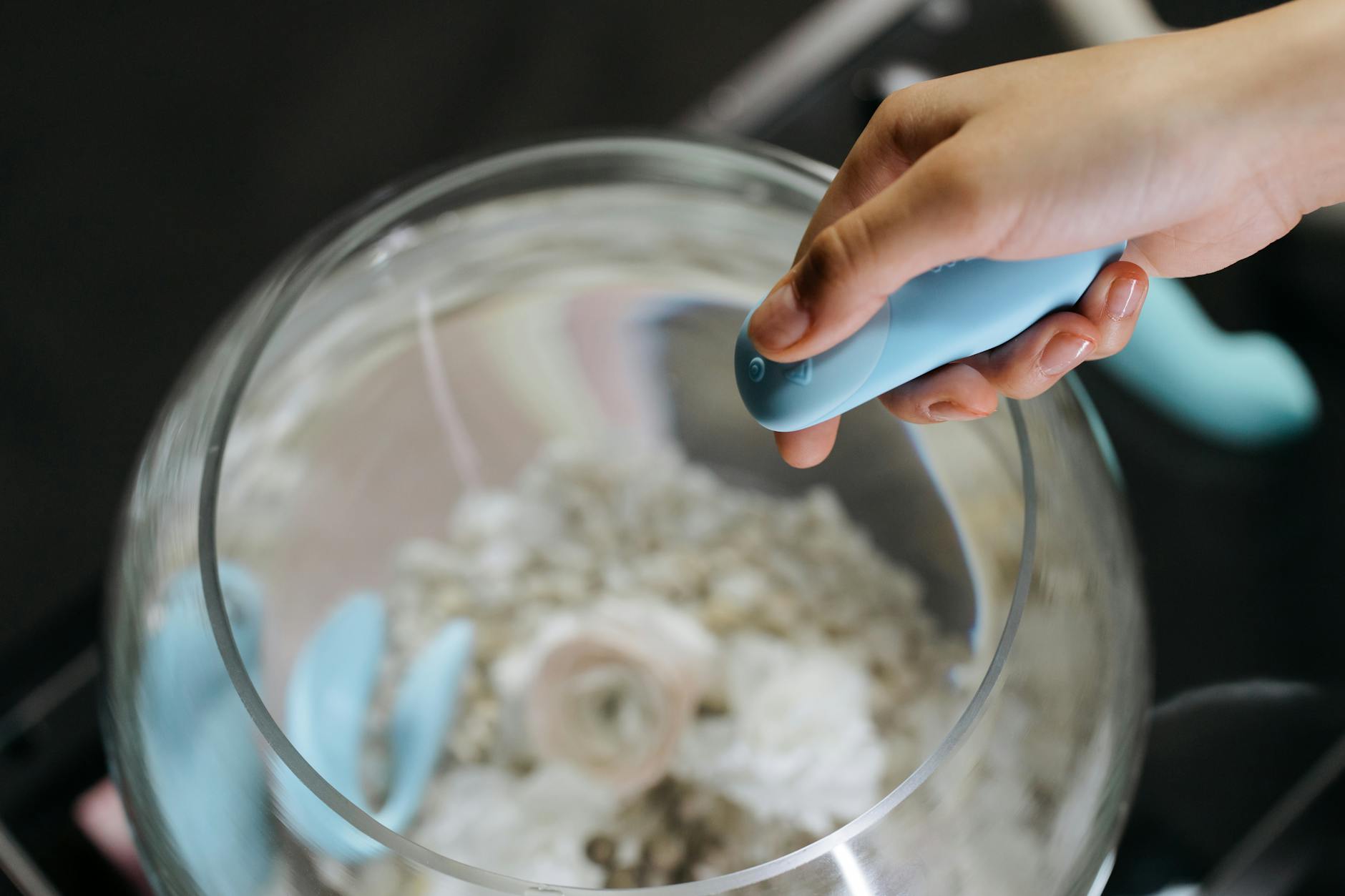
Photo by cottonbro studio on Pexels
What to do if resistance becomes a real problem
If your partner's hesitation is actually resistance, and it's part of a larger pattern where they dismiss your needs or shame your sexuality, that's not a toy problem. That's a relationship problem. Consider whether this is someone you want to stay vulnerable with long-term. Sometimes a lemon vibrator is just a lemon vibrator. Sometimes it's a symptom of something deeper that needs proper attention, possibly with a therapist.
For most couples, though, hesitation fades once the actual conversation happens. Partners realize the toy isn't threatening. It's actually exciting. And their role doesn't shrink. It expands.
People also ask
How do I know if my partner's hesitation is about the toy or about something else?
Ask directly. "Is this about the vibrator itself, or is there something else going on?" Listen to the answer without jumping to fix it. Often the real concern is something like "I worry you're not satisfied with me" or "I'm scared this means something is wrong with us." Those are relationship questions, not toy questions. Once you address the actual fear, the tool becomes much less fraught.
What if my partner says they feel threatened by the idea?
Validate that feeling first. "I hear you, and that matters to me." Then be specific about what the tool does and doesn't do. "This creates a sensation that my body responds to. It's not about you being inadequate. It's about adding something new that we can explore together." If they're still worried, offer to start with them controlling it, or being very physically close while you use it. Involvement reduces threat.
Is it better to bring it up before or after sex?
Before. Always before. Bringing it up after creates the impression you're dissatisfied with what just happened. Bringing it up during a neutral moment, when you're both calm and focused, makes it a conversation about exploration, not complaint. And never introduce the toy during sex the first time without explicit agreement beforehand.
How long should I wait if my partner says they need time to think about it?
Give them real time, but not endless time. A week is reasonable. Two weeks is probably enough. If they're still saying "I need to think" after a month, you're not dealing with hesitation anymore. You're dealing with avoidance, and that's worth a separate conversation. "I respect that you want to think about this. And I also need to know where you stand so I can make my own decision about what I want." Sometimes a gentle timeline helps people move from rumination to an actual answer.
Can we try a lemon vibrator without my partner knowing first?
No. Not if you want to maintain trust. If your partner discovers you've been using a toy privately and didn't mention it, hesitation becomes betrayal. Keeping something secret because you're afraid of their reaction usually means there's a larger conversation you need to have about control or shame in your relationship. Start there.
What if my partner wants to use it but feels awkward about it?
Ackwardness is totally normal and often just means you're doing something new. Make it light. Make it playful. You don't have to perform expertise. You're learning together. Start with a low intensity setting on the lemon vibrator. Talk during. Laugh if you need to. Awkwardness usually dissolves pretty quickly once you're actually in the moment and realizing this is a really good sensation, not a big scary thing.
What happens next
Once hesitation moves into curiosity, most partners become genuinely enthusiastic. They realize the lemon suction sensation feels different than vibration, that your body's response is visible and hot, and that they're not being replaced. They're being invited into something better.
The couples who do this successfully aren't braver than the ones who don't. They're just willing to have one honest conversation first. Your pleasure matters. Your partner's comfort matters. Those aren't in conflict if you approach this like teammates instead of adversaries. They are. Get Hello Nancy on your side, get the conversation right, and the hesitation usually disappears.