When stress blocks everything
Here's the thing about anxiety. It doesn't just mess with your head. It takes over your entire nervous system, which means your body stops responding to touch the way it normally would. You're aroused mentally but your clitoris feels numb. Or you want to have pleasure but your jaw stays clenched and your shoulders won't drop. The disconnect is real, and it's not your fault.
Stress triggers your sympathetic nervous system, the one that prepares you to fight, flee, or freeze. When you're stuck there, parasympathetic activation (the "rest and digest" mode where arousal actually happens) becomes nearly impossible. No amount of willpower fixes this. Your body needs a different signal.
Why regular vibrators often don't work when you're tense
Most clitoral vibrators rely on direct friction. They need your nervous system to already be downshifting into pleasure mode. If you're anxious, that friction can feel irritating instead of arousing. It just adds more stimulation to an already overstimulated system.
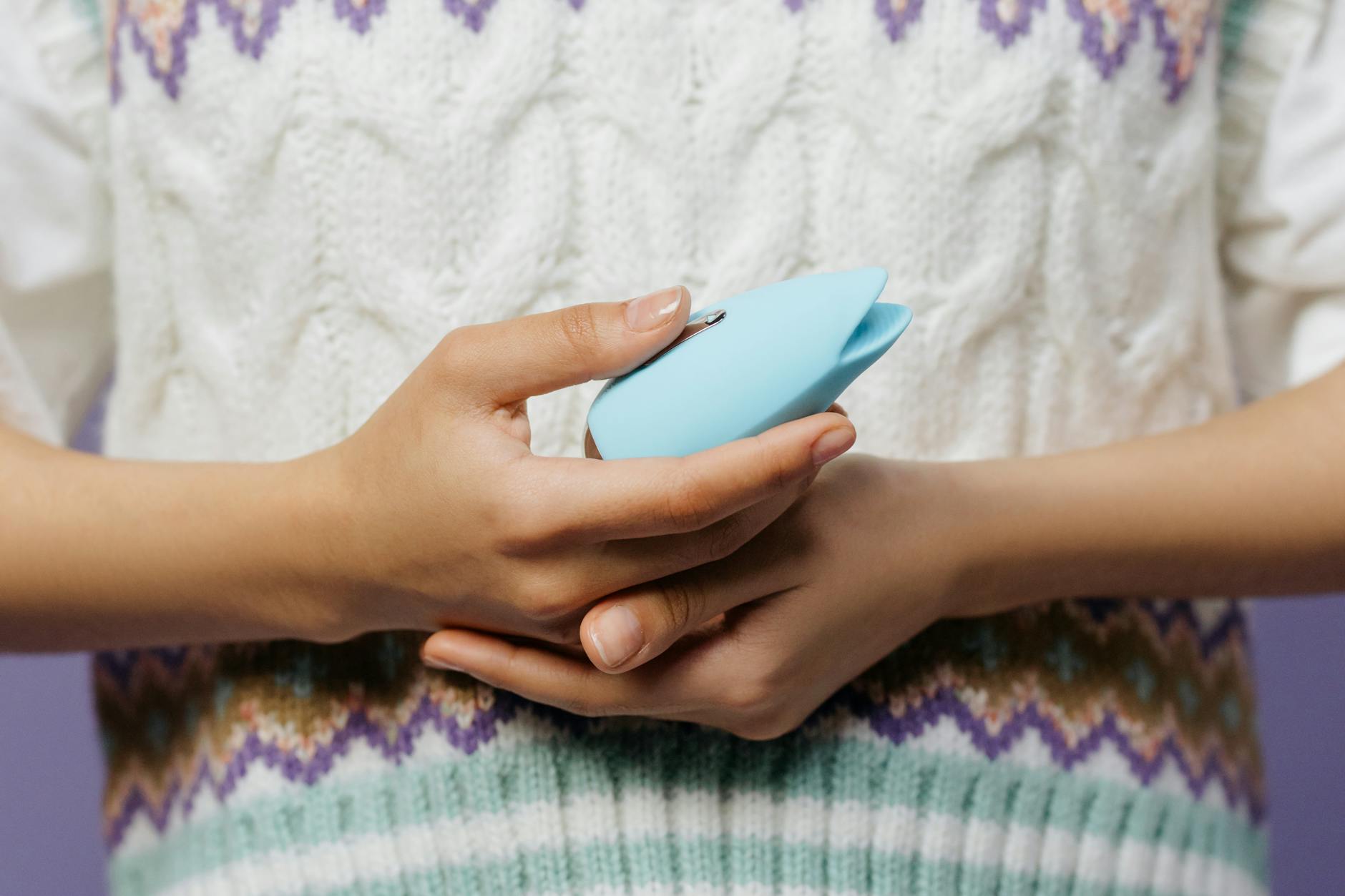
Lemon vibrators work differently. The suction mechanism doesn't demand the same kind of mental engagement. You don't have to think about pressure or rhythm or whether you're "doing it right." The sensation is gentler, more enveloping, and it often triggers a parasympathetic response almost immediately. Your body can relax into it instead of tensing up against it.
The nervous system reset that actually happens
When you use a lemon clitoral vibrator while anxious, something counterintuitive occurs. The gentle suction activates different nerve pathways than vibration does. Your vagus nerve, which runs from your brain down through your pelvis, starts to engage in a calming way. This is why users often report feeling less tense even before any orgasm happens.
I work with couples where one partner is managing anxiety disorders, and the pattern is consistent. They tell me the lemon vibrator doesn't feel like "another thing to achieve." It feels like permission to stop thinking and just feel. That distinction changes everything. Your cortisol (stress hormone) can actually drop when you're receiving this kind of gentle, non-demanding stimulation.
Getting your mind out of the way
Anxiety loves a vacuum. The moment you're trying not to think about work or money or whether you're doing this "wrong," your brain doubles down on worry. You need something compelling enough to demand your attention without demanding performance.
Start with a pattern on the lower settings. Don't aim for orgasm. Instead, set a simple goal: stay present for five minutes. Notice where you feel the sensation. Does it spread? Does your breathing shift? Are your shoulders a tiny bit less tight than they were sixty seconds ago? That's the win. Your nervous system is beginning to downshift.
Many people find that using a lemon vibrator while doing something grounding helps. Some partners use it while lying together without pressure to do anything else. Some people use it while listening to a guided meditation or music they love. The vibrator becomes part of a broader signal to your body that it's safe to let go.
The physical markers that tension is releasing
When your nervous system starts coming offline from stress mode, you'll notice small shifts. Your breathing deepens. Your hands uncurl. You might yawn. Tears might come. None of these mean you're broken. They mean your system is finally processing and releasing what it's been holding.
If you're using a lemon vibrator and you hit a moment where you just want to cry, that's not a sign to stop. That's a sign something is working. Your parasympathetic nervous system is finally waking up and letting go of some of that held tension. Honor that.
Building the routine that tells your body it's safe
Anxiety thrives on chaos and unpredictability. Your body needs the opposite. If you can set aside even fifteen minutes on a regular schedule to use a lemon vibrator for reconnection (not performance), your nervous system starts to anticipate that window of safety. Your cortisol actually begins to drop before you even start, just because your brain recognizes the signal.
This is why consistency matters more than intensity. Three times a week for ten minutes is more neurologically helpful than one frantic attempt to "fix" things. Your body learns that pleasure is a regular, gentle practice, not something you have to force or achieve under pressure.
When a partner is involved
If you have a partner, this shifts the dynamic significantly. Watching someone you care about use a lemon vibrator while calm and present, without goal-focus, often helps the partner relax too. They're not waiting for your orgasm. You're not performing for them. You're both just noticing what happens when pressure drops.
Some couples find that one partner using a lemon clitoral vibrator while the other just holds them creates a kind of reconnection that physical sex alone doesn't. There's intimacy without performance. There's touch without demand. For anxious systems, that's often more healing than anything else.
The anxiety myths that keep people stuck
You don't need to be completely calm before you can feel pleasure. That's a myth that keeps anxious people stuck. You use the lemon vibrator to help create calmness, not as a reward after you've already achieved it.
You also don't need to orgasm for it to work. Sometimes the goal is just sensation. Just presence. Just a nervous system that's slightly less contracted than it was an hour ago. That's success. That's the point.
When to layer in other tools
If anxiety is clinical and ongoing, a lemon vibrator is a wonderful addition to managing it, but it's not a substitute for real support. Therapy, movement, nutrition, sometimes medication. These things matter and they matter deeply. A lemon clitoral vibrator is something you add to a life that's already getting grounded support, not something that fixes an untreated anxiety disorder.
That said, once you're getting real support, the addition of a tool like this can accelerate nervous system healing. You're giving your body multiple signals that safety is possible and pleasure is available even during hard seasons.
Getting past the guilt
Many anxious people feel guilty about "needing" a tool to feel pleasure. Like they should be able to just relax and enjoy things. That guilt is its own form of tension. Let it go. Every tool humans use is designed because our bodies sometimes need help accessing what should be natural. A lemon vibrator isn't cheating. It's smart nervous system management.
Your pleasure matters. Your nervous system deserves care. The fact that you need a little extra help during stressful seasons doesn't diminish that. It just means you're being thoughtful about what actually works for you.
The long game
The real shift happens over weeks and months, not in a single session. As you regularly use a lemon vibrator while your nervous system is calming down, something deeper happens. You begin to remember what relaxation feels like. Your body learns that pleasure and calm are linked. You start to access that state more easily in other parts of your life too.
Many people tell me that this practice alone starts to shift their baseline anxiety. Not because pleasure is magic, but because you're teaching your nervous system, repeatedly, that it's safe to let go. That's the actual medicine.
Frequently asked questions
Can I use a lemon vibrator if I'm on anxiety medication?
Absolutely. Some medications can affect sensation or orgasm, but that's actually where a lemon clitoral vibrator often helps. The suction mechanism often works better for people on SSRIs because it doesn't depend on the same nerve pathways that medications sometimes affect. If you're worried about interactions or sensation changes, that's a conversation for your doctor, but using a vibrator is fine.
How long does it take before I feel less anxious using a vibrator?
Some people feel a nervous system shift within the first session. Others need three to five regular uses before they notice the parasympathetic activation starting. Everyone's baseline is different. The key is consistency, not intensity.
What if I use the vibrator and feel more anxious, not less?
That can happen if you're going too intense too fast, or if you're still goal-focused on orgasm. Try dropping to the lowest setting and removing any goal except noticing your breath. Sometimes anxiety actually needs to be felt and released before pleasure can land. If it gets worse instead of better after five sessions, check in with a therapist. There might be something deeper happening.
Is it okay to use a lemon vibrator for anxiety relief even if my partner doesn't know?
Yes. Your nervous system health and your relationship can both be private. That said, if you're in a partnership and stress is affecting your sexual connection, eventually having a conversation about what helps you calm down is probably worth it. But no, you don't need permission to care for yourself.
Can lemon vibrators actually lower cortisol?
Research on pleasure and nervous system activation shows that parasympathetic engagement does reduce cortisol. Is a vibrator a cortisol-lowering tool by itself? Not directly. But it's a tool that helps your nervous system access the state where cortisol naturally drops. That's a meaningful difference.
What if I've tried other vibrators and they didn't help with anxiety?
Lemon clitoral vibrators use a completely different mechanism than traditional vibrators. If you were using something with direct vibration, the gentler suction of a lemon vibrator might feel completely different to your anxious system. It's worth trying even if you've had other devices before.
When stress and anxiety have taken over your body, reconnecting with pleasure feels impossible. But it's not. It just requires a different approach, one that meets your nervous system where it actually is instead of where you think it should be. A lemon vibrator, used consistently and without pressure, can be the tool that helps you remember what calm feels like. And from there, everything else becomes easier.