
Let's talk about what relationship trauma does to your body
When someone breaks your trust, it doesn't just live in your head. It gets stored in your nervous system. Your body learns to brace, to doubt its own instincts, to second-guess signals that used to feel clear. Rebuilding sexual confidence after betrayal isn't about convincing yourself you're "fine." It's about teaching your nervous system that pleasure can be safe again, that your body belongs to you, and that solo exploration is both an act of healing and an act of power.
That's where tools like a lemon vibrator come in. Not as a fix. As a practice in reclamation.
Why solo pleasure is different after trauma
When you've been hurt by a partner, intimacy with another person carries weight. Touch can trigger. Vulnerability can feel dangerous. But solo pleasure is something entirely different. It's not about performance, reciprocity, or someone else's needs. It's about you, your body, your pace, your consent in every single moment.
This matters because trauma survivors often need to rebuild the basic infrastructure of pleasure before partnered sex makes sense again. You're essentially rewiring the neural pathways between your body and the feeling of safety. A lemon vibrator is a tool for that rewiring because it gives you control, predictability, and the ability to pause or stop instantly.
Many of my clients say that solo pleasure became the first place they felt truly present in their own bodies again. Not rushed, not watched, not obligated.
Starting with nervous system safety
Before you even think about sensation, your nervous system needs to know it's safe. That means a few things:
Create physical safety first. Lock the door. Turn off notifications. Tell yourself you can stop at any moment, for any reason. Write it down if it helps. Your body needs to know there's no ambush, no performance pressure, no judgment.
Start with no expectations. The first time you use a lemon vibrator during recovery, the goal isn't orgasm. It's just familiarization. Turning it on. Noticing what the vibration feels like. Building a new memory that says "this is mine, this is okay, this feels good."
Breathe through the weirdness. Pleasure can feel strange or even guilty when you're healing. Your brain might whisper that you don't deserve it, or that it's disloyal to your past self. That's trauma talking. Breathe through it. Notice the thought without believing it.
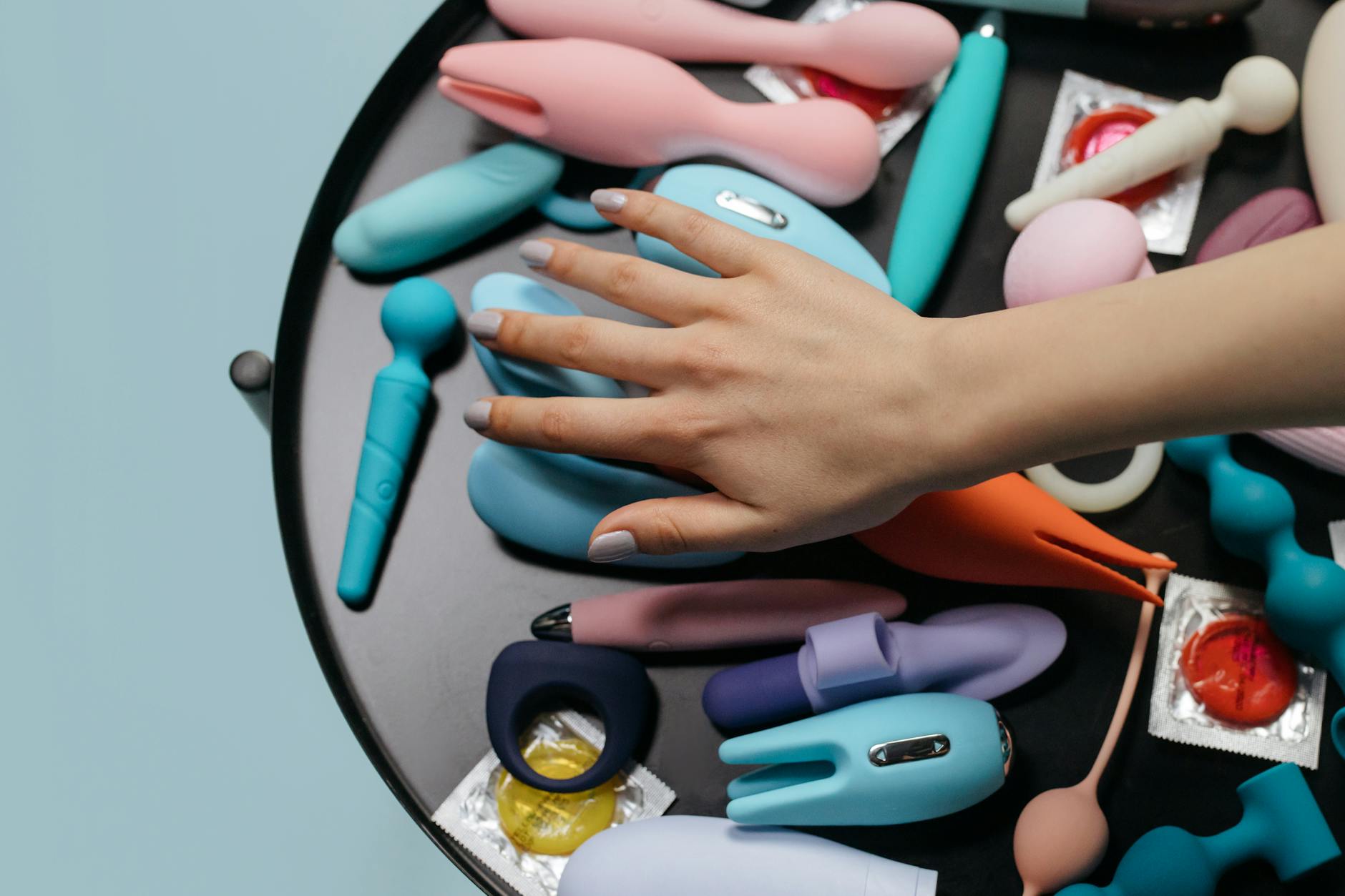
Photo by cottonbro studio on Pexels
Why lemon clitoral vibrators work so well for trauma recovery
Lemon vibrators offer something specific that helps trauma survivors. They use suction and gentler pulse patterns instead of relentless vibration. That means you can build sensation slowly, without the intensity that sometimes triggers people who've experienced physical violation. You control the pressure, the pattern, the rhythm. Nothing surprises you.
The Lem vibrator, specifically, starts low and builds gradually. You're not jolted into sensation. You ease into it. That pacing matters when your nervous system is still learning to trust.
Because lemon sexual toys work differently from traditional vibrators, you're also creating new neural pathways. Your body isn't replaying old sensation. It's building fresh memories, new associations between pleasure and safety.
Pacing your exploration
There's no timeline for this. You might spend two weeks just turning the toy on and off, learning how it feels in your hand. You might spend a month exploring the different settings before you ever use it on your body. That's not slow. That's exactly right.
When you do make contact, start at the lowest setting. Notice what you feel. If your body tenses, pause. That's information, not failure. Tensing means your nervous system is still processing. It doesn't mean you're broken or that healing isn't working.
Some people benefit from a ritual around exploration. A specific time of day. A particular playlist. Lighting that feels safe. These anchors help your body predict what's about to happen, which reduces nervous system activation.
With a lemon clitoral vibrator, you might find that gentle suction feels less invasive than vibration ever did. You might discover new kinds of pleasure that have no traumatic associations attached. That's the point.
Working with sensation memory
Trauma survivors sometimes experience intrusive thoughts or flashbacks during intimate moments. If that happens while you're using a lemon vibrator solo, you have options. You can pause. You can breathe. You can ground yourself in the present moment by naming what you actually sense: "My feet are on the carpet. My hands are warm. This toy is humming at pattern 2. I'm safe."
You don't have to push through the thought. Pushing usually makes it stronger. Instead, you notice it, acknowledge it, and gently come back to what's happening right now.
Over time, these micro-moments of presence accumulate. Your nervous system starts to learn that pleasure and safety can coexist. That this particular sensation belongs to you and no one else.
When you're ready to involve a partner
If partnered sex becomes relevant again, the skills you've built solo matter enormously. You know what your body responds to. You know your pacing. You've practiced saying what you need and stopping when something doesn't feel right.
A conversation about using a lemon vibrator together is very different from introducing toys after trauma because you've already done the solo work. You're not asking your partner to "fix" you or make you feel pleasure. You're inviting them into something you've already reclaimed. That's powerful.
Many couples find that exploring lemon vibrators together actually helps trauma survivors feel more in control during partnered sex because you're still setting the pace, still calling the shots.
What to avoid
Don't use lemon vibrators to numb or dissociate. If you notice you're spacing out, escaping, or using it to avoid emotion rather than process it, that's a signal to slow down and maybe talk to a therapist. Pleasure should bring you into your body, not out of it.
Don't compare your healing timeline to anyone else's. Someone else might feel ready for partnered sex in three months. You might need three years. Both are fine. Trauma healing isn't a race.
Don't judge yourself for the thoughts that come up. Guilt, shame, conflicting emotions about your body. They're all normal. They're not evidence that you're doing something wrong.
The bigger picture
Using a lemon vibrator during trauma recovery is ultimately about one thing: teaching your nervous system that your pleasure matters. That your body is yours. That you get to decide what happens to it, and when, and how. That's not frivolous. That's foundational.
If you're working with a therapist, mentioning this practice can be genuinely helpful. Many therapists who specialize in trauma recognize that solo pleasure work is part of healing. You're not being inappropriate. You're doing deep nervous system work.
Healing isn't linear. You might have sessions where everything feels easy, and then a triggering date comes around and you need to start smaller. That's okay. The lemon vibrator will be there, at whatever pace works for you.
People also ask
Is it normal to feel guilty using a vibrator after relationship trauma?
Completely normal. Trauma often comes bundled with shame, and your brain might tell you that pleasure is disloyal to your past self or a betrayal of what happened. That's the trauma talking, not the truth. Pleasure is an act of reclamation. It's you telling your nervous system that your body still belongs to you, and that feeling good is not only allowed, it's part of healing. Many trauma survivors tell me that the first time they felt genuine pleasure again, they cried. That's not weakness. That's breakthrough.
Can using a lemon vibrator trigger flashbacks?
It's possible, especially early in recovery. That's why starting slow and creating physical and psychological safety first matters so much. If flashbacks do happen, pause, ground yourself in the present moment, and remember that you're in control. You can stop anytime. Some people benefit from building in a grounding ritual before and after. Others work with a trauma-informed therapist on how to handle intrusive thoughts. A lemon vibrator isn't designed to trigger you, but your nervous system might be sensitive. Honoring that sensitivity is part of the healing process.
How long should I wait after a traumatic relationship before using a vibrator?
There's no specific timeline. Some people feel ready within months. Others need a year or more. The question isn't how long you should wait, but whether you feel genuinely curious and safe. If you're using it to escape pain or numb yourself, that's different from using it as part of intentional pleasure work. Check in with yourself. If you're working with a therapist, ask them. There's no "right" moment except the one that feels right to you.
What if I don't feel pleasure the first time?
That's expected. Trauma can numb sensation or make your nervous system too activated to feel much of anything. That doesn't mean the tool isn't working. You're building new neural pathways, and that takes repetition and patience. Some people don't feel significant pleasure until they've practiced five or ten times. Others find that the first breakthrough comes weeks later, almost by surprise. Stay curious instead of results-focused. The exploration itself is the point.
Can I use a lemon vibrator if I'm also in therapy?
Absolutely. Many trauma-informed therapists actually encourage solo pleasure work as part of nervous system healing. If you're working with a therapist, you might mention it during a session. They can help you understand what comes up emotionally and build a practice that feels aligned with your healing. Solo pleasure and professional therapy work well together.
Should I talk to my partner about my trauma recovery using a vibrator?
That's entirely your choice, depending on what feels safe. If you're in a relationship, eventually that conversation might become relevant. But early in solo exploration, you don't owe anyone an explanation. This is your healing practice. If and when partnered sex becomes part of your life again, introducing how lemon vibrators work with partners becomes a separate conversation. For now, this is just about you.