Let's talk about what's actually happening
You're considering a lemon vibrator. Maybe you've heard they're different from other toys. Maybe you're worried they'll feel weird, or that you're somehow not supposed to want this, or that if you try one you'll discover something's wrong with you. Here's what I tell my clients: the anxiety you feel is completely normal, and almost never matches what actually happens when you try it.
Nervousness about a new toy usually comes from one of three places. You're unsure what it'll feel like. You're worried it means something about your sexuality or your body. Or you've had a bad experience with toys before and you're rightfully cautious. All of those are valid reasons to go slow. Slow is good. Slow is how you actually learn.
Why lemon vibrators specifically feel less intimidating
If you've heard about lemon clitoral vibrators, you probably know they work differently than traditional vibrators. A traditional vibrator is essentially a buzzer. It shakes back and forth at high frequency. A lemon vibrator uses gentle suction and pulsing, which mimics something closer to how hands and mouths actually work.
That difference matters psychologically, not just physically. The sensation feels less foreign. It's not an alien device. It's more like a partner's touch, which means your brain doesn't have to work as hard to stay present. You're less likely to feel like something's being done to you and more likely to feel like something's happening with you. That distinction changes everything about the experience.
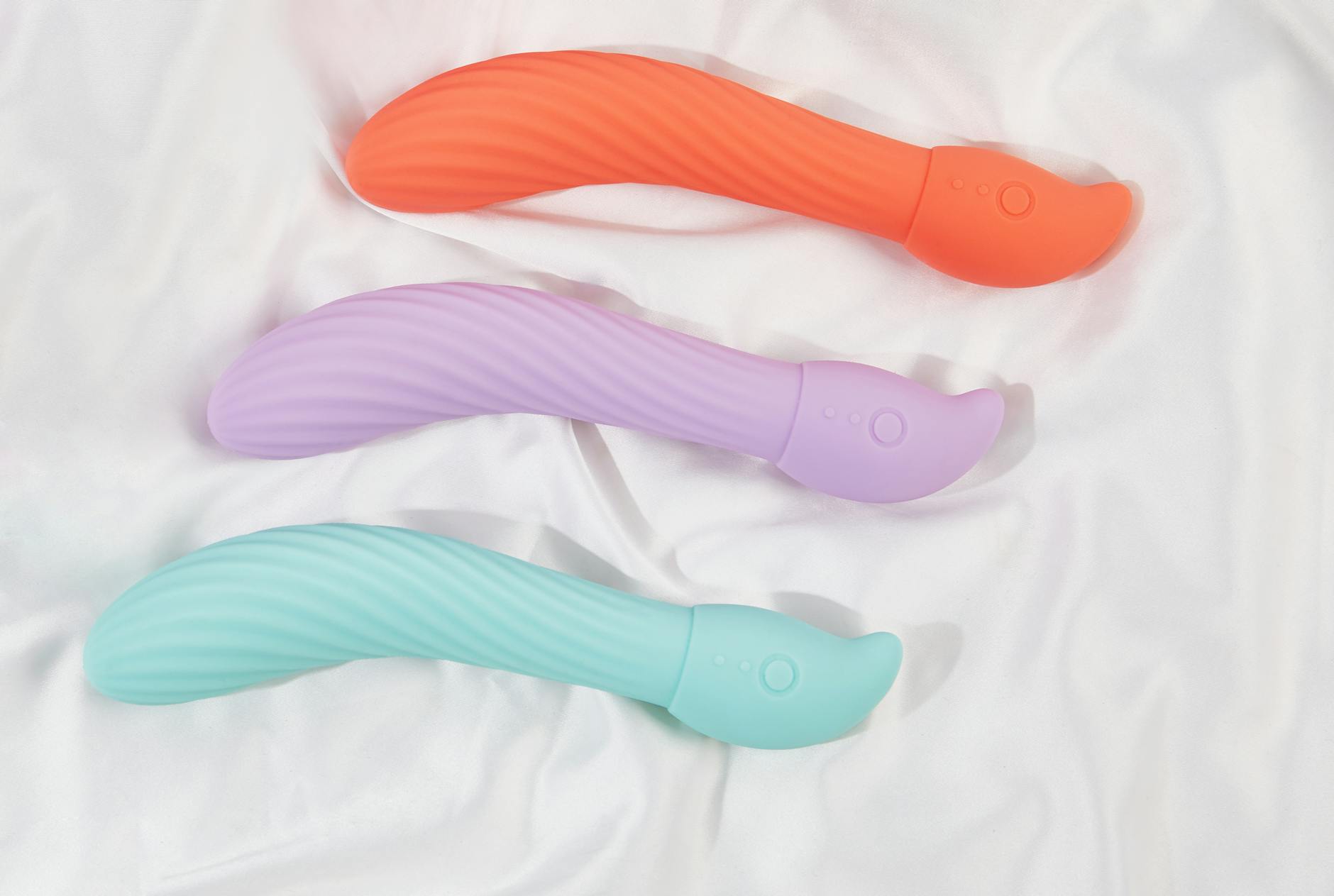
Many first-time users report that they were less nervous before they even turned it on, just because the design felt more approachable. The Hello Nancy lemon vibrator is quiet, smooth, and compact. It doesn't look like you're about to pilot a spacecraft. It looks like something designed for you.
The three things that actually predict success
I've worked with hundreds of clients through this transition, and I've noticed that success isn't about your age, your relationship status, or your past. It's about three specific things.
First: You're choosing this for you, not for someone else. If a partner suggested it and you're only trying it to make them happy, your nervous system will stay activated and nothing will feel good. Genuine desire to explore your own pleasure is the only reason that works.
Second: You have realistic expectations about what'll happen. Some people expect immediate earth-shattering orgasms. Some expect nothing and are braced for disappointment. The best first experience comes when you expect to learn something, maybe to feel something nice, and to spend some time getting curious about your own body. That's it.
Third: You give yourself time without pressure. You're not timing yourself. You're not performing for anyone. You're not checking a box. You're just exploring. Pressure is the enemy of pleasure, full stop.
How to actually start: the practical steps
Here's the concrete version. Do these in order.
Step one: Familiarize yourself with it without turning it on. Hold it. Feel the weight. See how it fits in your hand. Notice the texture. You're signaling to your nervous system that this is a safe object. Spend 2-3 minutes on this. It sounds small, but it genuinely matters.
Step two: Charge it fully before your first use. This isn't just about battery. A fully charged device performs better, feels more responsive, and gives you the best possible first impression. You want the experience to be as smooth as possible.
Step three: Choose the time carefully. Not when you're stressed about work or kids or anything else. Pick a time when you genuinely have privacy and at least 30 minutes with nothing after it. No partner coming home. No plans. The spaciousness matters.
Step four: Start with external exploration only. You don't have to use it directly on your clitoris if you're nervous. Try it on your inner thighs. Your labia. The area around the clitoris. You're gathering data about how different touch feels. This takes the pressure off your first experience.
Step five: Use the lowest setting first. Every lemon vibrator has multiple patterns and intensity levels. Start at the gentlest. You can always increase. You can never un-feel a shock of too-high intensity.
Step six: If nothing happens, that's normal. Your first time might feel like nothing. Or it might feel like something small. Or it might be incredible. All of those are okay. You're learning. This is data collection.
What to do if it feels weird or wrong
Nervousness and wrongness are different things. Nervousness is butterflies. Wrongness is pain or genuine disgust.
If you feel nervous, that's the edge. You can sit with that for a bit. Nervous feelings often shift once you actually start exploring.
If you feel physical pain, stop immediately. Your body is telling you something. Come back to it another time with a different approach, or talk to someone you trust about what happened.
If you feel genuine disgust at the idea or the sensation, that's useful information too. It doesn't mean you're broken. It means this particular tool isn't for you right now, and that's completely fine.
The role of lubrication in lowering anxiety
One concrete thing that reduces nervousness dramatically: using a water-based lubricant. It's not because you need it (though you might). It's because lube transforms the sensation from clinical to sensual. It changes the whole frame of the experience from "am I doing this right" to "this actually feels good."
A small amount of lube also means you don't have to worry about discomfort. You can focus entirely on what you're feeling instead of half your attention being on whether anything hurts. That shift in attention is what lets pleasure actually build.
Using it with a partner, if that's your plan
If you're planning to eventually use a lemon vibrator with a partner, separate those experiences at first. Try it alone first. Learn how it feels. Figure out what you like. Then bring a partner into it only when you're already comfortable. That order matters.
When you do bring a partner in, the key conversation isn't about the toy. It's about what you want. "I like this setting" or "I like it when you hold it like this" or "I want to use this by myself right now" are all conversations about your pleasure, not about the device. That's the actual intimacy.
If anxiety comes up during the experience
Sometimes you'll start and suddenly feel awkward or self-conscious or like you're doing something wrong. That's incredibly common. Here's what actually helps:
Stop for a minute. Breathe. Notice what you're thinking. Often you'll realize you're narrating the experience to yourself ("this is weird," "am I doing this right," "what if someone walks in") instead of just feeling it. When you notice that, you can gently redirect. Come back to sensation. What does your body actually feel like right now? Not the story about it. The actual physical sensation.
Then restart. Slowly. No rush.
The thing nobody tells you
Most first-time users feel a sense of power after they try a lemon vibrator. Not because the device is magic. Because they did something they were nervous about and they survived it. They learned something about themselves. They gave themselves permission to explore their own body without apology. That shift is what changes things long-term, not the toy itself.
Your nervous system is smart. It's been protecting you. But right now, if you genuinely want to explore, you can tell your nervous system that this is safe. You can move slowly. You can stop anytime. And you deserve to know what your body is actually capable of when you give yourself permission.
That's it. That's the whole thing.
Frequently asked questions
Will a lemon vibrator feel the same every time?
No. How you feel changes based on your cycle, your stress level, what you've eaten, how hydrated you are, what you're thinking about, and a hundred other small things. One day it might feel amazing. Another day it might feel neutral. That's your body being a living system, not the toy failing you. Consistency comes from exploring it across different times and moods.
Can I hurt myself with a lemon vibrator?
Unlikely if you start slowly and listen to your body. Pain is information. If something hurts, stop. The most common discomfort comes from going too fast, too intense, or for too long without a break. All of those are under your control. You set the pace.
What if I try it and don't like it?
Then you've gathered valuable information. Some people prefer different stimulation. Some prefer hands or partners. Some prefer the feeling of not using toys at all. That's all legitimate. Not liking a lemon vibrator doesn't mean anything is wrong with you or your sexuality. It just means this particular tool isn't the right fit, and you're allowed to be selective about what touches your body.
Should I tell my partner I'm using a vibrator?
That depends on your relationship and your comfort level. If you're partnered and you want to, telling them can be vulnerable and connective. If you're partnered and you don't want to, that's your body and your choice. If you're single, there's no one to tell. What matters is that you're doing this for yourself, not performing for an imagined audience.
How do I actually talk to my partner about this if I'm nervous?
Honestly and simply. "I want to explore solo pleasure" or "I'm curious about vibrators" or "I'd like to try this and I'd feel comfortable if you knew about it." You don't have to sell them on the idea. You just need to be honest. If your partner responds with shame or control, that's separate information about your relationship that might be worth exploring with someone trained in relationship dynamics.
What if nothing happens the first time?
You've still won. You tried something new. Your body might need more time. Some people need multiple sessions before sensation builds. Some people need their brain to fully accept the tool before pleasure shows up. Patience is the secret ingredient that almost nobody talks about.