Here's what most people get wrong
You're lying awake at 2 a.m. thinking about how to bring this up. You've drafted seventeen different opening lines in your head. You're pretty sure your partner will take it the wrong way. You're convinced they'll think you're unhappy, bored, or worse.
Stop. That narrative is doing all the work for you, and it's making this harder than it actually is.
Introducing a lemon vibrator to your partner doesn't have to be a production. It doesn't require a TED talk, a mood-lit dinner, or three weeks of psychological preparation. What it does require is honesty, timing, and a frame that makes sense for your specific relationship.
The real reason you're nervous
Most people think the awkwardness comes from talking about pleasure. It doesn't. The awkwardness comes from fear that the conversation will land as criticism. "I want to use a toy" can get heard as "what you're doing isn't working" or "you're not enough."
That's a real risk only if you frame it that way. And most of us do, accidentally, because we've internalized the lie that toys are a substitute for partners rather than an addition to partnership.
The fix is simple: lead with what you want, not what's missing.
Before you say anything: pick your moment
Timing isn't destiny, but it matters. Avoid bringing this up during sex, right after sex, or when either of you is stressed, tired, or defensive about something else.
The best moment is calm, private, and low-stakes. You're making breakfast. You're on a walk. You're in the car on the way somewhere. Something normal where there's no performance pressure, no clothes off, and an easy way to pause if someone needs space.
Also skip the drinks-and-flirting opener. This isn't a seduction. It's a conversation. Sobriety matters.
The four-sentence framework that actually works
I've walked hundreds of couples through this talk. Here's the structure that lands best:
Sentence 1: Anchor it in pleasure, not lack. "I've been thinking about something that might feel really good for me, and I want to run it by you."
Sentence 2: Be specific without shame. "I want to try a clitoral vibrator. Something like a lemon vibrator that uses suction instead of just vibration."
Sentence 3: Give context. "I've read that they work differently on the body than traditional toys, and I'm curious what that feels like."
Sentence 4: Make it collaborative. "I'd love to try it with you, or alone if you'd rather. Either way, I wanted to ask first."
This frame does four things at once. It centers your curiosity (not your complaint), explains what you actually want (not vague "we should spice things up" energy), provides a reason that has nothing to do with your partner's performance, and gives them agency in how this unfolds.
What to do if they freeze
Some partners will light up. Others will go very quiet. That's normal. They might need time to process, and that's okay.
Don't fill the silence. Let them sit with it for a minute. Then add only: "What comes up for you?" and actually listen.
You might hear nervousness ("Will it hurt?"), inadequacy ("So I'm not enough"), curiosity ("What does suction feel like?"), or logistics ("Where would we even use that?"). None of these mean no. They mean they need information.
If they say something like "I'm not sure how I feel about that," that's not rejection. That's honesty. Respond with: "That's fair. We don't have to decide anything today. What would help you feel clearer?"
The most common pushback, and how to answer it
"Why do you need that? Aren't I enough?"
This is the fear talking. Here's what I tell people to say:
"You absolutely are. This isn't about you being enough. It's about me being curious about a different sensation. Like, you might love pasta, and that doesn't mean pizza is a referendum on pasta. They're just different. I want to explore what this feels like, and I want to do it with you because you matter to me."
That's not dismissive. It's clear. And it separates the two things that don't actually have anything to do with each other.
If they're on board: what happens next
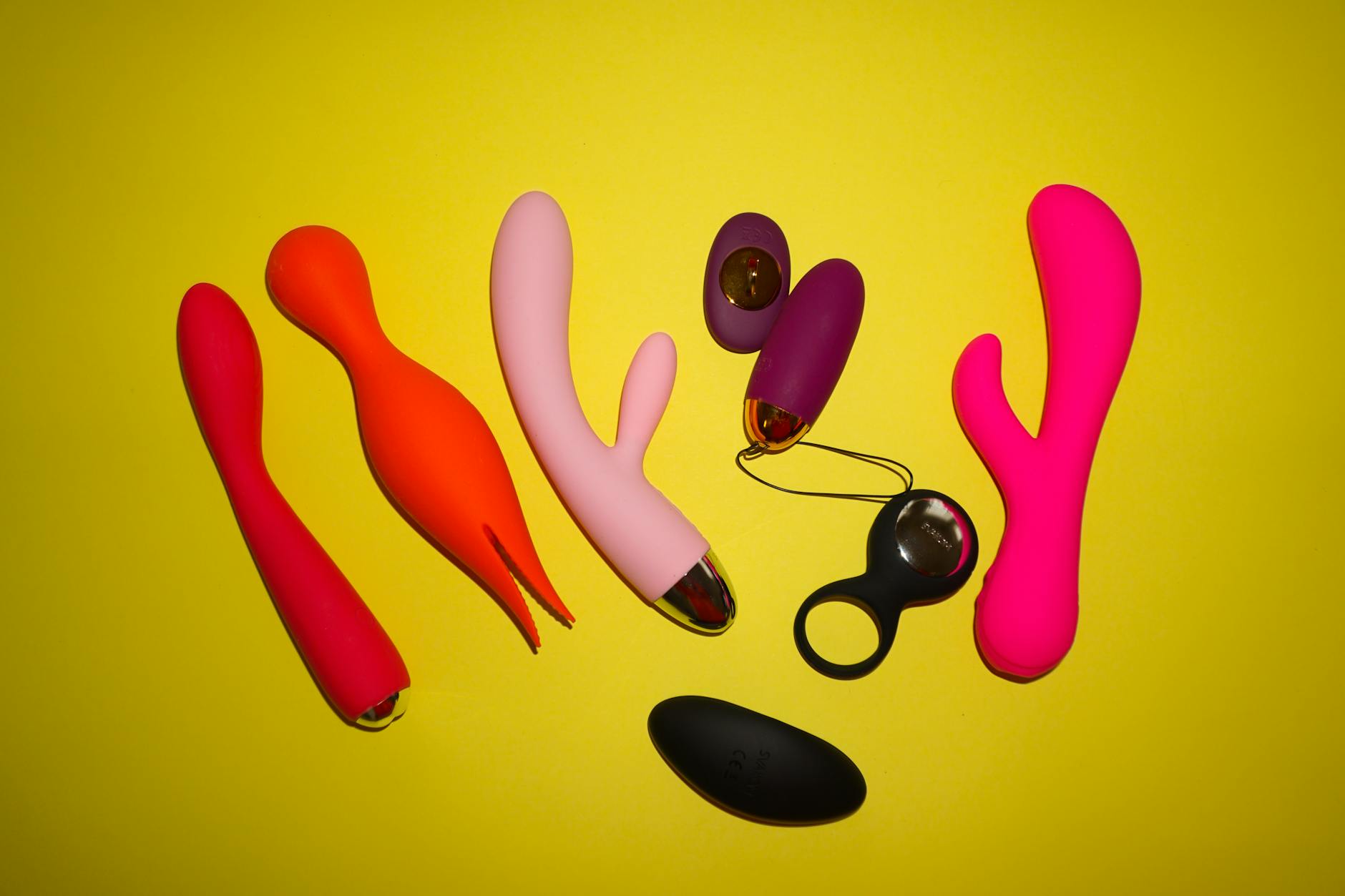
Don't jump straight to using it. Let them see it first. No mystery, no theatrical reveal. Just show them what a lemon vibrator actually looks like, how it works, what the settings do.
A lot of people have weird ideas about what vibrators look like because they've never actually seen one. Once they see something like the Lem, designed with care and simplicity, the energy shifts.
Then talk about how you might use it. Alone first, maybe. Together, maybe. During partnered sex, maybe. There's no single right answer. Some couples love the integration. Some prefer separateness. What matters is that you both know what you're consenting to.
If they need more time
Respect that. Seriously. Pushing for buy-in when someone's uncertain is how you create the exact resentment you were trying to avoid.
Give them a week or two. If they bring it up again, great. If they don't, you have a choice: let it go, or revisit it once more with new information. But don't turn this into a thing where you're waiting for their approval to have pleasure. That's not the goal.
The goal is partnership. Sometimes that means patience. Sometimes it means moving forward independently. Both are okay.
What to avoid
Don't say "I read this will help me come faster" or frame it as a problem to solve. The language matters. You're exploring sensation, not fixing dysfunction.
Don't compare your partner to anyone else or any other partner. Don't make it seem like something someone else suggested. Don't imply there's a timeline or that you're losing patience.
Don't minimize how they feel. If they say they're insecure about this, don't tell them not to be. Say "That makes sense. Let's talk about it."
Why lemon vibrators specifically make this easier
Honestly? The design helps. Lemon vibrators like the Lem are small, approachable, and don't look clinical. There's something about the form factor that feels less intimidating than traditional wand vibrators. When your partner sees that you're talking about something scaled, thoughtful, and designed with care, not a massive industrial device, the whole conversation shifts.
It's easier to say yes to something that looks intentional.
The thing that actually matters
This conversation is a test of something bigger: can you ask for what you want without shame? Can your partner hear a request as addition instead of subtraction? Can you both sit with mild discomfort in service of deeper honesty?
Those questions matter way more than whether you end up using a toy. And if you can navigate this conversation with care, you've just built a template for every other vulnerable thing you'll need to ask for down the line.
Start small. Be clear. Listen. Then decide together.
Frequently asked questions
What if my partner says no?
Respect that. You have options: use it alone, table it for later, or sit with the boundary they've set. But don't treat it as rejection of you. It's a response to one specific thing. If the relationship feels good otherwise, that boundary is workable.
Should I buy the vibrator before or after the conversation?
After, always. Bringing one to the conversation feels like you've already decided and you're just informing them. This is a conversation, not an announcement. Let them be part of choosing if it happens.
How explicit should I get about what I want it for?
Be straightforward without being crude. "I want to feel different sensations on my clitoris" is clear and adult. You don't need to choreograph every touch.
What if they want to use it immediately and I'm not ready?
Slowdown is allowed. You can want something and also need time to feel comfortable doing it. Say that. "I'm glad you're into this. I just want to ease into it. How about we just explore it together without pressure this weekend?"
Can I introduce a toy without talking about it first?
Technically yes, practically no. Surprising your partner with a vibrator is how you land the conversation you were trying to avoid. Skip the surprise. The conversation is the thing that builds trust.
Should we research together or should I bring options?
Bring one option, not a list. A list feels like homework. One clear choice (like a lemon clitoral vibrator) is easier to say yes to. If they want something different, they'll tell you.
One more thing
Your partner probably wants you to feel good. They probably care about your pleasure. They might just need permission to think about this differently than they have before. This conversation is you giving them that permission, and asking them to want this with you.
That's not awkward. That's intimacy.
Ready to have the conversation? Head to our contact page if you need support navigating relationship dynamics or want to talk through your specific situation.
Also worth reading: How to Use a Lemon Vibrator During Sex With a Partner covers what comes after the conversation lands. And if communication feels hard in general, Lemon Vibrators for Couples digs into how toys can actually deepen connection rather than complicate it.