Here's the thing about makeup sex that nobody actually explains
It feels electric because it's not about sex. It's about being close again after distance. The bodies get loud, but what's really happening is relief. After a fight, your nervous system is still in threat mode. Physical intimacy, when it's chosen and felt, signals safety. That's the real chemistry.
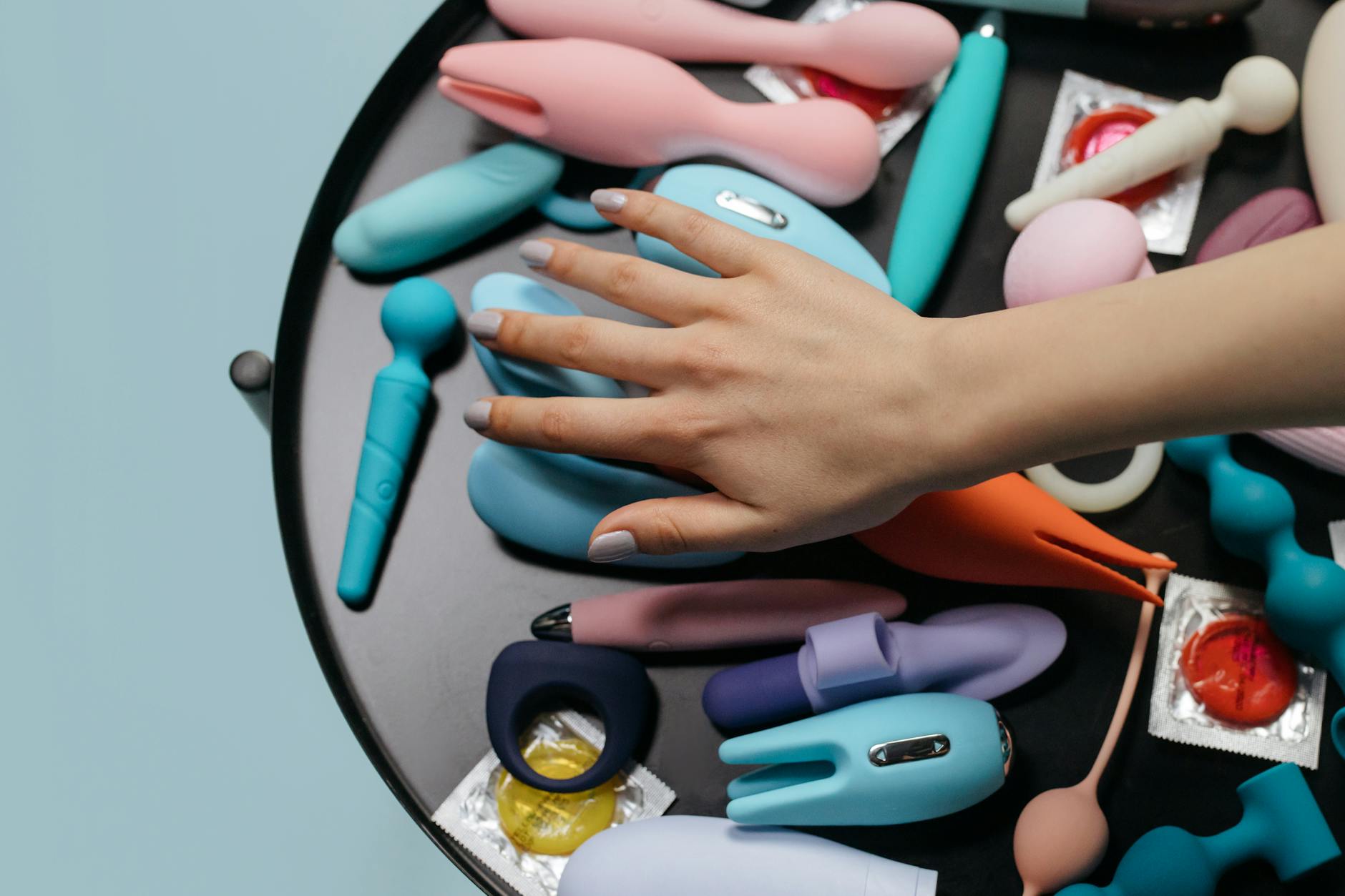
But here's where most couples get stuck: they jump straight to passion without rebuilding the trust that passion needs. A lemon clitoral vibrator can actually help with that transition. Not because vibrators fix fights (they don't), but because they create structure and permission in a moment when both people might feel awkward or unsure.
Why intimacy breaks down after conflict (and what actually helps)
When couples fight, especially fights that last hours or span days, something specific happens. You stop touching casually. The hugs get shorter. Eye contact disappears. Your nervous systems are wired to protect, not connect. By the time you're ready to move past it, your bodies have literally learned to keep distance.
Reconnecting through pleasure is different from reconnecting through conversation alone. Talking matters. It matters a lot. But the body needs a different kind of signal. Physical closeness tells your nervous system: we're safe together again. We haven't abandoned each other.
That's where a tool like a lemon vibrator comes in. It's not a replacement for those hard conversations. It's a translator. It gives you both something concrete to focus on instead of the loaded emotional weight still hanging in the room.
What lemon vibrators actually do for couples post-conflict
Four specific things:
They lower the pressure. When tension is high, the expectation to "perform" sexually makes everything worse. A vibrator is a tool that does part of the work. That shifts the dynamic from "Can you get me there?" (loaded, performance-based) to "We're exploring this together" (collaborative, process-based). The pressure releases. Pleasure follows.
They give structure to something scary. After a fight, being naked and vulnerable with the person you just fought with is actually terrifying. Your amygdala is on alert. A lemon sucker like the clitoral vibrator gives you a framework. Start here. Move slow. Check in. That structure makes vulnerability feel safe again.
They allow separate pleasure without separation. This one matters. You can experience your own pleasure while your partner watches, touches you elsewhere, or is having their own experience. That simultaneous individual pleasure, witnessed together, is intimacy rebuilt on a completely new foundation. It's not "performing" for each other. It's being present for each other.
They rebuild the emotional risk-taking that conflict damages. Fighting damages trust in small ways. You start wondering: Is this person still attracted to me? Do they still want me? Do they still care? Choosing to be vulnerable and pleasured together answers those questions without words.
How to actually introduce this after a fight (the conversation first)
Don't lead with the vibrator. Lead with the connection.
After you've talked, after the air has cleared enough that resentment isn't the dominant feeling, bring it up directly. "I know things were rough. I miss feeling close to you. I'm thinking maybe we could explore something together, like a lemon vibrator. No pressure on either of us to do anything specific. Just something that feels less loaded than starting from scratch."
That frame does several things. It names what you're actually trying to do (reconnect). It removes performance. It gives consent room to breathe. And it signals that you're thinking about both people's pleasure, not just your own.
If they say no, that's information. Don't push. The conversation itself matters more than the tool. If they say yes, or "maybe," you're moving forward.
The practical setup that actually works
Start in a private space where you both feel safe. Not the place where you fought. Literally a different room helps. Clothes off, or mostly off. Take time. This isn't a race toward orgasm. This is about sensation and presence.
One person can use the lemon vibrator on themselves while the other partner is present. Not performing, not narrating. Just being. The partner who isn't using the vibrator can touch the other person elsewhere. Shoulders, hair, back, thighs. The goal is multi-sensory reconnection. Your body learns that touch from this person is still safe. Still wanted.
Then swap. Or don't. The structure is less important than the presence. Some couples find that exploring together, with one person holding the vibrator while the other guides it, feels more intimate. That's valid too. The point is that you're choosing to be vulnerable together again.
If it feels awkward at first, that's normal. You're rewiring some recent trauma, even if it's small trauma. Awkwardness is part of the process. Stick with it for five minutes. Then check in.
What happens to the nervous system during this (the science that matters)
When you're experiencing pleasure while your partner is present and engaged, your vagus nerve gets activated in a specific way. This is the major nerve that runs from your brain down through your whole body. It's part of your parasympathetic nervous system, the one that says "we're safe, we can relax."
After conflict, your sympathetic nervous system is overactive. You're ready to fight or flee. That vigilance is exhausting. Pleasure, especially sustained pleasure in a safe environment, actually flips that switch. Your body starts producing oxytocin and dopamine instead of cortisol and adrenaline.
Your partner watches this happen to you. Their nervous system sees: this person I care about is safe and happy. That's deeply reassuring. Then they experience it too. By the end, you've both literally reset your stress response in each other's presence.
When lemon vibrators help more than just talking can
Some couples can fight, talk it through, and bounce back to normal intimacy instantly. Good for them. Most couples can't. Most couples carry some residual tension for days. The body remembers the conflict even after the mind has intellectually moved past it.
A lemon clitoral vibrator, used together, is a way of saying with your body what's hard to say with words: I still want you. I still choose you. We're still a team, even when we disagree.
That's not replacing communication. That's completing it. You need both. How to use lemon vibrators with a new partner when you're nervous about introducing toys covers some of those nerves, but the core dynamic is similar. Vulnerability requires trust, and trust requires presence.
The conversation to avoid
Don't frame this as a "solution" to the conflict itself. The vibrator isn't fixing the fight. The real work happened in your conversation. This is about pleasure and reconnection, not conflict resolution. If the actual problem isn't addressed, a vibrator just becomes avoidance wrapped in intimacy.
Also, don't surprise someone with a vibrator. That's pressure disguised as spontaneity. "I bought something for us" in the middle of reconciliation can feel pushy. Ask first. Get actual consent. The conversation is where the real trust rebuilds.
When to wait (and when not to)
If the fight revealed something serious (infidelity, a broken boundary that still needs processing, abuse of any kind), you're not ready for this yet. Pleasure in that context can feel like bypassing the real work. You might need a couples therapist first. That's not a failure. That's being honest about what you need.
But if the fight was about normal relationship friction, communication styles, or a misunderstanding that's now resolved, reconnecting through pleasure is a legitimate and actually effective tool. How lemon vibrators help when partners have mismatched libidos addresses a different dynamic, but the principle is similar. Pleasure can be a bridge, not a band-aid.
What happens after (it matters)
After you've reconnected, don't just roll over. Check in. "That felt good to be close again. How are you feeling?" Even one sentence. This tells your nervous system and your partner's: we're still here, still communicating, still present.
You might not use the lemon vibrator every time. Some couples do. Some use it occasionally, as a specific tool for moments when they need to reset. Both are normal. The vibrator is a choice, not a prescription.
The real shift is that you've now created a template for how to rebuild closeness after distance. That's powerful. That's what makes relationships resilient. Not that you never fight, but that you have ways to come back together that feel good.
Pleasure after conflict isn't avoiding the hard work. It's completing it.
FAQ: Lemon vibrators and couples reconnection
Q: What if my partner thinks using a vibrator means I'm not satisfied with them?
A: That's a misunderstanding worth addressing directly. A vibrator doesn't replace your partner. It's a tool, like a massage does. Some people find that external stimulation plus their partner's presence is more pleasurable than either alone. It's addition, not replacement. If your partner still has doubts after you explain, the real issue might be insecurity or communication. That's a conversation worth having, possibly with a therapist.
Q: Can we use a lemon vibrator if we haven't had sex in months because of the conflict?
A: Yes, actually. Not having sex for months after a fight is common. Your bodies have learned to stay apart. A vibrator, used solo first, can help you reconnect with your own pleasure. Then, when you're both ready, sharing that with your partner can feel less high-stakes than jumping straight to sex. Start with what feels safe. Build from there.
Q: How do I know if my partner actually wants this, or if they're just doing it to make me happy?
A: Ask. And listen for reluctance, not just words. "Does this feel good?" "Do you want to keep going?" "What would feel better?" Real consent is ongoing, not one-time. If your partner seems disconnected or quiet, check in. This should feel good for both people, or you stop.
Q: Is it weird to use a vibrator after being apart from my partner emotionally?
A: Not weird. Actually really common. Physical distance often follows emotional distance. Rebuilding physical pleasure together is a natural part of reconnection. The specifics don't matter as much as the willingness to be present and vulnerable together.
Q: What if I want to reconnect but my partner doesn't seem interested in intimacy at all?
A: That's a sign something deeper is still unresolved. A vibrator won't fix that. You might need to go back to the conversation. "I notice we're not close right now. What do you need?" Their lack of interest in any intimacy is information. Honor it. Push too hard and you risk another rupture.
Q: Can we use a lemon clitoral vibrator during sex after a fight, or does it have to be separate?
A: Either. Some couples find that adding a vibrator to sex after conflict feels more collaborative and less performative. Others prefer to keep it separate, as its own intimate moment. There's no rule. Do what feels right to both of you.
The real work is presence
A lemon vibrator is a beautiful tool. But the tool isn't the point. The point is choosing, after you've hurt each other, to be vulnerable and close again. That takes courage. It takes trust. It takes showing up even when it's awkward.
The vibrator just makes it easier to say yes to all of that. And sometimes, that's enough to turn conflict into connection.