
The thing nobody tells you about antidepressants
Antidepressants save lives. They also flatten pleasure. SSRIs, SNRIs, tricyclics—most common antidepressants come with a side effect that rarely gets discussed in the doctor's office: sexual numbness. Delayed orgasm, reduced sensation, lower desire. It's real, it's common, and it's not a sign you should stop taking your medication.
What isn't discussed as much: there are ways around it. Lemon vibrators and clitoral vibrators more broadly work differently than your fingers or a partner ever could. They bypass the sensation barrier that medication creates.
Why antidepressants flatten sensation in the first place
SSRIs work by keeping serotonin circulating in your brain longer. That's what lifts mood and quiets anxiety. But serotonin receptors live everywhere—not just in your brain. They're in your genitals too. When serotonin stays elevated, it actually dampens the neurotransmitters that trigger arousal and orgasm, particularly norepinephrine and dopamine.
The result: your body needs more stimulation to reach the same level of sensation. Your clitoris might feel less responsive. Orgasm might require significantly longer, or might not arrive at all. This isn't psychological. It's pharmacology.
About 40-60% of people on SSRIs experience some sexual side effect. Most don't mention it to their doctor because they assume it's permanent, or because they're embarrassed. It's neither.
How lemon clitoral vibrators work around this barrier
Lemon vibrators use suction and rhythmic pulsing, not just vibration. That matters enormously when sensation is muted. Here's why.
When you rely on manual stimulation or even standard vibration, you're depending on your nerve endings picking up the signal and sending it to your brain. If medication has dampened those signals, the sensation doesn't register as powerfully. You keep going harder, longer, and still feel frustrated.
Lemon suction toys like the Lem work differently. They use air-pulse technology to stimulate a broader area of nerve tissue at once, creating a pattern of pressure and release. This doesn't just tickle the surface—it engages deeper nerve clusters that can still respond even when surface sensation feels numb. It's why many people on antidepressants report that lemon vibrators feel like the first device that actually works for them.
The medication-device matchup: why suction beats standard vibration
Think of it this way. If your sensation is at 30% capacity due to medication, standard vibration asks your muted nerves to feel and respond. Suction asks them to respond to a different kind of stimulus—one that engages more nerve area with less reliance on acute sensitivity.
Lemon vibrators are built on this principle. The rhythmic suction pattern creates a wave of stimulation that compounds across multiple stimulations per second. Even with flattened sensation, your body recognizes and responds to that wave.
This also matters for timing. Medication-induced numbness often delays orgasm by 20-45 minutes or longer. When you're using a lemon clitoral vibrator, you're not fighting the medication's dampening effect—you're working with a tool designed to overcome it. Sessions that used to stretch toward an hour often compress to 15-20 minutes.
Three practical adjustments to make right now
1. Start with pattern, not intensity. The Lem and other lemon sexual toys have multiple patterns and speeds. Begin with a pattern—not just speed ramping. Patterns create rhythm your brain recognizes even when sensation feels distant. Speed comes second.
2. Budget more time for warmup, not just stimulation. Medication slows arousal, so the first 10 minutes matter. Don't jump straight to the toy. Touch yourself, think about what you want, let your brain catch up to your body. Then introduce the lemon vibrator when you're already halfway engaged.
3. Use water-based lubricant even if you think you don't need it. Some SSRIs increase dryness. A lube isn't just for comfort—it helps the suction seal properly and transmits sensation more effectively.
What happens when you layer medication changes with device exploration
If you're considering a medication adjustment with your doctor, the timing matters. Sometimes your doctor will suggest switching to a different SSRI that has fewer sexual side effects. Bupropion, for instance, often has fewer sexual side effects than paroxetine. But switching takes weeks to feel the benefit.
If you're exploring lemon vibrators while also exploring medication options with your doctor, you're working two angles at once. You might find that the device alone helps while you're between medications. Or you might discover that a combination—a slightly adjusted dose, a new SSRI, plus using a tool designed for pleasure—rebuilds sensation faster than medication change alone.
When to talk to your doctor about this
Don't suffer silently hoping it fixes itself. Sexual side effects from antidepressants are treatable. Your doctor has options. They can adjust your dose, switch your medication, add a sexual-side-effect blocking agent like bupropion (sometimes prescribed alongside SSRIs for this exact reason), or discuss timing strategies—like taking your medication at a different time of day or scheduling intimacy around your dose.
A good conversation sounds like: "I'm experiencing delayed orgasm and reduced sensation. I want to stay on this medication because it's helping my mood. What can we do?"
Then explore. Tools like lemon vibrators work alongside medical solutions, not instead of them.
The reality of rebuilding sensation
Does a lemon vibrator give you back 100% of pre-medication sensation? No. But that's not the point. The point is rebuilding enough sensation and pleasure that sex stops feeling like a chore or a disappointment. For most people on antidepressants using lemon clitoral vibrators, that happens within two to four weeks of regular exploration.
Your pleasure matters. Medication that saves your mental health deserves to coexist with devices and strategies that save your sexual life. They're not in conflict. They're partners.
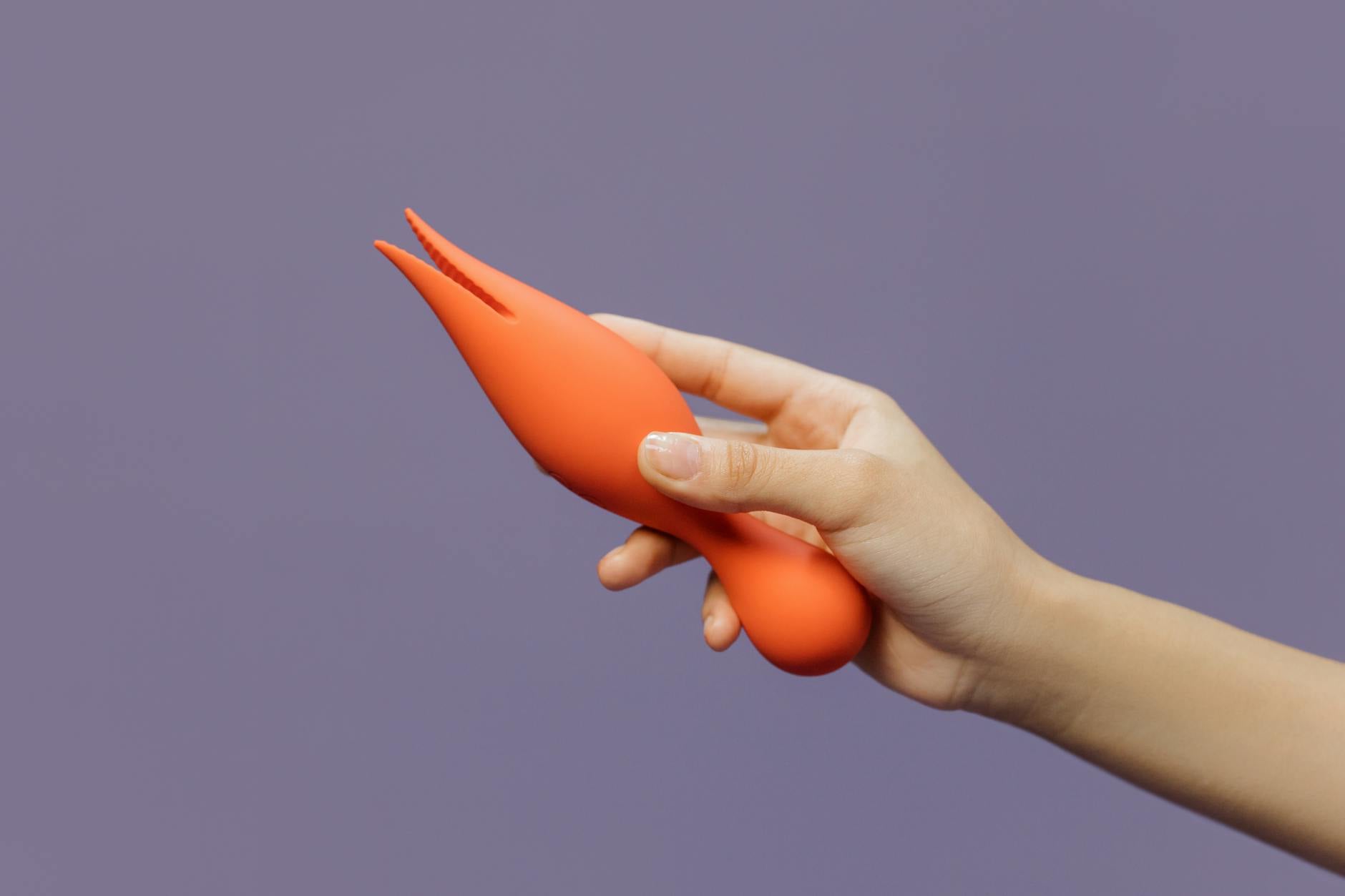
Photo by cottonbro studio on Pexels
FAQ: Lemon vibrators and antidepressant side effects
Can I use a lemon vibrator while taking SSRIs?
Absolutely. Lemon vibrators are designed specifically to work around reduced sensation—which is exactly what SSRIs cause. If anything, they're more useful when you're on medication. Start with lower patterns and increase gradually. If you're numb from medication, you won't hurt yourself by using a vibrator.
How long before a lemon clitoral vibrator helps with medication numbness?
Most people notice a difference within 2-4 weeks of using a lemon vibrator regularly (2-3 times per week). This isn't about the toy "training" your body. It's about your brain and body learning to recognize and respond to the suction pattern. The neural pathway relearning takes a couple weeks.
Do I need to tell my doctor I'm using a vibrator?
You don't have to, but if you're having a conversation about sexual side effects from medication, mentioning that you're exploring tools like lemon vibrators gives your doctor context. It also opens the door to discussing whether medication adjustments make sense for you. It's a straightforward, clinical conversation.
Will a lemon vibrator work if my medication has completely killed my desire?
This is different from numbness. If desire—the urge to have sex—has disappeared entirely, a vibrator alone probably won't restore it. That's worth discussing with your doctor because desire loss sometimes responds to medication adjustments, dose changes, or adding a secondary medication. A lemon vibrator helps with sensation and arousal; it doesn't create desire that isn't there. But used regularly, many people find that rebuilding sensation eventually rebuilds desire too.
Can I use lemon sexual toys if I'm on multiple medications?
If you're on SSRIs plus other medications that affect sensation (some blood pressure meds, some antihistamines), lemon vibrators still work—they just might require more exploration to find the right pattern and timing. Talk to your doctor about your full medication list, especially if you're experiencing sexual side effects from multiple drugs.
Is numbness from antidepressants permanent if I stay on the medication?
Not necessarily. Many people adjust within 6-12 months as their body habituates to the medication. Pairing that natural adjustment with regular use of a lemon clitoral vibrator speeds things along. If numbness persists after a year, that's the time to have a detailed conversation with your doctor about switching medications or adjusting your approach.
Moving forward
Antidepressants work. Your pleasure matters too. If medication has flattened your sensation, you're not broken, and it's not permanent. Tools like lemon vibrators, combined with honest conversations with your doctor, can rebuild pleasure without sacrificing the mental health support your medication provides. Want to explore how to choose the right tool for your needs? Get in touch—we're here to help.