Let's talk about what happens to your body after conflict
When tension or betrayal happens in a relationship, your body doesn't just feel it emotionally. Your nervous system goes into protection mode. Arousal becomes harder. Touch might feel unwelcome. Sex becomes transactional, if it happens at all. Many couples tell me they avoid intimacy entirely after a significant fight because the gap between "we're fighting" and "let's have sex" feels impossible to bridge.
Here's what I've learned from two decades of working with couples: rebuilding physical intimacy after conflict doesn't start with reconciliation conversations. It starts with reconnecting to your own pleasure.
Why your body shuts down after conflict
When trust is breached or you've both said cruel things, your parasympathetic nervous system (the one responsible for arousal) literally powers down. Your body is trying to protect you. It's not broken. It's working exactly as designed.
The problem is that trying to have sex while your nervous system is in defensive mode creates a frustrating loop. You feel pressure to "fix" things physically. Your body resists because it's not actually safe yet. Your partner feels rejected. Everyone feels worse.
The couples I've worked with who recover fastest don't push through this. They take it seriously. They rebuild sensation and pleasure individually first, then together.
Starting alone: lemon vibrators and reclaiming your body
This is the part that surprised most of my clients. Before you try to reconnect with your partner, you need to reconnect with yourself. Your body needs to remember what pleasure feels like on its own terms, without performance pressure or someone else's expectations.
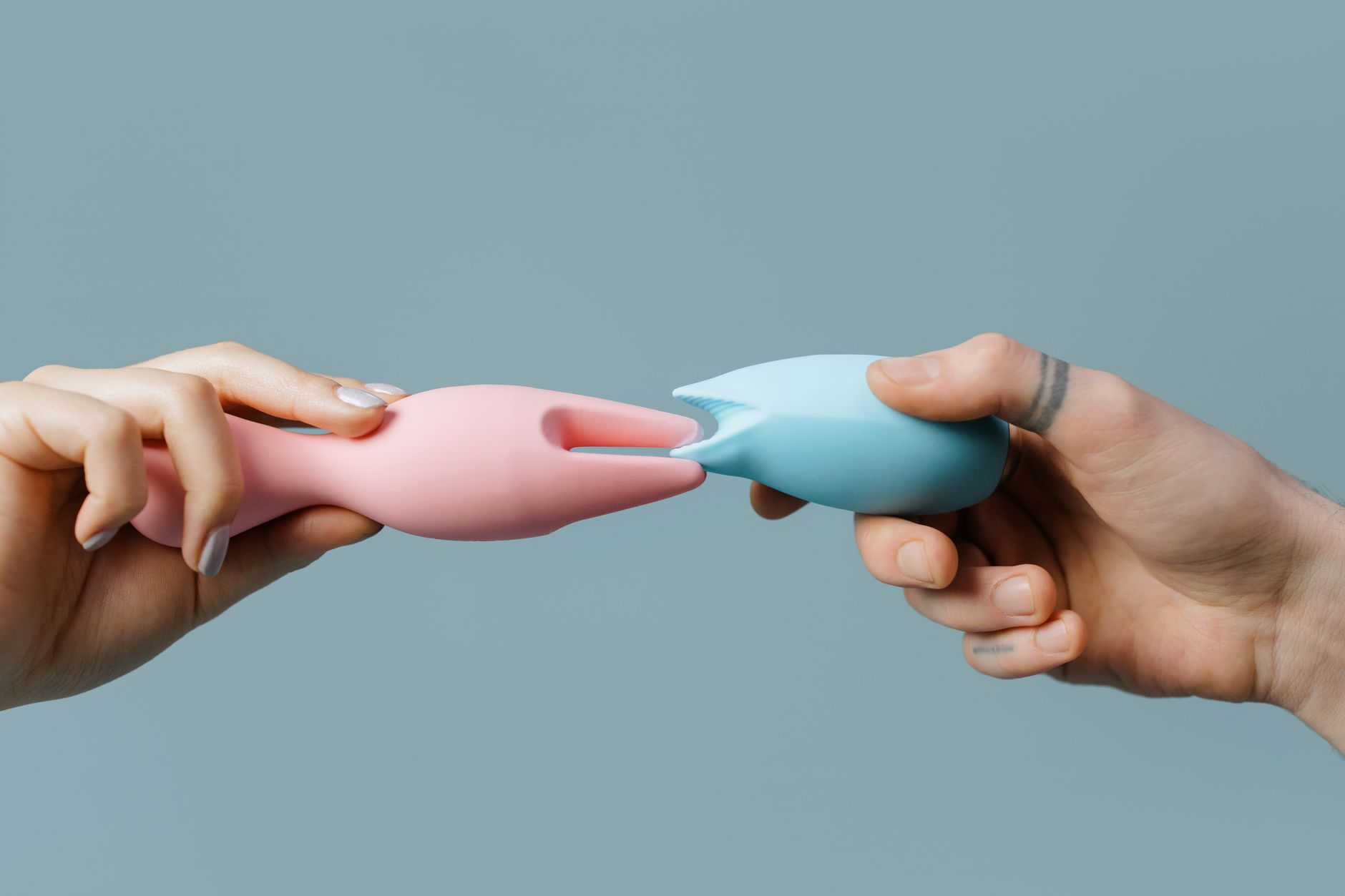
Lemon clitoral vibrators are surprisingly good at this because they work with your nervous system rather than against it. The suction pattern is gentler than traditional vibration. There's no aggressive intensity. You're not trying to rush to orgasm. You're just... feeling.
Start small. Maybe 10 minutes. No goal other than noticing sensation. What does the pattern feel like? Does one speed feel more comfortable than another? Can you breathe? Where in your body do you notice the pleasure?
This is not about having an orgasm. I say this seriously. If you come, great. If you don't, that's also fine. The point is to remind your nervous system that your body is a source of pleasure, not a source of conflict or shame.
The three-stage rebuild with your partner
Once you've spent a few days reconnecting to your own sensation, you can invite your partner back in. But do it slowly.
Stage One: Watching together. This is less intimate than you might think. You're using a lemon vibrator on yourself while your partner is present. Not inside you. Not with them directing. Just with them in the room, watching. This serves multiple purposes. It shows your partner that pleasure is still happening. It gives them permission to be turned on again without guilt. And it lets you stay in control of your own experience while they're there.
Stage Two: Using it together. After a few sessions of being watched, you might invite them to hold it, or to use it on you while you guide them. This is where touch comes back into the picture, but on your terms. You're not passively receiving. You're directing. You're in control of pace, intensity, and whether it stops.
Stage Three: Integration into sex. Once you're comfortable with a lemon vibrator in the room with both of you, it becomes a tool rather than a replacement. Some couples find that using lemon sexual toys together during sex helps them stay connected and present, especially when anxiety or distraction would otherwise pull them out of the experience.
What actually heals the intimacy gap
Here's what I tell couples: the vibrator isn't the healer. You are. The lemon vibrator is just a tool that helps your nervous system feel safe enough to open again.
The real repair happens in the conversations underneath. You're communicating about what you need. You're showing up without judgment. You're creating new experiences together that aren't tied to the conflict. Those conversations are where the trust actually rebuilds.
But they're much easier to have when your body isn't in panic mode. When you've already spent time reconnecting to pleasure. When sex doesn't feel like an obligation or a test.
The timeline is not linear
I want to be clear: some couples are ready for this in a few days. Others take weeks or months. Both are normal. The couples who rush back to sex to "prove" things are okay usually end up fighting again within a month. The ones who give themselves permission to rebuild slowly actually stay connected.
If you're both trying and nothing is shifting after a couple of months, that's a sign that couples therapy would help. Sometimes the conflict is deeper than what time and lemon adult toys can bridge alone. That's not a failure. That's wisdom.
Using lemon vibrators for reconnection looks different than using them solo
When you're using a lemon vibrator by yourself to rebuild intimacy after conflict, the goal is gentleness and self-compassion. When you're using it with your partner, the goal shifts slightly. You're creating new shared experience. You're both learning what the other person's body responds to.
Take your time. Communicate. Ask what feels good. Don't assume that because you know your own body, you know how to pleasure theirs. This is where how to use lemon vibrators with a partner becomes essential reading. The instructions matter less than the presence.
When to know you're healing
You're actually reconnected when sex stops feeling like a task. When you can laugh in bed again. When you're touching each other without an agenda. When you both want to be there, not because you're trying to fix something, but because you want to.
That shift usually happens around week three or four of consistent, intentional reconnection. Some couples feel it sooner. Some need longer. The timeframe matters less than the presence of that shift.
Intimacy after conflict isn't about erasing what happened. It's about building something new on top of the broken pieces.
FAQ: Rebuilding with lemon vibrators
Q: Is it normal to feel awkward using a lemon vibrator after a big fight? A: Completely normal. You're vulnerable. Your body doesn't fully trust yet. Start with yourself, alone, for at least a few sessions before inviting your partner in. There's no rush.
Q: What if using a lemon clitoral vibrator brings up shame or guilt? A: That's often a sign that there's some deeper work to do around pleasure and deserving. Shame after conflict is common because we internalize the fight as "I did something wrong, so I don't deserve pleasure." You do deserve it. Keep going slowly. If shame persists, talk to a therapist.
Q: Can we use lemon sexual toys during sex if we haven't fully reconnected yet? A: You can, but it often works better once you've spent time with it individually first. Using it together too early can feel like you're skipping the emotional work. Give yourself time.
Q: How long does reconnection usually take after infidelity or a serious betrayal? A: Much longer than after a regular fight. Usually months, not weeks. And often with professional help. If trust was broken significantly, a couples therapist who specializes in infidelity is worth the investment before you try to rebuild physically.
Q: What if my partner feels threatened by me using a lemon vibrator alone? A: That's worth a direct conversation. Using a vibrator isn't about them not being enough. It's about you reconnecting to your body. If your partner struggles with that concept, couples therapy can help reframe it.
Q: Can lemon vibrators actually help if we're on the verge of breaking up? A: They can help with intimacy, but they can't fix fundamental incompatibility or unwillingness to work on the relationship. If you're both committed to reconnecting, they're a useful tool. If one person has already checked out, no toy will fix that.