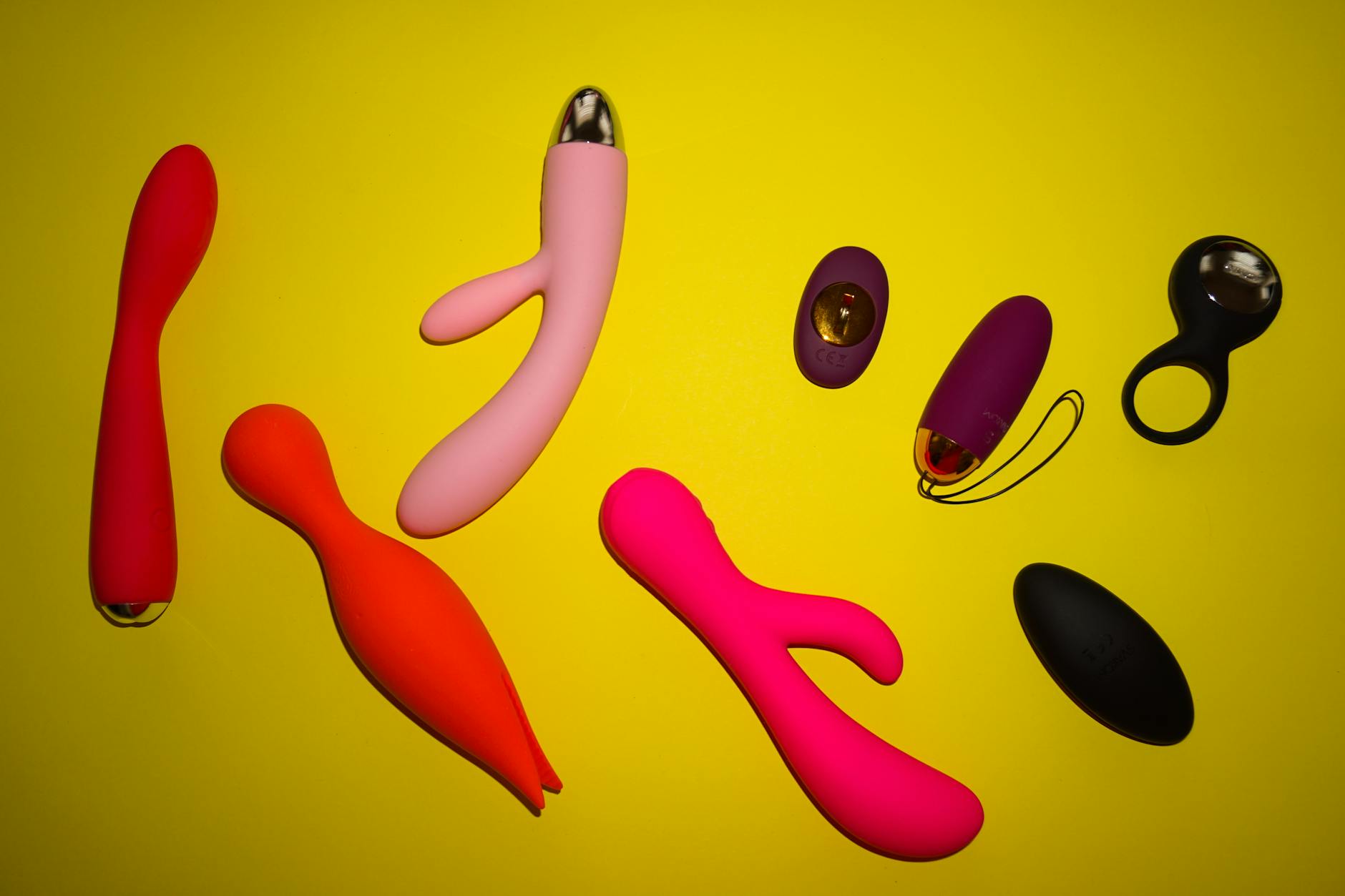
Let's start with the sensation itself
If you've only ever used a traditional vibrator, a lemon vibrator will feel shockingly different the first time you use it. Not better or worse. Just fundamentally different. The difference is the mechanism: vibration versus suction.
A traditional clitoral vibrator buzzes against your tissue. A lemon vibrator, like the Lem, creates a gentle pulsing suction that draws the clitoris into a small chamber and releases it rhythmically. One is friction-based. One is pressure-based. Your nerve endings respond to each stimulus in distinct ways.
How suction actually works on the body
Your clitoris has roughly 8,000 nerve endings, and they're organized in layers. The outermost layer responds to light touch and vibration. The deeper layers respond to pressure and suction.
When you use a traditional vibrator, you're activating those surface nerves through rapid side-to-side or up-and-down friction. When you use a suction toy like a lemon vibrator, you're creating gentle negative pressure that pulls tissue and stimulates the entire clitoral body, not just the external part you can see.
This matters because the internal clitoris is larger than most people think. The visible button is just the tip. The clitoral body extends internally, branching into arms that wrap around the vaginal opening. Suction engages more of that hidden structure.
What that means for how orgasm feels
Here's where it gets interesting. Because suction activates deeper nerve layers, many people report that orgasms from suction toys feel more "full body" compared to vibration. Vibration tends to produce sharper, more localized peaks. Suction often creates broader waves of sensation.
Neither is objectively better. But they're different enough that someone might prefer lemon vibrators for some sessions and reach for a traditional vibrator another day. The pleasure profile shifts.
Many of my clients also notice that suction-based orgasms take slightly longer to build but feel harder to interrupt once they're rolling. With vibration, you can feel the orgasm arrive quickly, but it's easier to lose if your mind wanders or your position shifts slightly.
Recovery time and sensitivity after orgasm
This is the practical advantage that converts most people. After an orgasm from a lemon vibrator, the clitoris is less likely to feel painfully oversensitive immediately after.
Traditional vibrators can leave the clitoral area feeling raw or too sensitive to touch for several minutes. This is because direct friction creates temporary inflammation. Suction doesn't produce the same micro-abrasion, even though it's equally intense.
This means you can achieve multiple orgasms more easily with a lemon vibrator. The recovery window shrinks from "five minutes of nothing" to "thirty seconds, then I'm ready for round two." That's not a small detail if pleasure and sensation are priorities.
Intensity levels and how they differ
With traditional vibrators, intensity is straightforward: faster vibration equals more intense sensation. Easier to understand, harder to fine-tune for sensitive tissue.
With a lemon vibrator, intensity depends on suction strength and pulse pattern. Lower settings feel more like a gentle massage. Higher settings create a stronger drawing sensation. But even the highest setting on a lemon vibrator doesn't feel "harsh" the way a high-speed traditional vibrator sometimes does.
This is why people with sensitive vulvas or anyone recovering from pelvic floor surgery often find lemon vibrators easier to use than traditional vibrators. The sensation is concentrated but not abrasive.
Battery life and durability
There's a mechanical difference here too. Lemon vibrators use air-pulse technology, not motor-driven vibration. Air pumps are generally more durable and use less battery to operate than high-speed motors.
In practice, this means a lemon vibrator often delivers 1.5 to 2 times the battery life of a comparable traditional vibrator. If you're traveling or just don't want to charge constantly, that's a real advantage.
The trade-off is that air-pulse toys need cleaning around the suction opening, while traditional vibrators are slightly simpler to wipe down. Both are easy to maintain, but suction toys require a quick rinse inside the chamber after use.
When to choose suction over vibration
I recommend lemon vibrators for anyone who:
- Has sensitive tissue and finds traditional vibrators uncomfortable or irritating
- Wants easier access to multiple orgasms without the refractory period
- Prefers sensation that feels more "internal" or whole-body
- Is recovering from pelvic floor tension or surgery
- Gets bored easily and wants a genuinely different sensation profile to rotate in
If you're someone who loves the sharp, focused buzz of a traditional vibrator and wants to stick with what you know, that's equally valid. Some people orgasm faster with vibration. Some find the simplicity more straightforward mentally.
When to choose vibration over suction
Traditional clitoral vibrators remain the better choice if you:
- Prefer a quick, intense, uncomplicated path to orgasm
- Have a partner with a vibrator they already enjoy and want consistency
- Need something more discreet (vibrators are smaller and quieter overall)
- Want the simplest learning curve for a first toy
- Are using a toy during partnered sex and need something your partner can easily position
Again, this isn't hierarchy. It's context and preference.
The price and value question
Lemon vibrators like the Lem are typically priced higher than entry-level traditional vibrators, usually in the $65 to $99 range depending on features. Basic traditional vibrators start around $25 to $40.
The gap exists because air-pulse technology is more complex to manufacture than simple motors. But here's the ROI: because of longer battery life, durability, and the fact that people tend to reach for a lemon vibrator more consistently (the sensation stays novel longer), many people find them more valuable long-term.
Think of it as the difference between a cheap hairdryer and a good one. The cheap one works, but you're replacing it every two years. The good one lasts a decade.
What happens if you use both
Honestly? That's the move. Rotating between suction and vibration toys keeps sensation fresh and prevents the desensitization that can come from using the same stimulus repeatedly.
Many of my clients do this intentionally. They'll use a lemon vibrator for a week, then switch to a traditional vibrator the next week. The variety keeps both toys feeling novel and helps them access different types of orgasm.
If budget is tight, start with whichever matches your body and current needs. If you tend toward sensitivity, a lemon vibrator first makes sense. If you want the most straightforward introduction to toys, a simple traditional vibrator is perfectly fine. You can always add to your collection later.
The bottom line on mechanism versus marketing
The reason I'm detailed about how these technologies actually differ is because marketing loves to claim that one is universally "better." It's not. They're different tools for different moments.
Your clitoris doesn't care about brand loyalty. It responds to what feels good right now. Some days that's suction. Some days it's vibration. Some days it's your hand. The goal is having options and knowing what each one does so you can choose intentionally instead of guessing.
Frequently asked questions
Do lemon vibrators work for people who've never had an orgasm?
Suction toys can absolutely help, but they're not a magic fix for anorgasmia. If you struggle to orgasm, the issue is usually nervous system regulation or pelvic floor tension, not the toy. A lemon vibrator might feel better than vibration, which helps remove one barrier. But you'll also need patience, relaxation, and possibly strategies for managing anxiety during sex. The toy is one piece of the puzzle.
Can you use a lemon vibrator with a partner inside you?
Yes, but it's trickier than a traditional vibrator because suction toys are wider and require more space. You can use one during partnered sex if you angle it and have good communication about pressure and comfort. Many couples find it works better during foreplay before penetration, then switch to something smaller during.
Do lemon vibrators work if you're taking antidepressants?
Antidepressants can dampen sensation overall, but suction toys sometimes bypass that better than vibration because they engage deeper nerve layers. That said, the blunting is usually a medication effect, not a toy effect. If sensation is an issue, talk to your doctor about timing or dosing. A lemon vibrator might help, but it's not a substitute for that conversation.
How do you clean a lemon vibrator versus a traditional one?
Both are waterproof and easy to clean. With a lemon vibrator, you'll want to rinse inside the suction chamber with warm water after use to prevent moisture buildup. With a traditional vibrator, you just wipe it down. Suction toys need slightly more attention, but we're talking 30 extra seconds.
Will my lemon vibrator stop working if I use it too much?
No. Air-pump technology is extremely durable. Regular use won't wear it out faster. What will damage it is leaving it wet for days or dropping it hard, same as any toy. With basic care, a lemon vibrator will outlast most traditional vibrators by years.
Can you use a lemon vibrator if you're nervous about trying toys?
Absolutely. In fact, many people find suction toys less intimidating than vibration because they feel more like a massage than a "sex toy" in the stereotypical sense. The sensation is gentler and less abrupt. If you're anxious about toys, starting with something that feels less intense can lower the barrier to trying at all.
What comes next
If you're curious about trying a lemon vibrator for the first time, start on the lowest setting and give yourself permission to spend 10 to 15 minutes exploring. Suction toys feel different, and your body needs a moment to adjust to the sensation. Don't expect fireworks immediately. Let it build.
And if you try it and realize vibration is still your thing? That's completely valid data about what your body needs. The point isn't to convince you that suction is objectively better. The point is knowing what you're choosing and why. That intentionality translates directly into more satisfying pleasure.
Have questions about which tool might be right for you, or want personalized guidance on getting started? Reach out, and we can talk through it.