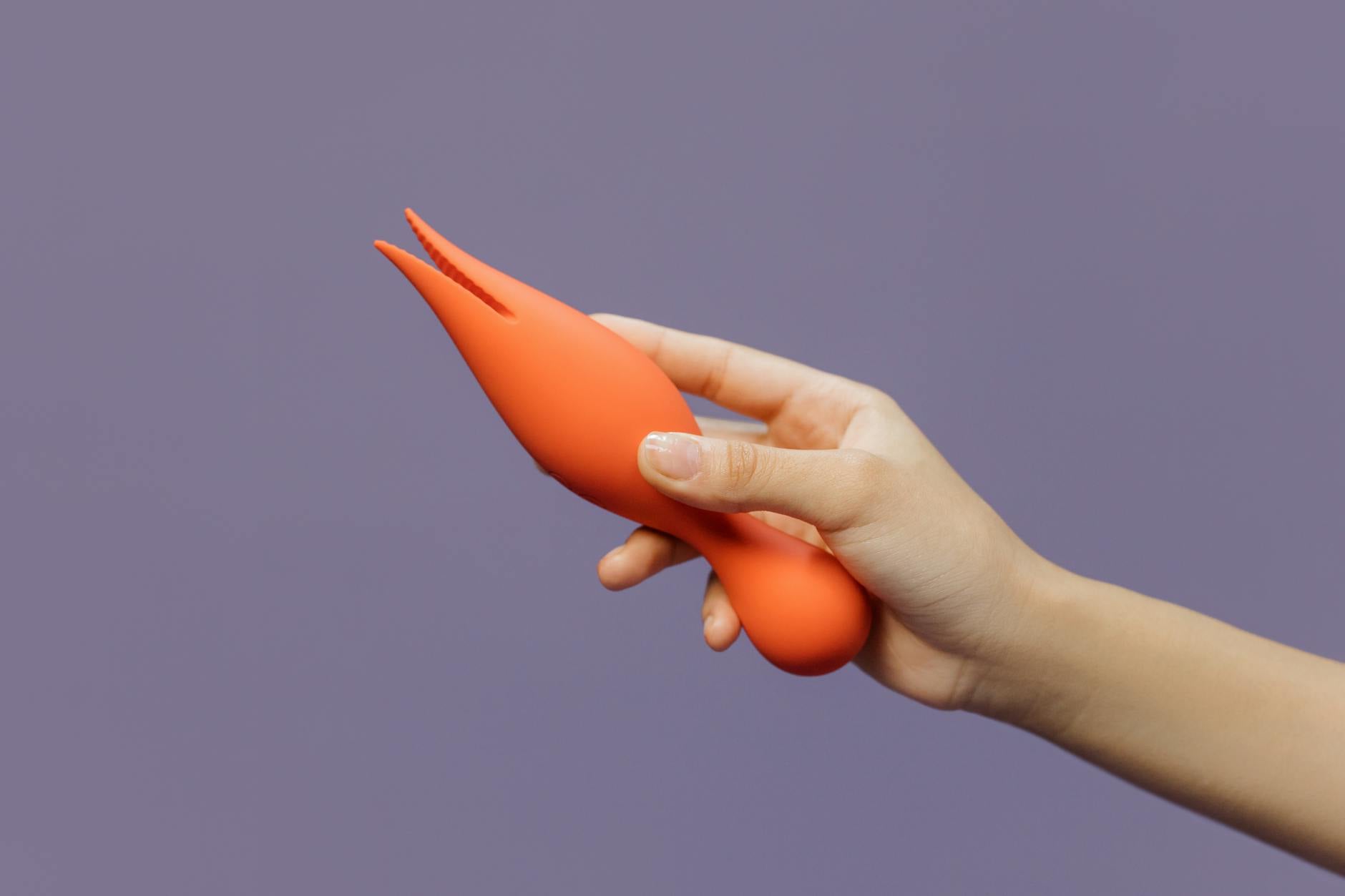
Does Switching Lemon Vibrators Midway Through Feel Different?
Here's the thing about switching lemon vibrators mid-session: yes, it feels different. Often wildly different. And it's not just in your head.
Your nervous system gets bored faster than you'd think. Once a sensation becomes predictable, your brain literally stops paying attention to it the same way. That's called sensory adaptation, and it's why that vibrator that felt incredible five minutes ago suddenly feels like you're holding a phone on silent. Switching to a different lemon clitoral vibrator mid-session resets that clock and can push you further than staying with one toy alone ever would.
I've watched this play out with countless couples and solo explorers. The question isn't whether switching works. It's how to time it, which tools work best together, and what your body's actually experiencing when you do.
The neuroscience behind sensory novelty
Your brain has a built-in novelty detector. When you introduce the same stimulus over and over, the neurons that fire in response to it get less active. This is adaptation, and it's actually a survival mechanism. Your nervous system learned a long time ago that if something isn't changing, it might not be important anymore.
But here's the exploit: if you switch the stimulus while arousal is still climbing, you bypass that adaptation entirely. The new sensation hits with almost the same intensity as the first touch, even though technically your body is already partway to climax. It's like resetting the pleasure counter while keeping all your progress.
This works because different patterns of stimulation activate different neural pathways. A lemon vibrator at pattern three feels different from pattern one, sure. But switching to an entirely different lemon sexual toy activates fresh sensory input. Your brain has to recalibrate.
Why switching actually intensifies things
There are three mechanisms at work when you swap vibrators mid-session.
First, the novelty resets your sensory attention. You're suddenly hyperaware again instead of coasting on autopilot.
Second, different vibrator shapes and suction intensities stimulate slightly different areas of the clitoris. When you switch from a broad suction-based lemon clitoral vibrator to a more pointed one, you're essentially targeting a different cluster of nerve endings. That's why the sensation can feel sharper, wider, or deeper depending on the switch.
Third, there's a psychological element. Variety signals abundance. On a primal level, your nervous system interprets multiple tools as more pleasure available, which can actually lower your baseline arousal threshold and make climax easier to reach.
When all three elements line up, switching mid-session doesn't just feel different. It often feels more intense.
The timing sweet spot
Not all timing is created equal. Switch too early and you might interrupt your rhythm right when arousal is building. Switch too late and you're already committed to a path that might not need resetting.
The magic window is usually around 60 to 75 percent of the way toward climax. You've built momentum, your body is responding predictably, and sensory adaptation has just started to kick in. That's when switching hits hardest.
How do you know where you are in that arc? Pay attention to your breathing, your pelvic floor engagement, and the quality of sensation. If the vibration that felt incredible two minutes ago is starting to feel like background noise, switch now. If you're still riding a wave of intensifying pleasure, let it build longer.
For partners, this requires communication. The best approach is to agree on a rough time window beforehand ("I'll switch around five minutes in") rather than trying to read your partner's cues in real time. Surprise switches can be fun too, but predictability actually serves you better for this particular hack.
Which lemon vibrators pair best for mid-session switching
Not every combination works equally. The best switches create contrast without jarring your nervous system right out of arousal.
If you're starting with a broad suction-based lemon vibrator like the Lem (which covers the whole vulva), switching to something more concentrated works beautifully. The intensity of suction changes, the surface area changes, everything recalibrates.
If you start with a more pinpointed vibrator, switching to something that covers wider surface area can feel like suddenly having more room to move and more nerve endings engaged.
The worst switches are ones where both vibrators feel almost identical. If you're switching from one lemon adult toy to another that has the same shape, same intensity range, and same pattern library, your nervous system barely registers the change. You get minimal benefit.
The best approach: pick two vibrators with noticeably different designs. This might mean a suction toy paired with a vibration-based one, or two different intensities of the same style. Contrast is what matters.
Managing the logistics without losing momentum
There's a practical element here that's easy to overlook. Switching vibrators mid-session requires having your second toy within reach, charged, and ready. Nothing kills momentum faster than fumbling for your backup toy in a drawer while arousal cools.
Set up first. Before you start, put both vibrators on the same surface. Keep them close. If you're with a partner, they can handle the handoff while you stay in position. If you're solo, having them within arm's reach matters more than you'd think.
Also consider your environment. If the switch requires changing positions dramatically or reaching somewhere awkward, it's going to break your focus. The smoother the transition, the better the payoff.
When switching might actually backfire
There are legitimate reasons not to switch mid-session, and knowing these matters.
If you're already close to climax and in a fragile state of arousal, a switch can interrupt the specific sequence of sensations your body needs to finish. Some people's nervous systems are sensitive to that kind of disruption. If that's you, finish first, rest, then experiment in a separate session.
If you're anxious or overthinking the experience, switching adds another variable to manage. Simplicity wins. Build your comfort level with one toy first, then layer in novelty later.
If you're with a partner and switching requires communication you haven't practiced, it can feel clunky. The first time should be planned, not spontaneous.
If your arousal is fragile or inconsistent to begin with, adding complexity isn't the answer. Focus on rhythm and depth first.
Sensation stacking and the diminishing returns trap
Here's something important: more switches don't equal more pleasure. In fact, there's a point of diminishing returns.
One switch mid-session can be incredibly effective. Two switches might amplify things further. Three switches in one session? You're probably working against yourself. Your nervous system can only recalibrate so many times before the novelty effect flattens.
Treat switching as a tool, not a requirement. Some sessions, you won't need it. Your body will climb the arc beautifully with one toy. Other sessions, that mid-point switch will be exactly what tips you over the edge.
The best lovers of their own pleasure learn to read their nervous system in real time and adjust accordingly. Sometimes that means switching. Sometimes it means staying put and letting sensation deepen.
How to talk about this with a partner
If you're exploring switching with someone else, the conversation matters more than the technique.
Frame it as something you want to try together, not as a fix for something missing. "I read that switching mid-session can feel really different. Want to experiment?" beats "I think we need to spice things up."
Agree on which toys beforehand. Decide roughly when the switch will happen. After, talk about what actually felt different. Did the switch help? Did it feel jarring? Would you time it differently next time?
This isn't complicated, but it does require the kind of simple, direct communication that a lot of couples skip. Taking 60 seconds to plan the handoff beforehand saves you from awkward fumbling in the moment.
The bigger picture: novelty and sustained pleasure
Switching mid-session is really just one application of a larger principle: your nervous system requires novelty to stay engaged. This applies to partnered sex, solo pleasure, frequency, positions, timing, everything.
Partners who've been together for decades and still have good sex usually aren't doing anything fancy. They're just varying something consistently. Different times of day, different positions, different moods, different pacing. That variation keeps the nervous system from fully habituating.
With tools, it's the same logic. If you only ever use one lemon clitoral vibrator, on one pattern, in one position, your nervous system will adapt. Switching toys mid-session is one way to introduce that novelty. But so is rotating which toy you use each time, or trying different patterns, or combining it with partnered touch.
The evidence is clear: constraint breeds habituation. Variety sustains pleasure. How you introduce that variety is up to you.
Frequently Asked Questions
Can you switch between pattern settings on the same lemon vibrator instead of switching toys entirely?
Yes, and it works better than you'd think. Switching from pattern one to pattern five on the same lemon vibrator will reset your sensory attention partially, though not as dramatically as switching to an entirely different toy. For many people, it's a gentler reset that keeps momentum going without the logistics of managing two devices. If you're solo and only have one toy, this is still worth experimenting with.
Does switching feel different for everyone or just some people?
Most people notice a shift when they switch toys mid-session, but the intensity of the difference varies. Some nervous systems are very sensitive to novelty and recalibration. Others are more gradual. Sensitivity to sensory adaptation isn't correlated with overall pleasure capacity or sexual response. It's just about how quickly your nervous system habituates to repeated input. If the first switch doesn't feel dramatic, try timing it differently next time or pairing toys with more obvious contrast.
Is it better to switch when you're with a partner or solo?
Both contexts work, but they require slightly different approaches. Solo, you have total control over timing and can focus entirely on sensation. With a partner, the switch becomes collaborative, which adds a psychological element of anticipation and shared intention. Neither is objectively better. Solo switching is easier to practice and perfect your technique. Partner switching builds communication and intimacy. Try both.
What if switching actually disrupts my arousal and makes it harder to climax?
That's a sign that your arousal is sensitive to interruption or that the switch is happening too late in your sequence. Experiment with switching earlier, when arousal is still building but not yet fragile. Or skip switching entirely and stick with one toy. Some bodies prefer deep consistency over novelty. That's not dysfunction. That's just your nervous system's preference. Honor it.
Can you switch between different intensity levels of the same toy design?
Yes, though the effect is subtler than switching between different shapes or suction patterns. If you have access to multiple versions of the same lemon adult toy at different intensities, switching from low to high mid-session will create some sensory recalibration. It's not as potent as switching toy designs, but it's a valid tool if that's what you have available.
How do you know if your vibrator switching technique is actually working?
Pay attention to whether the switch shifts the quality of sensation noticeably, whether arousal momentum continues or strengthens after the switch, and whether you find yourself reaching climax more easily when you switch versus when you don't. Keep it simple: does this feel better than not switching? Track your own experience across a few sessions and decide based on your actual data, not what you think should happen. Your nervous system will tell you the truth if you listen.
The pleasure principle
Switching lemon vibrators mid-session works because it exploits how your nervous system actually functions, not because it's some advanced technique. Your brain adapts to repeated input. Novelty resets that adaptation. Different toys create different stimulation patterns. Combine those facts and you have a straightforward way to amplify sensation.
You don't need expensive equipment or complicated choreography. You just need two tools with enough contrast to matter, a sense of timing, and permission to experiment. Some sessions you'll switch. Some you won't. Both are right.