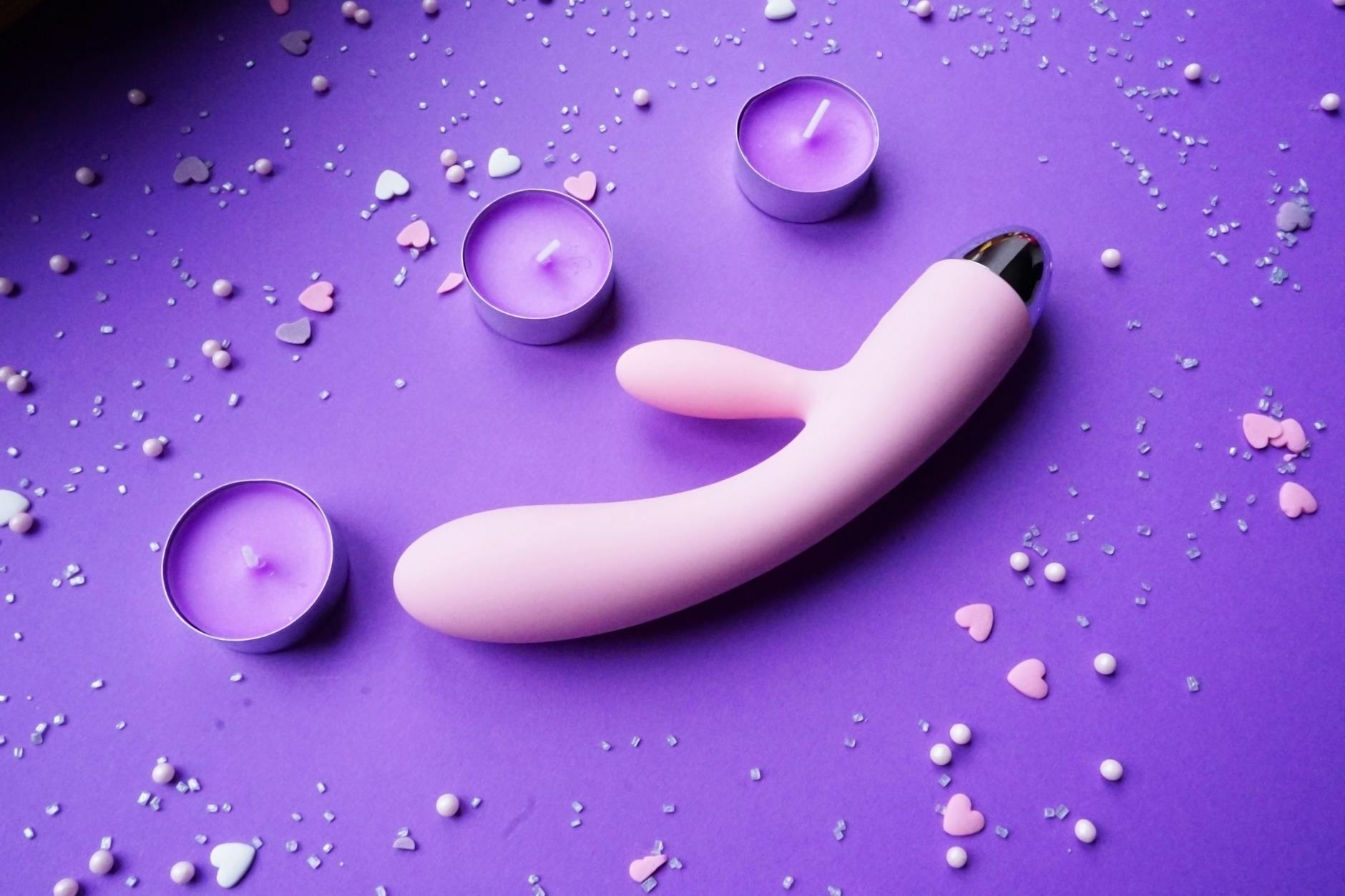
Let's talk about the orgasm you're not having
Anorgasmia sounds clinical, but what it really means is straightforward: you can't reach orgasm, or it takes so long that sex stops being pleasurable and starts feeling like a task. That's not uncommon. Studies suggest somewhere between 10 and 40 percent of people with vulvas experience persistent difficulty orgasming. The range is wide because so many people never talk about it, even to partners or doctors.
Here's what's actually frustrating about anorgasmia: it's rarely a single problem. It's usually a tangle of physical, neurological, and emotional threads that all need attention. And here's the good news: lemon vibrators and other clitoral vibrators are one of the most effective tools for untangling that knot. Not because they're magic. Because they solve a specific mechanical problem most fingers and other toys cannot.
Why your body might not be cooperating
Orgasm requires three things in concert: blood flow to the right place, consistent rhythmic stimulation, and the neurological "permission" that only happens when your brain feels safe and focused. When one of these breaks down, the whole chain stops.
The physical side is most common. Clitoral tissue needs sustained, predictable pressure to build the tension that releases in orgasm. Fingers get tired. Partners worry about repetitive strain on their hands. Vibrators lose rhythm mid-session. And most traditional vibrators use a vibrating motion, which jiggles the tissue but doesn't create the kind of sustained pulling sensation the clitoris actually responds to best.
Then there's the neurological piece. Some people's nervous systems require longer warm-up time. Others were taught very young that pleasure wasn't safe or wasn't for them, and that message lives in the body as a silent block. Medication (particularly SSRIs for anxiety or depression), hormonal shifts, past trauma, or simple performance anxiety can all interrupt the neural pathway that signals orgasm to happen.
The emotional layer matters just as much. If you've spent months or years trying to come and failing, sex becomes a test you're failing instead of a pleasure you're pursuing. Your brain anticipates disappointment, which makes your nervous system tense up, which makes orgasm even less likely. It's a feedback loop.
Lemon clitoral vibrators address the mechanical problem directly, which often breaks that feedback loop and lets the neurological and emotional pieces settle down.
How lemon vibrators are different from other toys
Most vibrators vibrate. The Lem, like other lemon-shaped clitoral vibrators, uses suction instead. This matters for anorgasmia specifically.
Vibrational stimulation is fast and broad. It's great for some people, but if your nervous system needs sustained pressure to build arousal, vibration can actually be too scattered. The sensation never accumulates. It's like trying to fill a cup by splashing water on it instead of pouring.
Suction creates a gentle pulling sensation that mimics the way the clitoris naturally responds to touch and arousal. It's continuous and directed, which means the stimulation actually builds. Your tissue gets more engorged, blood flow increases, and the sensation intensifies over time instead of staying flat. For people with anorgasmia, this is the difference between feeling something and feeling a chain reaction.
The other advantage: suction is less aggressive on sensitive tissue. If you've been trying to orgasm for a long time, your clitoris might be a bit raw or defensive. Suction feels like pressure without friction, which means you can build arousal without the physical irritation that makes your body want to stop.
The patience piece (and why it's not what you think)
Let's separate two different things that sound the same but aren't. One is "taking longer to orgasm because of how your body is wired," which is just biology. The other is "losing focus because you're scared it won't happen," which is anxiety.
Lemon vibrators can help with the first by taking the physical work off your hands and letting you focus entirely on sensation. They can help with the second by giving you something that feels so good you stop worrying about the outcome.
But here's the part that matters: if you're using any vibrator to "finally" come and prove something works, you're making the problem harder. The moment sex becomes about success, your nervous system gets defensive. What helps is shifting to "I'm going to feel this for 20 minutes and see what happens" instead of "I need to come by the end of this."
That mindset shift is the invisible piece that makes lemon vibrators work. The toy is half the solution. Your permission to stop chasing the orgasm is the other half.
A practical starting point
If anorgasmia is your pattern, here's how to use a lemon clitoral vibrator without falling back into the anxiety trap.
Start alone, without any goal except comfort. Spend five to ten minutes just exploring how different pressures and patterns feel. You're not trying to come. You're learning what sensations your body actually wants, not what you think it should want.
Once you find a sensation that feels good (not necessarily one that feels intense, just one that feels pleasant), stay with it. Don't change the pattern. Don't search for something "better." Consistent pressure builds arousal. Constant switching resets it.
Give yourself at least 20 minutes. Anorgasmia often means your nervous system needs longer to feel safe and begin building arousal. If you stop after five or ten minutes because "nothing's happening," you've interrupted the process right when it was starting.
If you're using a lemon vibrator with a partner, the conversation beforehand matters. Tell them: "I'm going to use this because I want to focus entirely on sensation, not because there's anything wrong with you." Then let them know if you want them present, watching, or in another room. Anorgasmia gets worse when you feel watched or pressured. It gets better when you feel truly supported.
When it's not just mechanical
If you've tried a lemon clitoral vibrator consistently for several weeks and there's still no movement toward orgasm, something else is probably layered underneath. That doesn't mean the vibrator failed. It means you might need another tool alongside it.
Talk to a therapist who specializes in sexual function, not just general therapy. There's a real clinical difference. A sex-positive therapist can help you untangle the emotional blocks that a toy alone can't reach. Cognitive behavioral therapy for sexual dysfunction actually works. So does somatic therapy, which works specifically with how trauma and anxiety live in the body.
If you're on medication, ask your doctor. Some SSRIs genuinely do make orgasm harder. Switching medications or adjusting dosage sometimes helps. Some people add a second medication to counteract that side effect. These are conversations worth having.
And if anorgasmia appeared suddenly alongside other symptoms like low energy, mood changes, or pain, see a gynecologist. Sometimes it's hormonal. Sometimes it's thyroid function. Sometimes it's simpler than you think.
Lemon vibrators work best when they're part of a bigger picture that includes your safety, your mindset, and your body's actual needs.
FAQ
How long does it typically take to have an orgasm with a lemon vibrator if you've had anorgasmia?
There's no standard timeline because anorgasmia has different causes. Some people find success in two to three weeks of regular use. Others need two to three months before anything shifts. The key is consistency, not frequency. Using a lemon clitoral vibrator for 20 minutes every few days is more effective than marathon sessions. Your nervous system needs to learn that arousal is safe and possible. That learning happens through steady repetition, not intensity.
Can anorgasmia be psychological instead of physical?
Yes, and often it's both. If you've internalized the message that your pleasure isn't important or isn't safe, your body will protect you by preventing orgasm. Trauma, past negative sexual experiences, performance anxiety, and relationship disconnection all live in the nervous system as physical blocks. A lemon vibrator can help by removing the mechanical frustration, which sometimes lets the psychological piece start healing. But if the psychological block is strong, you'll probably need therapy alongside the toy.
Will using a lemon vibrator make it harder to orgasm with a partner later?
No. This is a common fear, but it's not how bodies work. Learning what sensations you respond to through solo exploration actually makes partnered sex better, not worse. You have information now. You know what you need. That's power, not dependence.
What if a lemon vibrator doesn't work for my anorgasmia?
Then you're dealing with something that needs a different approach. Hormonal imbalances, medication side effects, unprocessed trauma, relationship issues, or neurological differences might all require different solutions. A sex therapist or specialized gynecologist can help figure out what's actually blocking you. The vibrator isn't the end of the conversation. It's often the beginning of one.
Is there a "best" lemon vibrator for anorgasmia specifically?
The Lem is the most well-researched lemon-shaped clitoral vibrator and has a strong track record with people who struggle to orgasm because its suction intensity is adjustable. You can start low and build up as your nervous system feels safer. That gradual approach matters more than the specific toy. What matters is that whatever toy you pick uses suction or sustained pressure, not just vibration, and that you give yourself permission to take weeks finding your rhythm with it.
Can anorgasmia get better without any toy at all?
Yes, but it's much harder. Most people with primary anorgasmia (never had an orgasm) or secondary anorgasmia (lost the ability) benefit from a tool that removes the guesswork and physical effort. That might eventually lead to learning what sensation works, and then you might be able to recreate it without a toy. But the toy is usually the fastest way to break the pattern and rebuild the neural pathway.
What actually changes
Anorgasmia is one of the most fixable sexual health issues, which is good news that very few people know. A lemon clitoral vibrator isn't a cure-all. It's a tool that removes one major barrier, and sometimes removing that barrier is enough to let everything else fall into place.
Your body wants to work. Orgasm is a natural function. If it's not happening, something is interrupting the process. A lemon vibrator addresses the mechanical interruption. Your therapist, your doctor, or your own nervous system might need to address the rest.
You deserve to know what your pleasure feels like. That's not selfish. That's the foundation of every other kind of intimacy.